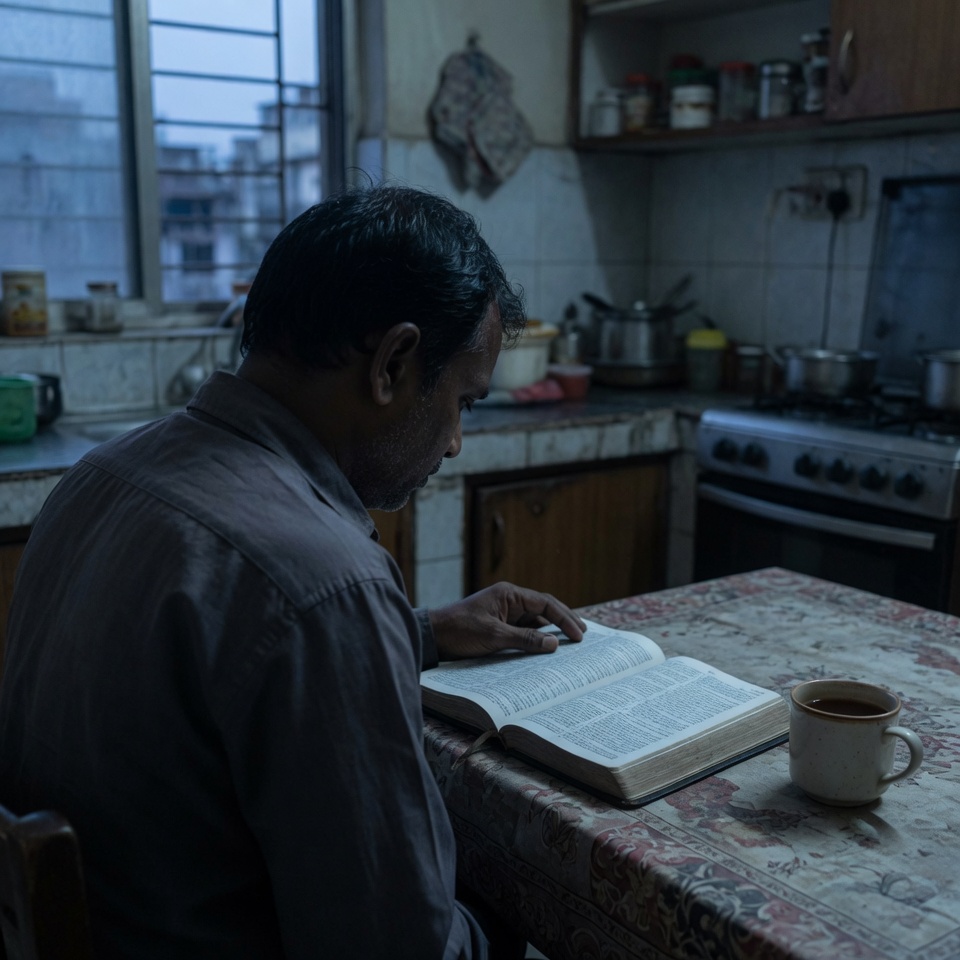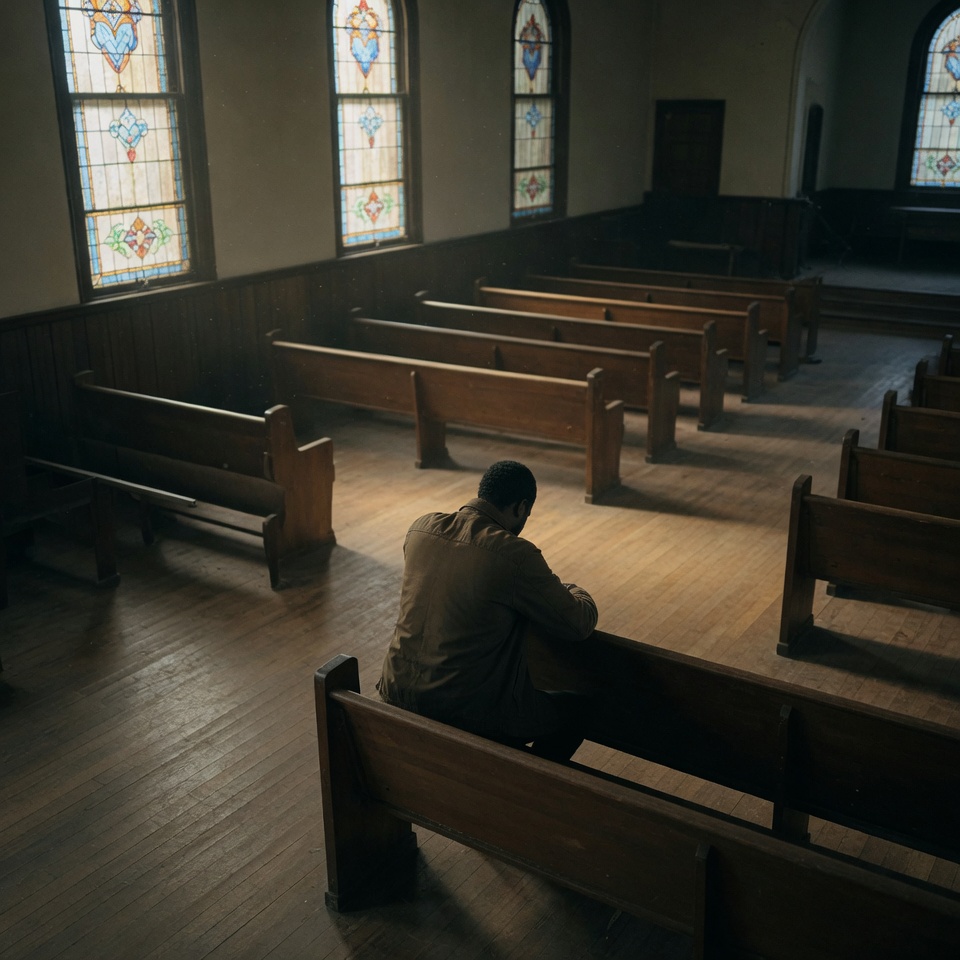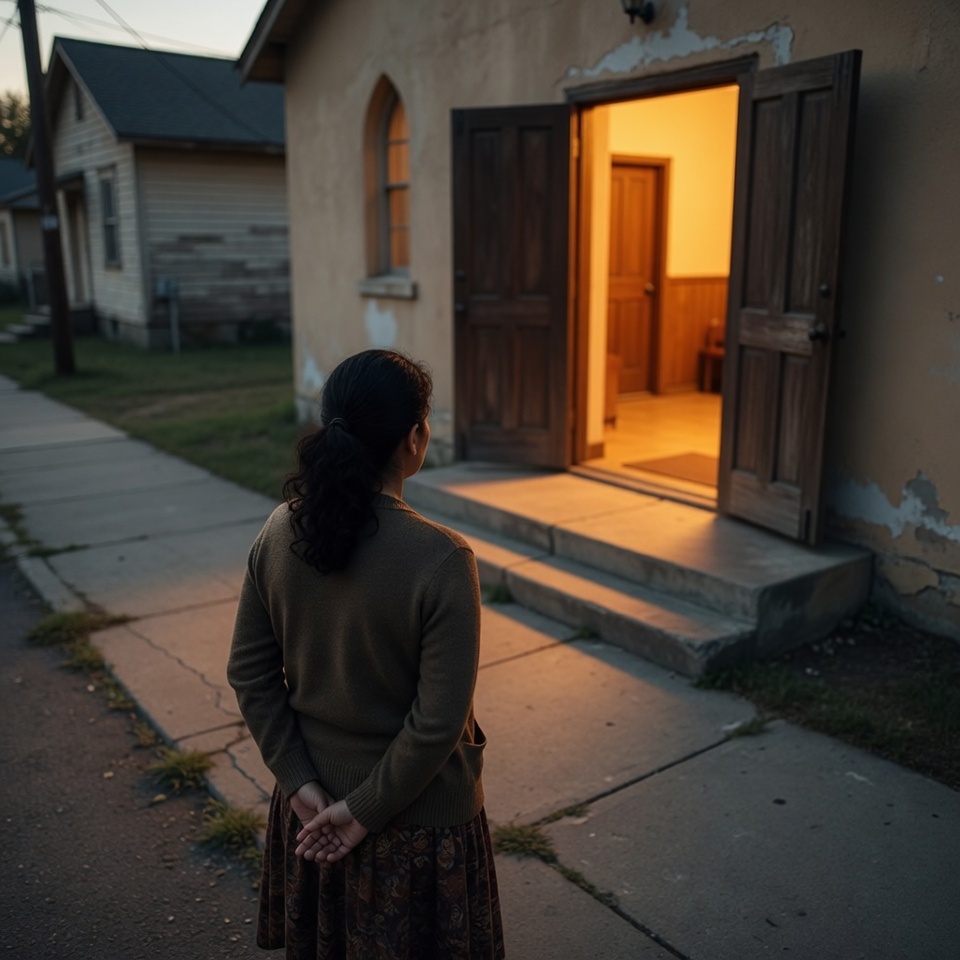
The question feels too vulnerable to ask out loud — because if the answer is no, you don't know what you do with that. So you carry it privately. You keep your distance from God. You stay in the back of the room. You listen to the promises and let them land everywhere except on yourself.
Shame is very good at this. It takes the one thing that would actually help — turning back toward God — and makes it feel like the one thing you no longer have the right to do. It tells you that you used up your allowance. That God's patience has a floor, and you found it. That the welcome mat was pulled back before you got there.
Romans 8:38-39 says nothing can separate you from the love of God — not death, not life, not things present, not things to come. Paul wrote that list for people who believed they might be the exception. He made the list exhaustive on purpose. What you did is on that list. What you're afraid you are is on that list. None of it separates you from what God established before any of it happened.
Romans 5:8 says God demonstrates His love for us in this: while we were still sinners, Christ died for us. Not after cleanup. Not after the apology landed right. While we were still in it. The cross was not a transaction that required you to be worthy first — it was God moving toward people who were not worthy, which is all of us, which includes you.
Grace is here for the part of this that is still sitting in the gap — between what you believe about God and what you believe about yourself. Not to rush you past the question. To stay with it honestly, point toward the character of a God who ran toward the returning son before the apology was finished, and offer to pray with you if you want — when your own words won't come.