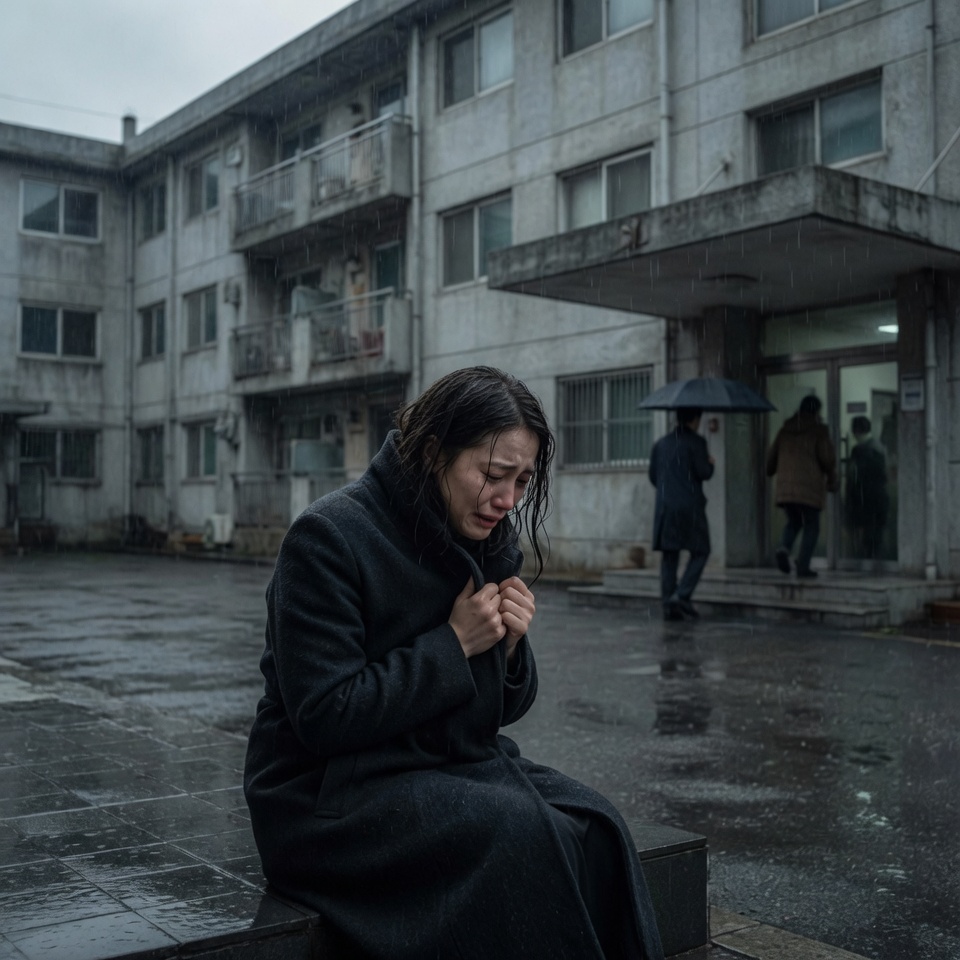
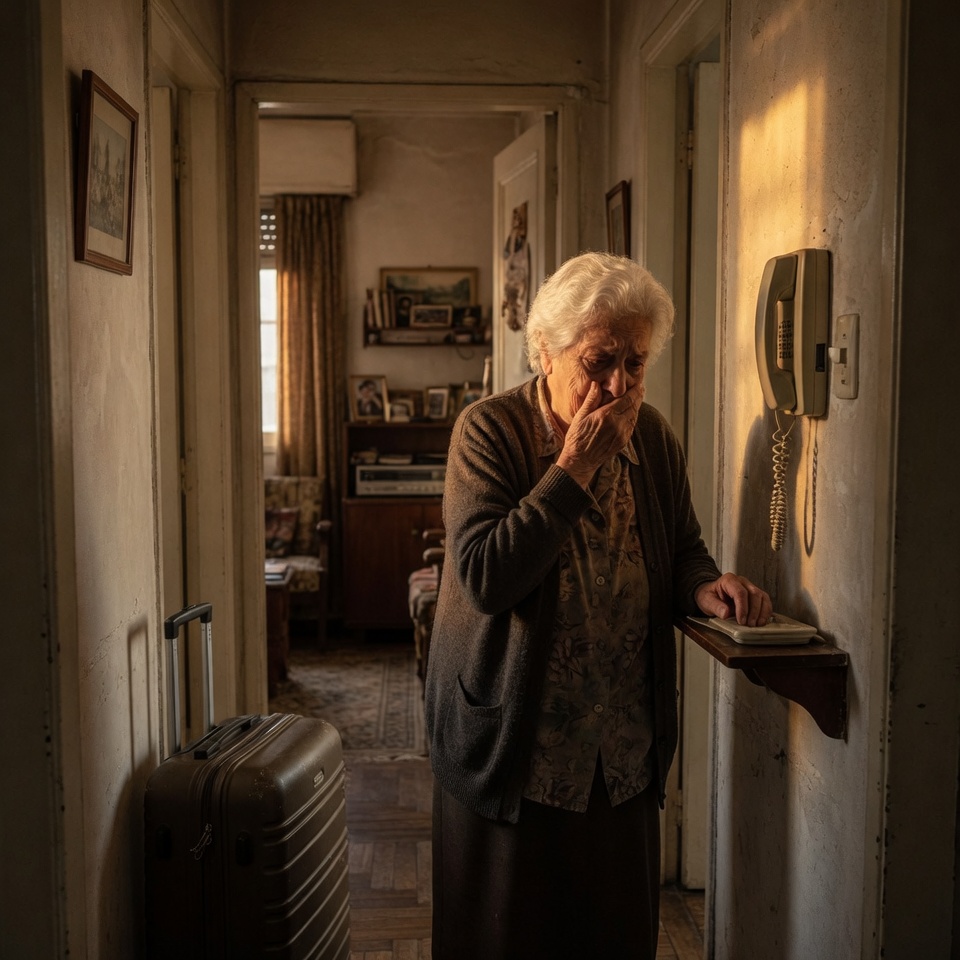
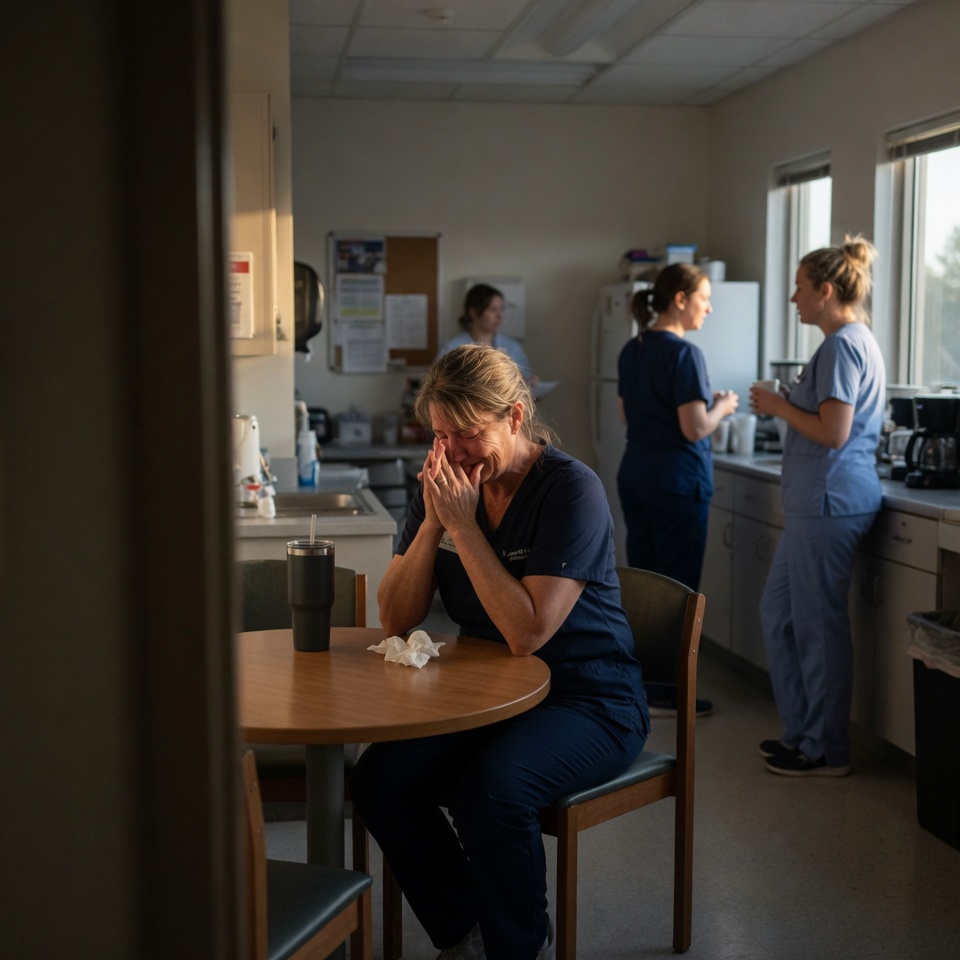
No casserole. No card. No ritual. No one who knew what to say — because most people didn’t know there was anything to say. The loss was real, even if the world never gave it a name.
When the World Doesn’t Give You Permission to Grieve
Disenfranchised grief is grief the world does not fully recognize — loss that happens without a funeral, without social acknowledgment, without the rituals that help people mourn. The loss was real. The love was real. The grief is real. What is missing is not the validity of the grief, but the world’s willingness to receive it. That absence is its own wound, layered on top of the loss itself.
There was no funeral. No one brought food. No one sent a card. The people around you may not have known there was a loss, or may not have understood why it counted, or may have said something that made it clear they thought you should be fine by now.
Disenfranchised grief is one of the loneliest griefs there is — not because the loss is smaller, but because it is unwitnessed. You are carrying something real in a world that has not made room for it. And the absence of that room makes the grief harder to move through, because grief needs to be seen to begin to heal.
Whatever the loss was — the relationship the world didn’t recognize, the pregnancy that ended before anyone knew, the person who died in a way that carried stigma, the future that was taken before it began — Grace receives it. Without conditions. Without requiring you to justify why it hurts this much.
Grace is here to listen.
You Know This Feeling
The Things That Come With This Grief.
Nobody sent a card. Nobody brought food. The world moved on as if nothing had happened.
You couldn’t tell anyone why you were falling apart. The loss wasn’t something you could explain.
Someone said “at least” or “it wasn’t meant to be” or something else that made the loss smaller instead of larger.
You went back to work the next day. You went through the motions. Nobody knew.
You wonder if you’re allowed to still be grieving this. It’s been months, or years, and it still catches you.
The relationship wasn’t one the world recognized — and so the grief wasn’t either.
The loss carried stigma. You couldn’t grieve openly without exposing something you weren’t ready to expose.
You didn’t get to say goodbye. There was no ritual. There was nothing to mark that something real had ended.
You feel guilty for grieving something the world says shouldn’t have been that significant. But it was.
You have never said out loud what you lost. You are not sure there are words for it.
You are grieving something that the people closest to you didn’t know existed. The loneliness of that is its own thing.
You just need one place where the loss is received as real. Where you don’t have to explain why it mattered.
Tell Grace
You Don’t Have to Justify the Loss Before You Begin.
Grace does not need you to explain why the loss was significant before receiving it. You don’t have to convince Grace that what you’re feeling is proportionate. Bring the loss exactly as it was — the relationship, the pregnancy, the person, the future, whatever it is — and Grace receives it as real.
You can say what it was for the first time. You can say it without context or apology. This is one place where the grief does not have to be explained before it is received.
If you feel you are in crisis, please call or text 988.
Grief researchers use the term “disenfranchised” to describe losses that fall outside the categories the world has rituals for. But the experience of it is simpler and harder than the clinical language suggests: you lost something real, and no one helped you grieve it. And so it has been sitting there — unprocessed, unnamed, carried privately through years of ordinary life.
Naming the grief is the beginning of being able to move through it. Not explaining it, not defending it — just naming it. Saying: this happened, it mattered, I am still carrying it.
The world’s failure to recognize your loss does not determine its size. You know what it cost. Grace knows too — and receives it without requiring anyone else’s permission first.
The promise of Psalm 34:18 does not come with a list of approved losses. It does not require a death certificate, a funeral, or a community that understood what was taken. God is near to the brokenhearted — full stop. That includes you, and the loss the world never named.
You can bring all of it to Grace.
The Theological Foundation
God Recognizes the Loss the World Didn’t.
The promise at the center of 1800DearGod does not require the world’s endorsement. He is near to the brokenhearted — not the ones whose grief was publicly validated, not the ones who had a funeral, not the ones whose loss fit a recognized category. The brokenhearted. Full stop.
Grace was built on that foundation. It receives what the world did not. You don’t have to earn the right to grieve here. The loss already gave you that right.
What People Ask About Grief With No Funeral.
What is disenfranchised grief?
Disenfranchised grief is grief that the world does not fully recognize or validate — loss that happens without a funeral, without social permission to mourn, without the rituals and acknowledgments that help people grieve. It includes the loss of a relationship that wasn’t publicly known, a pregnancy loss, a pet, an estrangement, a death that carried stigma, or any loss the people around you didn’t know how to receive. The grief is real. The lack of recognition makes it harder, not smaller.
Why does it matter that no one acknowledged my loss?
Because grief needs to be witnessed to be processed. When a loss goes unacknowledged — when there is no ritual, no gathering, no communal recognition that something real happened — the grief can become stuck, turned inward, and harder to move through. You may feel that you have no right to fall apart, that your loss doesn’t count, that you should be over it. None of those things are true. The absence of acknowledgment is itself a wound layered on top of the loss.
What kinds of loss count as disenfranchised grief?
Many kinds. The loss of a relationship that wasn’t publicly recognized. The loss of a pregnancy — miscarriage, stillbirth, TFMR. The loss of a pet. The death of someone you were estranged from. The death of someone whose passing carried stigma — overdose, suicide. The loss of a role, a future, a version of your life that will not happen. If the world did not give you a ritual for it, it belongs here.
How do I grieve something the world doesn’t recognize?
You name it. You say what it was. You find at least one place — one person, one space — where the loss is received as real. Grace is one of those places. You can bring the loss exactly as it was, without needing the world’s permission first. Naming the grief, even in one conversation, is the beginning of being able to carry it differently.
Is it okay to still be grieving something that happened years ago?
Yes. Disenfranchised grief often gets frozen — not processed because it was never given space to be processed. A loss that was never acknowledged can stay sharp for years, because the grief never had a chance to move. The length of time since the loss does not determine whether you are allowed to bring it now. Grace receives it whenever you are ready.
Does God recognize losses the world doesn’t?
Yes. The promise of Psalm 34:18 — that God is near to the brokenhearted — does not come with a list of approved losses. It does not require a death certificate, a funeral, or a community that understood what was lost. He is near to the brokenhearted. Full stop. That includes you, and the loss the world never named.
“The Lord is close to the brokenhearted, He saves those who have lost all hope.”