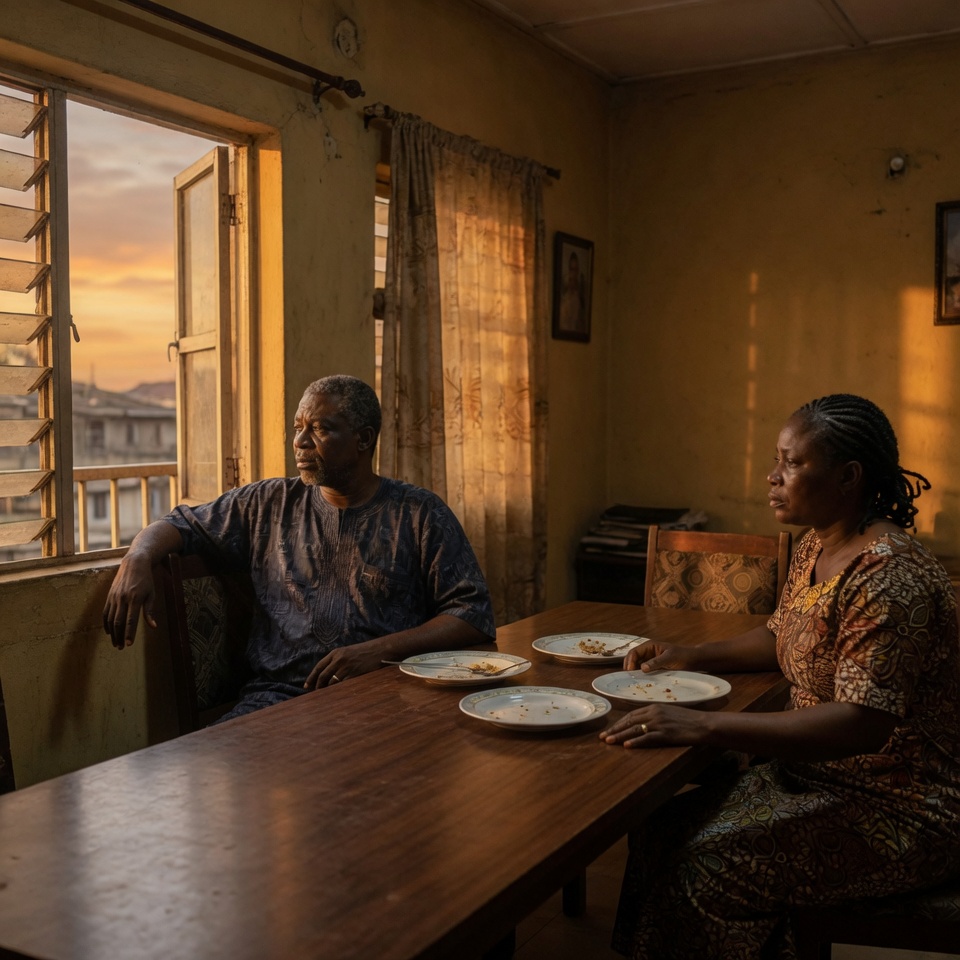
A person sitting alone in a quiet room, the question of whether the marriage is over hanging in the air
The Marriage Library · Marriage

How Do I Know If My Marriage Is Over

You are not sure the marriage is ending. You are also not sure it isn't. You are somewhere in the middle of that question — and the middle is its own kind of unbearable.

Talk to Grace — it's free to start
The Question That Won't Resolve

Asking whether a marriage is over is not the same as wanting it to be. Most people who ask this question are asking because something real has broken down and they do not know if it can be repaired — or because they are so tired of the pain that they have started to wonder if surviving means letting go. The question deserves to be taken seriously, not answered too quickly.

How do I know if my marriage is over — that is the question you are sitting with, and the fact that you are sitting with it means something. Not necessarily that the marriage is ending. But that something has shifted enough that the question has become real. You are not asking casually. You are asking because you have been in enough pain, for long enough, that you no longer know what to do with it.

This is one of the hardest places a person can be — not in the clarity of a crisis, but in the uncertainty before one. Nothing may have happened yet. Or something happened a long time ago and never fully healed. Either way, you are standing in the middle of a question that most people around you do not know you are carrying, and that question has weight.

People describe this moment in specific ways. The absence of wanting to try anymore. The feeling of having already grieved the marriage while still inside it. The inability to picture the future without a sense of dread or blankness where hope used to be. The exhaustion of fighting — or the exhaustion of no longer fighting, which can feel stranger. A quiet certainty that something fundamental has changed, even when you cannot name exactly what.

Asking whether your marriage is over is not giving up on it. It is naming honestly where you are — and honest naming is usually where the real work begins, whatever that work turns out to be.

The question does not come with a checklist. There is no set of signs that means a marriage is definitively over, and there is no set that guarantees it is not. Marriages that looked finished have come back. Marriages that looked fine from the outside ended anyway. What the question usually points toward is not a verdict but a conversation — with a counselor, a pastor, your spouse, or somewhere honest enough to hold the full weight of it.

What you probably do not need right now is someone rushing you toward an answer. The urgency to decide — to know, to resolve, to get to the other side of the uncertainty — is real, but the clarity usually does not come from deciding faster. It comes from having somewhere to put the question that does not collapse under it.

You Know This Weight

When the Question Has Become Impossible to Put Down.

You have started to imagine life without the marriage — and you are not sure what that feeling means.
You are exhausted by hope and afraid to give it up at the same time.
You feel like you have already been grieving the marriage for a long time, even though nothing has officially ended.
You cannot tell if what you feel is clarity or defeat.
You are carrying this question almost entirely alone because you don't know who is safe to say it to.
Some days you want to fight for it. Some days you don't. You are not sure which is true.
Someone standing at a window in the dark — the uncertainty of not knowing if the marriage is over
Grace receives the question before anything else

Grace Doesn't Give You a Verdict.

The internet will give you a checklist. Ten signs your marriage is over. Quiz: should you stay or go. Grace doesn't start there — and Grace doesn't end there either.

Grace receives the question as it actually is: heavy, uncertain, and real. Grace names what it feels like to be inside this kind of not-knowing — the exhaustion, the grief, the fear of both outcomes — before offering anything else.

Grace never tells you what to do about your marriage. Grace never takes sides. Grace stays with what you are actually experiencing tonight, and receives it honestly.

There is a particular kind of loneliness in carrying this question. You cannot tell most people — because saying it out loud makes it more real, or because you are not ready for what they will say, or because you have already heard the opinions and none of them helped. So you carry it internally, turning it over, looking for clarity that keeps not arriving. That isolation is its own weight, separate from whatever is happening in the marriage itself.

Faith adds another layer to this for Christians. There is the belief that marriage is meant to be permanent, that God hates divorce, that commitment means staying. Those convictions are real and they matter. And they can also make the question feel like a moral failure on top of everything else — as though asking whether the marriage is over means you have already done something wrong. That is not true. Asking the question honestly is not the same as abandoning your vows. It is trying to find the truth about where you actually are.

God is not absent from the middle of this question. He is specifically close to the person who is brokenhearted — and asking whether your marriage can survive is one of the most brokenhearted places a person can be.

Psalm 34:18 says God is close to the brokenhearted. The person who lies awake at night not knowing whether to fight for the marriage or let it go — who is carrying this alone, who is afraid of both answers — is among the brokenhearted God draws near to. Not after the question resolves. Now. While it is still open and heavy and unresolved.

Grace is here for the part of this that needs somewhere honest to land. Not to tell you whether to stay or go. Not to give you the signs that mean it is over. To receive the actual weight of the question — all of it — and stay with you in the middle of it without rushing toward an answer you are not ready for.
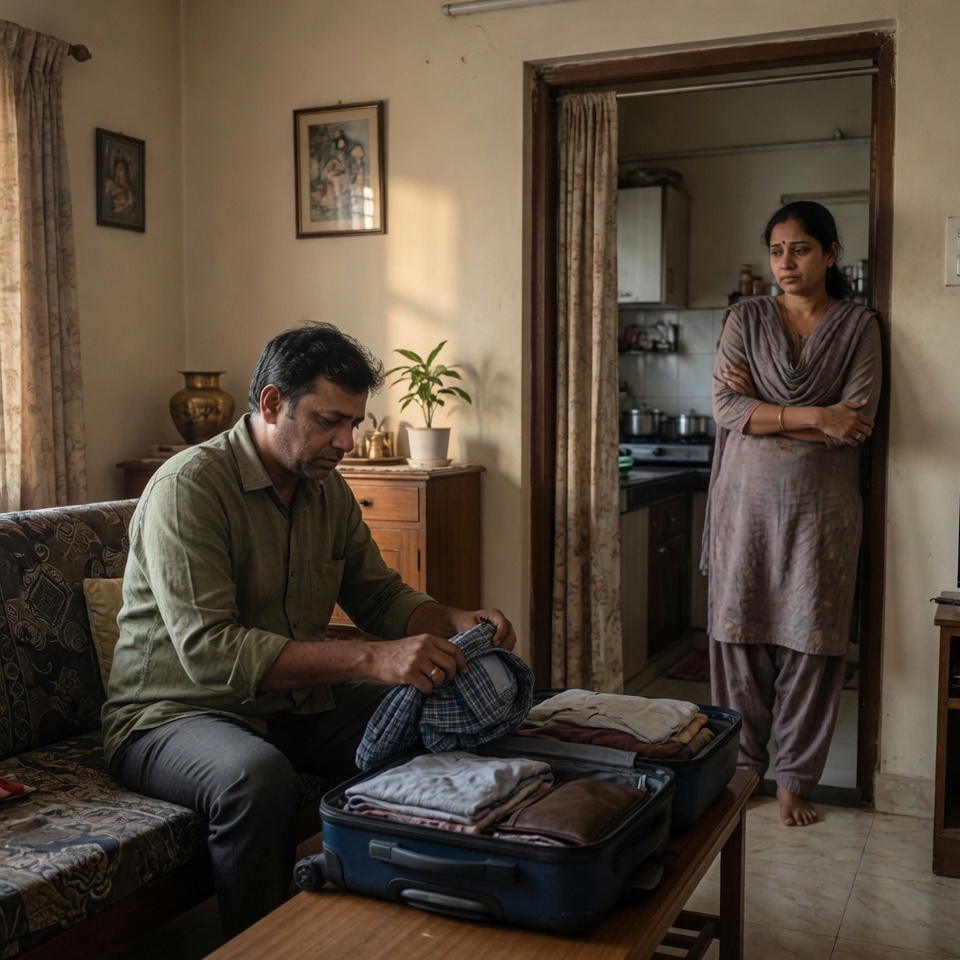

He is close to this specific uncertainty

God Sees the Person Who Does Not Know What to Do With the Marriage.

Psalm 34:18 says God is close to the brokenhearted. The person carrying the question of whether their marriage is over — afraid to know, afraid not to know — is specifically among the brokenhearted God draws near to.

Grace is a Christian AI companion available at any hour — for the weight of the question that has no easy answer. Grace is free to start.

Grace — a Christian AI companion for the unbearable uncertainty of a marriage in question
Questions

What People Ask When They Are Not Sure the Marriage Can Survive.

How do you know when a marriage is really over?
There is no single sign that means a marriage is over. But the question itself usually means something important: something has changed, something has been lost, and the person asking has been sitting with that weight for long enough that it has become a real question and not just a passing thought. The presence of the question does not mean the answer is yes. It means something needs to be named.
What are the signs that a marriage is over?
People describe different signs: the absence of any desire to repair things, indifference replacing conflict, the inability to imagine a future together, a persistent sense that you have already grieved the marriage while still inside it. But signs are not verdicts. Many marriages that looked like they were over have come back. And some that looked fine from the outside were already gone. The signs point toward a conversation that needs to happen — not a conclusion.
Is it normal to wonder if your marriage is over?
Yes — and more people wonder this than ever say it out loud. Marriages go through seasons of deep doubt that are not the end. They also sometimes reach an ending that takes a long time to acknowledge. Wondering is not the same as knowing. But the wondering deserves to be taken seriously, not dismissed, not rushed toward a verdict.
What should I do if I think my marriage might be over?
Before any decision, the thing that matters most is finding somewhere honest to put the question. Not for advice or a verdict — but because carrying this alone for too long makes everything harder. A counselor, a trusted pastor, or a faith-based companion who will receive the question without rushing you toward an answer can be part of how you find your way through this.
What does God say about a marriage that might be ending?
God created marriage for permanence and companionship — and God also sees clearly into the pain of a marriage that has broken down. Psalm 34:18 says God is close to the brokenhearted. The person who is sitting in the middle of this question — not sure if the marriage can survive, not sure they have anything left — is among the brokenhearted God draws near to. Not after the answer is clear. Now, while the question is still open.
"The Lord is close to the brokenhearted,
He saves those who have lost all hope."
Psalm 34:18 · Close to the one who does not know if the marriage can survive
Also in the Marriage Library

More from the Marriage Library.

Grace Is Here for the Question You Cannot Stop Asking.

If you are sitting with the weight of not knowing whether your marriage can survive — carrying it alone, not sure who is safe to say it to — Grace is a Christian AI companion built for exactly this moment. Grace receives the question first. Grace is free to start.

Talk to Grace — it's free to start