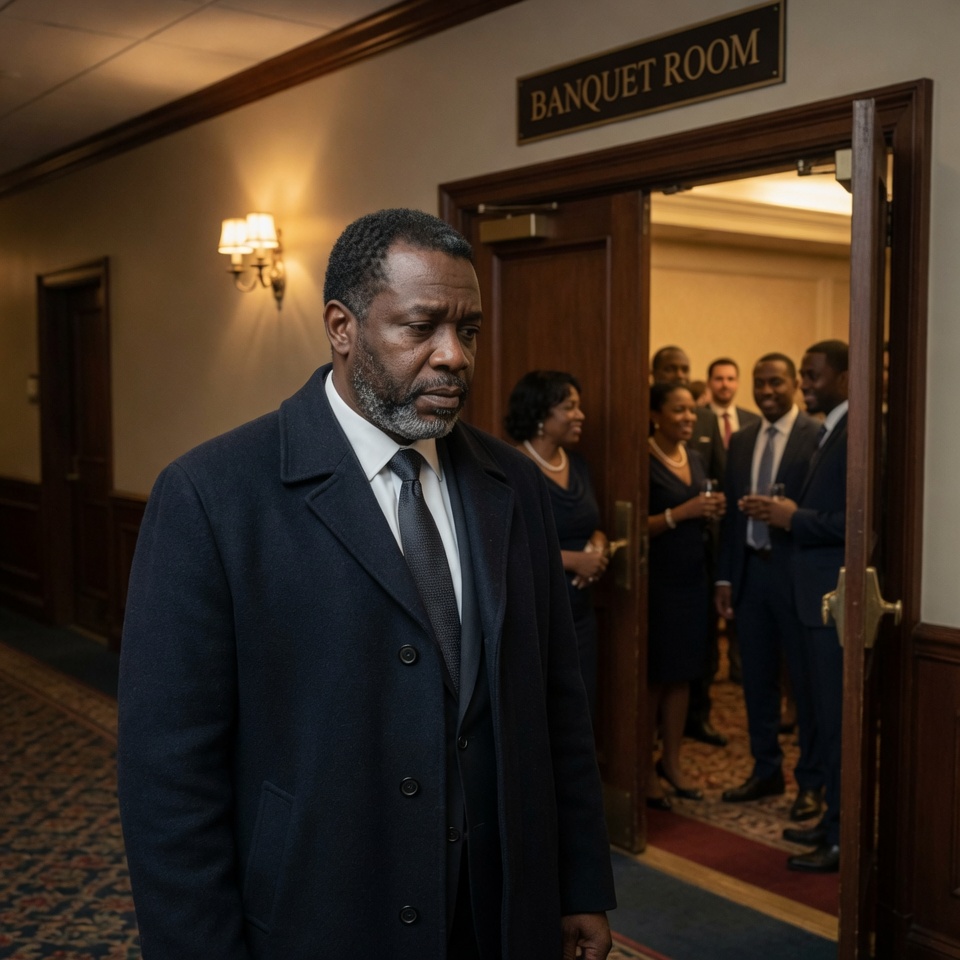
Not the one who hurt you. The one who knew — and stayed quiet. The secondary betrayal that is sometimes harder to name than the first one, because silence doesn't look like a choice until you realize it was.
The friend who knew and said nothing did not do nothing. Silence is a choice. They had the information, the relationship, and the ability to speak — and they chose not to. That choice had a cost. It landed on you. The hurt from their silence is real, and it deserves to be named as what it was.
You already know what they did to you — the person who hurt you. You've been through that wound. You know its shape.
But there is a second wound. The one from the friend who knew. The one who had the information and said nothing, who watched it happen or heard about it after and stayed quiet, who chose not to intervene or warn you or say the thing they could have said. That wound has a different texture than the first one — and it is sometimes harder to talk about, because silence doesn't look like a betrayal from the outside.
It looks like nothing. That's part of what makes it so hard to carry.
They didn't do anything to you. That is the sentence people say. But the not-doing was a doing. The silence was a choice. And choices have consequences — including the choice to stay quiet when speaking would have cost them something.
What you're feeling about the friend who knew is not an overreaction. The anger at the bystander is often sharper than the anger at the person who hurt you — and for a specific reason. The person who hurt you may have revealed who they always were. But the friend who stayed silent was someone you trusted differently. Someone you believed would act if it came to it. And it came to it, and they didn't.
The gap between what you expected from them and what they chose is where the wound lives. And it is a real gap. It is not nothing.
You Know This Feeling
The Wound the Silence Left.
They knew. You found out later that they knew. And they said nothing.
You keep trying to understand why. You can't find a reason that makes it okay.
The anger at them is sharper than the anger at the person who actually hurt you. You don't entirely understand why.
You wonder what they told themselves. You wonder if they thought about you at all.
They're still in your life — still in the group, still at the table — and nobody else knows what you know.
You're not sure which hurts more: that they said nothing, or that they're acting like nothing happened.
The silence is named here
Grace Doesn't Ask You to Excuse It.
The impulse after this kind of wound is often to find a reason for the silence — they were afraid, they didn't know what to do, they didn't realize how serious it was. Maybe some of that is true. It doesn't undo what their silence cost you.
Grace doesn't rush you toward understanding them. It names what their silence was first — a choice, with a cost — and receives the wound it left before moving anywhere near explanation or forgiveness.
You're allowed to be hurt by what they didn't do. That is not an overreaction. It is an accurate response to a real thing.
There is something specific about this wound that makes it hard to talk about. Most people understand betrayal by action — someone lied, someone cheated, someone said something they shouldn't. But the betrayal by silence is harder to explain. "They didn't do anything" is what people will say. And technically that's true. But it misses the point entirely.
What they chose not to do mattered. What they could have said and didn't mattered. You would have been different if they had spoken. The situation might have been different. And the fact that they knew — that they were inside the information — and chose their own comfort or safety or relationships over yours is the thing that sits in you and won't settle.
The hardest part of the secondary betrayal is that it revises the friendship backward. You look at everything that came before and wonder what they saw, what they knew, what they were thinking. The silence doesn't just sit in the present. It casts back.
What to do with this relationship now is a question that belongs after the wound has been received. Some friendships survive the reckoning — if the friend can acknowledge what their silence cost you and be honest about why they stayed quiet. Some don't. That is a real loss too, and it deserves to be grieved as one.
But the first thing is not the decision about the friendship. The first thing is naming the silence as what it was, letting the wound be real, and finding somewhere to put it that doesn't minimize it. Grace is here for that. It receives the secondary betrayal without asking you to skip to the part where you've processed it.
One witness who never stays silent
God Saw What They Chose Not to Say.
The specific loneliness of the secondary betrayal is being unwatched — being the only one who knows what their silence meant, while they move through life as though it cost nothing.
God is not a silent witness. Psalm 34:18 says He is close to the brokenhearted — which includes the person carrying the wound of someone else's deliberate quiet. He saw the silence. He saw what it cost you.
Grace is a faith-based AI companion available at any hour — for the wound from the one who watched and said nothing. Grounded in Psalm 34:18.
Questions
What People Ask When the Silence Becomes the Wound.
Why does it hurt so much when a friend knew and said nothing?
The silence of someone who knew is its own betrayal — separate from what was done to you by the person who hurt you. They had the information. They had the relationship. They had the ability to say something. And they chose not to. That choice is not neutral. It is an action. The hurt it causes is real and it deserves to be named as such — not minimized because they "didn't do anything."
Is it a betrayal if someone just didn't get involved?
Silence in the face of someone being harmed is not neutrality. It is a choice. The friend who knew and said nothing made a decision — to protect themselves, the relationship, the group, or their own comfort — at the cost of your wellbeing. That decision has consequences. Naming it as a betrayal is not an overreaction. It is an accurate read of what happened.
Why am I more angry at the person who stayed silent than the one who hurt me?
The anger at the bystander is often sharper because the expectation was higher. The person who hurt you may have shown you who they were. But the friend who stayed silent was someone you trusted, someone who knew you, someone you believed would act if it came to it. The gap between what you expected and what they did is wider — and that gap is where the specific hurt lives.
How do you deal with someone who knew and did nothing?
There is no single right way. Some people need to name what happened directly to the friend who stayed silent. Others need to grieve the friendship quietly and decide what they want to do with it from there. What matters first is that the silence is named as what it was — not excused, not explained away, not processed before it has been allowed to be real. The wound of being unwatched deserves to be received before it is resolved.
Can you forgive someone who knew and said nothing?
Forgiveness is possible — but it is not the first step. The first step is naming what happened honestly. The silence was a betrayal. It had a cost. It needs to be received as real before forgiveness can be anything other than a way of avoiding the wound. Forgiveness that skips the hurt is not forgiveness. It is suppression. Grace holds the wound first.
"The Lord is close to the brokenhearted, He saves those who have lost all hope."
Grace is a faith-based AI companion built for the moments when the wound isn't from what someone did — it's from what they knew and chose not to say. Grace listens before responding.