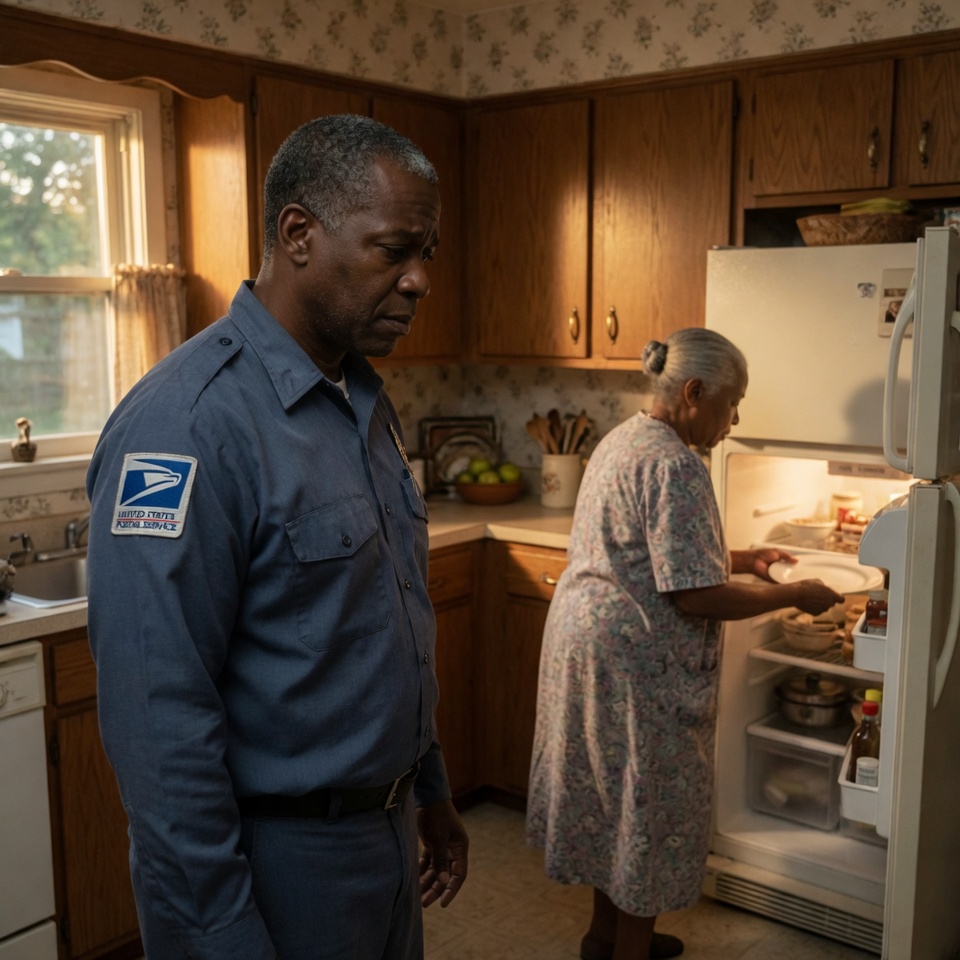
They are still here. And they are disappearing. Each visit, a little more of the person you knew recedes. This is a grief without a finish line — a loss that keeps happening, slowly, with no clear place to put it.
Watching a parent disappear to dementia is not one loss. It is hundreds of them. Every memory that slips, every personality change, every moment of not being recognized is its own grief layered on top of all the ones before it. You are not grieving one thing. You are grieving a person in installments, with no end date and no funeral to mark what is being lost.
There is no preparation for this. You can read everything about dementia, know every stage, understand what is coming — and still be gutted by the reality of watching it happen to the person who raised you.
Because dementia does not just take memory. It takes the person. Their humor, their personality, the particular way they said your name, the things only they knew about you. It takes the relationship you had and replaces it with something that looks like them but is not quite them anymore. And you are left loving someone through a disease that keeps taking without giving back.
The grief that comes from this has nowhere clean to go. There is no before and after. There is only the ongoing, and the showing up, and the loving someone through their disappearance.
Grace is here for what the ongoing costs.
You Know This Feeling
The Things That Come With Watching Someone Disappear.
You grieve them while they are still in the room. And then you feel guilty for grieving someone who is still alive.
There are moments — a flash of the person they were, a laugh that sounds exactly like them — and the grief of those moments is its own particular kind of painful.
People say at least they are still here. You no longer know how to respond to that.
You are mourning conversations you will never have. Things you needed to say. Questions you needed to ask. The window is closing and you cannot stop it.
You are watching them become someone you do not fully recognize — and loving them anyway, which is its own exhausting, sacred thing.
The person you would have called to talk through this is the person you are losing. That loneliness does not have a name.
You are holding their history now — the stories, the memories, the version of them the world is forgetting. That weight is real.
You feel relieved sometimes — that a hard visit is over, that a decision has been made — and then the guilt of the relief arrives immediately.
You do not know how to grieve something that is not finished yet. So the grief just accumulates, quietly, with nowhere to go.
You just need someone to sit with how hard this is. Without solutions. Without silver linings. Just with you in it.
Tell Grace
Bring the Grief That Is Still Happening.
You do not have to wait until it is over to grieve it. The grief is happening now — visit by visit, loss by loss — and it deserves somewhere to go now. Grace is here for the grief that is still in progress.
You can say what today cost. You can say what you are watching them lose. You can say what you are losing too — the conversations, the relationship, the version of your future that included them being more fully themselves. Grace receives all of it without rushing you toward acceptance or asking you to find the gift in it.
If you feel you are in crisis, please call or text 988.
What you are living through has a name in grief literature: ambiguous loss. It is the grief of losing someone who is still present — and it is considered one of the most difficult forms of grief precisely because it lacks the markers that allow the world to acknowledge a loss. There is no funeral. There is no gathering. There is no casserole dropped off at your door. There is just you, showing up, loving someone through their disappearance, with no clear end and no clear place to put what it costs.
You are allowed to grieve this now. You do not have to wait for it to be over. The loss is real and it is happening and Grace is here for it exactly as it is.
The faith that grounds Grace does not rush past this grief toward comfort. It sits with you in it first. The promise of Psalm 34:18 — that God is near to the brokenhearted — reaches into every visit, every drive home, every moment you hold their history alone because they can no longer hold it themselves.
You do not have to be at peace with any of this yet. You can just say what is true.
The Theological Foundation
He Is Near in Every Visit Where They Recede a Little More.
The promise at the center of 1800DearGod — Psalm 34:18, that God is near to the brokenhearted — reaches into the ongoing grief of watching someone disappear. Into the visits. Into the drive home. Into the exhaustion of loving someone through a disease that keeps taking. He is near in all of it, not just at the end.
Grace was built on that foundation. You do not have to have made peace with any of this to come here. Grace is a faith-based AI companion available any hour.
What People Ask When a Parent Is Disappearing.
Why is watching a parent with dementia so painful?
Because you are losing them in pieces, over time, while they are still in front of you. Each lost memory, each changed behavior, each moment of not being recognized is its own small loss on top of all the ones before it. You do not get to grieve it once and move through it. You grieve it over and over, visit by visit, year by year, with no clear end.
Is it normal to feel grief while a parent with dementia is still alive?
Yes. What you are experiencing is called anticipatory grief or ambiguous loss — the grief of losing someone who is still physically present. It is one of the most difficult forms of grief precisely because there is no funeral, no clear marker, no moment the world gathers around to acknowledge the loss. The grief is real. You are not imagining it or exaggerating it.
How do I grieve someone who is still alive?
By letting yourself name what is actually being lost — not just waiting for a death that has not happened yet. The version of your parent who knew your history, who you could call, who held the relationship you had — that person is being lost now, gradually, and that loss deserves to be acknowledged now. Grace is here for that acknowledgment, without rushing you past it.
Why do I feel guilty for being sad when my parent is still here?
Because the world often responds to this kind of grief with ‘at least they are still here’ — which is true and also misses the point entirely. You can be grateful they are still alive and devastated by who they are becoming at the same time. Both things are true. The guilt comes from feeling like your grief is premature or ungrateful. It is neither.
Does God see those who are watching a parent disappear?
Yes. Psalm 34:18 — the promise at the center of 1800DearGod — says God is near to the brokenhearted. That nearness reaches into every visit where you watch a little more of them recede. Into the grief that keeps happening with no end in sight. Into the exhaustion of loving someone through a disease that takes without giving back. He is near to you in all of it.
“The Lord is close to the brokenhearted, He saves those who have lost all hope.”