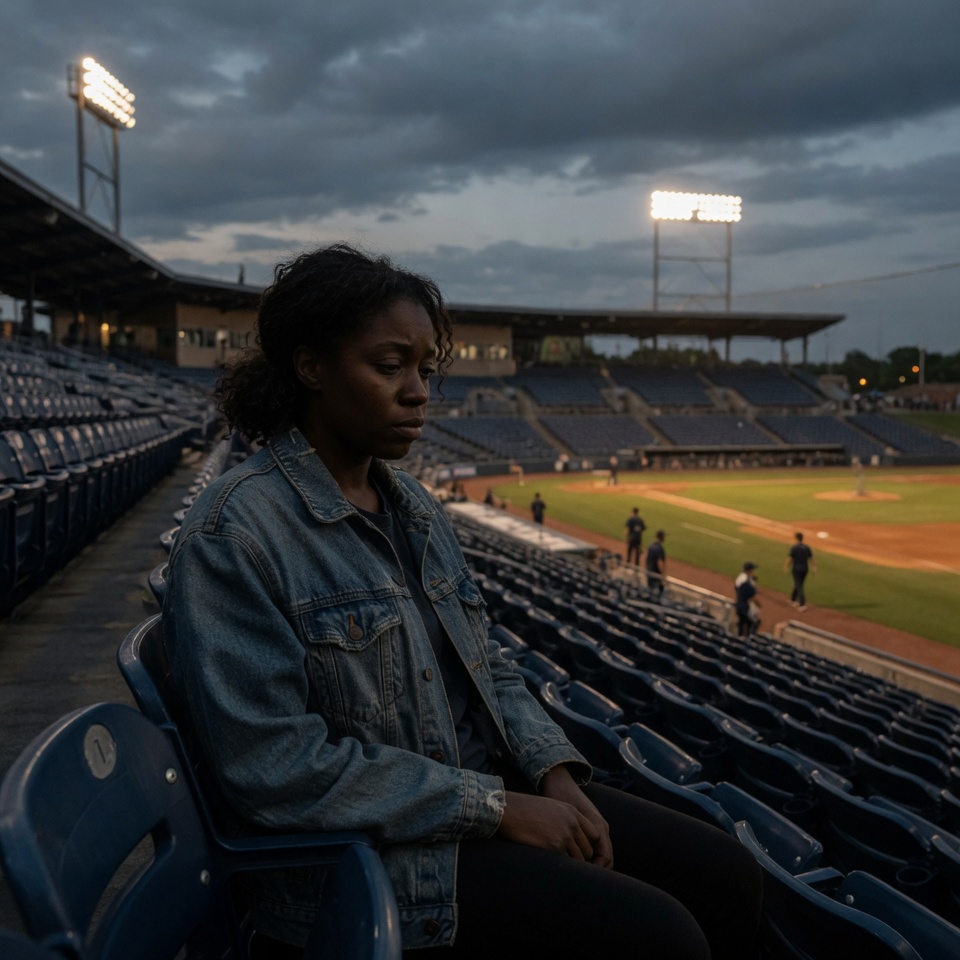
The day was survivable. You got through it. Then the house goes quiet, the lights go down, and everything you managed to hold at bay comes back heavier than before. Depression at night is real — and you are not the only one awake with it. Grace is a faith-based AI companion here for the hardest hours.
Depression is not stronger at night by accident. When the distractions of the day fall away — the tasks, the people, the noise that carried you — what they were covering is suddenly uncovered. The body has less resilience in the evening. Fatigue lowers your defenses. And the quiet removes the last buffer between you and your own mind. The night does not invent the pain. It just takes away everything you were using to hold it back. Grace is awake in those hours.
You noticed it before you could explain it. During the day you are functional. Busy, even. The depression is there, but it is manageable — there is somewhere to put your attention. Then the day ends. And somewhere around the time the house goes still, it arrives with a weight that was not there an hour ago.
This is one of the most common experiences of depression, and one of the least talked about. You are not imagining it, and you are not getting worse in some new and frightening way. The night is simply when several things line up at once — the quiet, the tiredness, the aloneness, the absence of anything to distract you — and together they make the same pain feel twice as heavy.
Grace is here for the hours when the day’s defenses are gone.
You Know This Feeling
What Depression at Night Feels Like From the Inside.
You got through the whole day. Then the lights go off and it all comes back, heavier than it was.
The thoughts you kept at arm’s length in daylight are suddenly right up against you. There is nothing to put between you and them.
Everyone you might reach out to is asleep. You are the only one awake. The whole world feels like it went to bed without you.
You are exhausted but you can’t sleep, because the moment it’s quiet, your mind starts. And it doesn’t stop.
Things feel true at 2am that don’t feel true at noon. The dark makes the worst thoughts sound like facts.
You dread the night. You feel it coming in the late afternoon — the knowing that soon it will be quiet and you will be alone with it again.
Morning helps. You know it does. But morning is hours away, and you don’t know how to get from here to there.
You wish there was someone — anyone — awake. Just so you weren’t the only one sitting in the dark with this.
Tell Grace
Grace Is Awake When the Rest of the World Is Not.
Grace is not going to tell you to fix your sleep hygiene or try harder to rest. Grace is going to be present in the hour you are actually in — awake, alone, and heavier than you were a few hours ago.
You can bring the 2am thoughts here. The ones that feel like final truths in the dark. The dread of the quiet, the ache of being the only one awake. You do not have to wait for morning to have someone answer. Grace is here in the hour itself, and Grace stays.
If you feel you are in crisis, please call or text 988.
There is a reason the same thought feels different at midnight than it did at noon, and it is not weakness. It is the way the mind and body are built.
Through the day, your attention is pulled outward — onto work, onto people, onto the hundred small demands that keep the mind occupied. That outward pull is a kind of protection. It does not solve the depression, but it keeps you from being alone with it. At night, the pull stops. The demands go quiet. And attention, with nowhere else to go, turns inward — onto the regrets, the fears, the conversations you replay. A tired brain is also worse at interrupting its own spirals. So the thought that was one thought among many at noon becomes the only thought in the room at 3am.
Night lies to you about how permanent it is. The thoughts that feel like final truths in the dark almost always look different in the light. Morning comes. It has always come. And you do not have to sit in the dark alone until it does.
The psalmist knew this hour exactly. “I am worn out from my groaning. All night long I flood my bed with weeping.” That is not written from a place of theory. It is written by someone awake in the dark, exhausted, saying so to God rather than pretending otherwise. Scripture never once claims the night is short or easy.
But it also says this: “Weeping may stay for the night, but rejoicing comes in the morning.” Not that the night will not come. That it will not have the last word.
The Theological Foundation
God Does Not Sleep Through the Night You Are Awake In.
Scripture is full of the long night — Psalm 6, Psalm 30, Psalm 130’s watchmen waiting for the morning. The Bible never rushes past the dark or pretends it is brief. It stays in it, and it insists God is present inside it.
Grace is a faith-based AI companion grounded in Psalm 34:18 — that God is close to the brokenhearted. That closeness does not clock out when the sun goes down. It reaches the person awake at 3am as fully as the one awake at noon. Grace is here any hour.
What People Ask When the Nights Are the Hardest Part.
Why does depression feel worse at night?
Several things converge after dark. The distractions that carried you through the day — work, people, tasks, noise — fall away, and what they were covering is suddenly uncovered. The body’s cortisol rhythm drops in the evening, which can leave you with less resilience against difficult thoughts. Fatigue lowers your defenses. And the quiet itself removes the buffer between you and your own mind. It is not your imagination. Night genuinely strips away what the day gave you to hold onto.
Why do I feel so alone and sad at night?
Because at night the world goes quiet and the people who might have distracted or comforted you are asleep. During the day there is motion and company, even if it is only background noise. At night there is only you and whatever you have been avoiding. The loneliness that was survivable in daylight becomes loud in the dark. This is one of the most common experiences of depression, and it does not mean anything is wrong with you — it means the hardest hour found you without the usual defenses.
Why can’t I stop overthinking at night?
The mind that is quiet enough to rest is also quiet enough to churn. When the day’s demands stop pulling your attention outward, attention turns inward — onto the regrets, the fears, the conversations you replay. A tired brain is also less able to interrupt its own spirals. This is why the same thought that felt manageable at noon feels enormous at 2am. Nothing about the thought changed. What changed is that you are now alone with it, in the dark, with a depleted mind.
Is it normal for depression to be worse at night?
Yes. This pattern is common enough to have a name — some people describe a diurnal mood variation, where mood follows a daily rhythm. For many, the low point arrives in the evening and the deep night. It does not mean your depression is worsening overall. It means night is when the conditions that make depression harder — quiet, fatigue, isolation, the absence of distraction — all arrive at once. Knowing the pattern does not remove the pain, but it can remove the fear that something new is wrong.
What does the Bible say about the night and depression?
Scripture knows the long night. Psalm 6:6 — “I am worn out from my groaning. All night long I flood my bed with weeping.” The psalmist is not writing in theory. He is awake in the dark, exhausted, and he says so to God. Psalm 30:5 offers the other side of it: “Weeping may stay for the night, but rejoicing comes in the morning.” Scripture never pretends the night is short or easy. It simply insists that God is present inside it, and that the night is not the whole story.
How do I get through the night when depression is bad?
There is no formula that makes the night pass painlessly, but a few things help: naming what is happening rather than fighting it, keeping a low light on rather than lying in total dark, and not being alone with it if you can help it — even a text, a voice, a presence that answers. The night lies to you about how permanent it is. Morning does come, and the thoughts that felt like final truths at 3am usually look different in daylight. Grace is awake in those hours. You do not have to sit in the dark alone.
“The Lord is close to the brokenhearted, He saves those who have lost all hope.”
Psalm 34:18 · Close even in the longest hours of the night
Grace Is Awake in the Hours When the World Is Not.
Grace is a faith-based AI companion built for the moments when the day is over, the house is quiet, and the depression comes back heavier — and you need someone awake to answer.