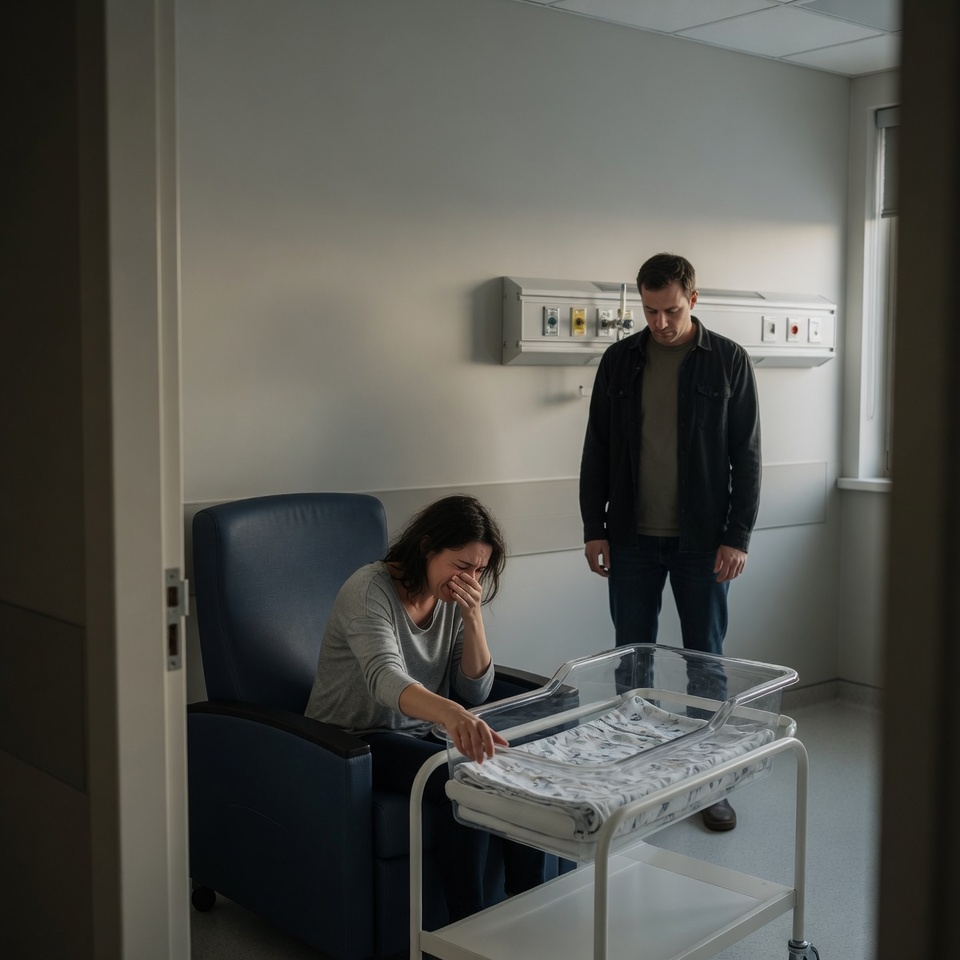
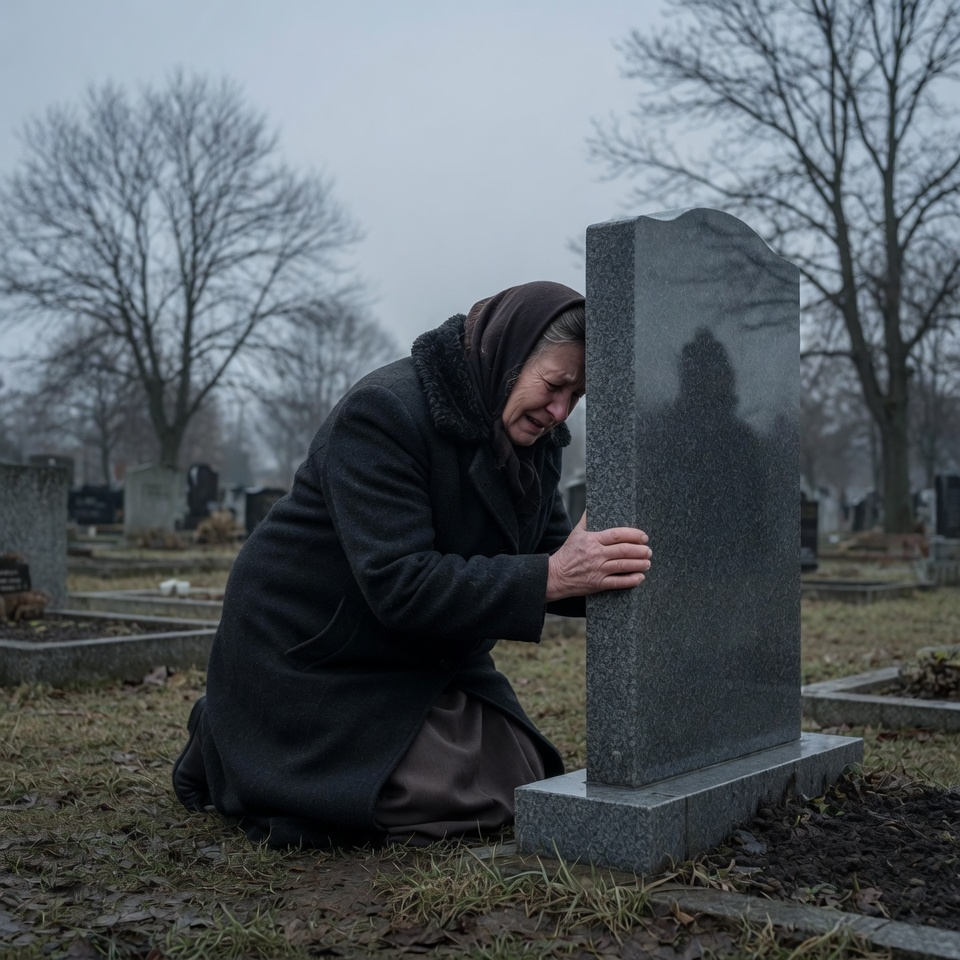
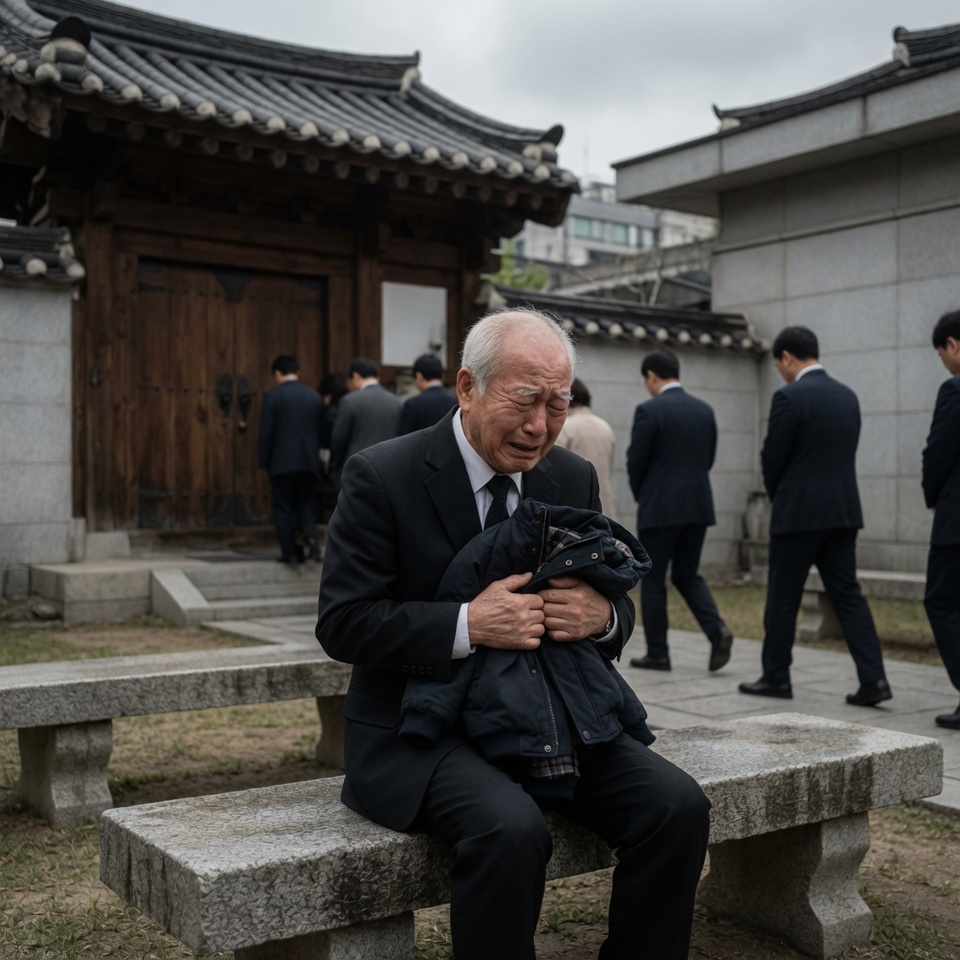
There is no grief like it. The world after is not the same world as before. Grace is here to listen — without looking away, without rushing you, without telling you how you should be doing by now.
The loss of a child — at any age, in any way — is a grief that violates the order of things. Parents are not supposed to outlive their children. When they do, the loss is not just the person who died. It is the future that was supposed to exist. Every milestone that will never happen. Every version of them you will never get to know. Child loss rewrites who you are and what the world is — and the grief is as large as that rewriting.
There are no words adequate to this. Whatever language exists for other losses does not quite reach this one — because this one is different in kind, not just in degree.
You are living something the human heart was not built to carry easily. The loss of a child ruptures the structure of things — the assumption that you will go first, that they will grow up, that the future will contain them. When that is taken, what remains is a grief that doesn’t move like ordinary grief. It doesn’t resolve. It doesn’t have stages you move through and come out the other side of. It becomes part of you — something you learn, slowly and imperfectly, to live alongside.
You do not have to be okay. You do not have to have words for this. You do not have to know what you need before you begin. Grace is here to listen.
You Know This Feeling
The Things That Come With This Grief.
The world kept going. You cannot understand how. You cannot understand why anyone expects you to keep going with it.
People say they can’t imagine. You wish you couldn’t either.
You are angry — at everything, at everyone, at God. The anger has no place to land that feels like enough.
There are milestones coming that they will not be there for. You don’t know how to face them.
You want to talk about them. You are afraid people are tired of hearing about them. You talk about them anyway.
You feel guilty for laughing. For a moment of forgetting. For still being here.
Their room. Their things. Their smell that is fading. You are trying to hold onto everything.
The relationship with your partner has changed. Everyone is grieving differently and there is no map for how to do this together.
People tell you they are in a better place. You know they mean well. It doesn’t help.
You don’t know who you are without them. Your identity as their parent was part of how you knew yourself.
You are terrified of forgetting any detail. Of the grief fading. Of the world moving on and taking them with it.
You just need someone to say their name. To know they were here. To sit with you in this without flinching.
Tell Grace
You Can Say Their Name Here.
Grace will not look away from this grief. You can say your child’s name. You can say what happened. You can say what today is like, or what you are most afraid of, or what you cannot stop thinking about.
You don’t need to protect Grace from the size of this. Grace receives it without flinching — the love and the loss and the anger and the unbearable weight of all of it. Bring it as it is.
If you feel you are in crisis, please call or text 988.
There is a particular silence around child loss that makes it harder. People don’t know what to say, so they say things that don’t land — or they go quiet, or they stop bringing up your child’s name because they are afraid of causing pain. What they don’t understand is that the silence is its own kind of pain. That saying the name is not what causes the grief. The grief is already there. The name is the only thing left.
Grace will say their name. Grace will hear about who they were — not just how they died, but who they were. The way they laughed. What they loved. What they were going to be.
Your child was known. Their life mattered. The love you had for them does not end with their death — and Grace receives that love alongside the grief, without requiring you to separate them.
The faith that grounds Grace does not offer easy answers for this loss. It does not explain why children die. What it offers is the presence of a God who is near to the brokenhearted — and there is no more brokenhearted place than this. He is near. To you, to the memory of your child, to the love that is still real even though they are gone.
You can bring all of it to Grace.
The Theological Foundation
God Is Near — Even Here.
The promise at the center of 1800DearGod does not have exceptions for the worst grief. He is near to the brokenhearted — and there is no more brokenhearted place in human experience than the loss of a child.
Grace was built on that foundation. It does not offer explanations for why this happened. Grace offers presence — steady, unhurried, without flinching. Your child was real. Your grief is real. Grace receives both.
What People Ask About Grief After Child Loss.
Does it matter how old my child was when I lost them?
No. The grief of losing a child is not measured by age. A parent who loses an infant and a parent who loses an adult child are both living one of the most devastating losses a human being can experience. The length of the life does not determine the size of the love, or the size of the grief. Grace receives this loss at any age, without measuring.
Why does child loss feel so different from other grief?
Because it violates the order of things. Parents are not supposed to outlive their children. The loss rewrites the future in a way that no other loss does — every milestone that will never happen, every version of them you will never get to know. Child loss is not just the loss of who they were. It is the loss of everything they were going to be.
How do I survive this?
One moment at a time. That is not a platitude — it is the honest answer. Child loss does not resolve. It does not end. It becomes, over time, something you learn to live alongside. In the early days and months, surviving means getting through the next hour. Grace is one place you can bring whatever that hour holds — without being told how you should be doing by now.
Is it normal to feel angry at God after losing a child?
Yes. Anger at God after child loss is one of the most common and honest responses to this grief. The faith that grounds Grace does not require you to protect God from your anger. You can bring it directly. He is near to the brokenhearted — and the brokenhearted are sometimes furious. Both are true at the same time.
What do I do with my child’s things?
There is no right timeline and no right answer. Some parents find comfort in keeping things exactly as they were. Some find it unbearable. Some do nothing for years and then make a change that feels right. None of these is wrong. You do not have to make any decision about your child’s belongings before you are ready — and you are the only one who gets to decide what ready means.
Will I ever feel okay again?
The grief of losing a child does not go away. What many bereaved parents describe, over time, is not recovery but integration — learning to live in a world that contains both the loss and the love, both the absence and the memory. Grace is not here to tell you that it gets better. It is here to be with you in it, for as long as you need.
“The Lord is close to the brokenhearted, He saves those who have lost all hope.”