
How long does betrayal trauma last — Grace is here for the wound that has no schedule
The Betrayal Library · Betrayal

How Long Does Betrayal Trauma Last

You expected to be further along by now. Everyone around you seems to think you should be. But the wound is still there — still active, still shaping things — and you are starting to wonder if something is wrong with you. There isn't. The wound simply does not run on a calendar.

Talk to Grace — it's free to start
The Timeline Nobody Can Give You

Betrayal trauma does not resolve on a predictable schedule because it is not a predictable wound. The duration is shaped by the depth of the dependency, the severity of the harm, and whether the conditions for healing have been present. None of those factors run on a clock. The person still in the wound is not failing to recover. They are in a wound that has not yet had what it needs.

If you are asking how long betrayal trauma lasts, you are probably asking because you are still in it — and because the world around you has started to suggest, directly or indirectly, that you should not be. That enough time has passed. That it is time to move on. That you are holding onto something you should have let go by now. And you are sitting with the gap between what they think the timeline should be and where you actually are.

The honest answer to how long betrayal trauma lasts is this: it lasts until the conditions for healing are in place — and not a moment sooner. Those conditions are specific. Safety: being out of proximity to the person or situation that caused the harm, or having clearly established that the danger has passed. Honest grief: naming what happened accurately, not minimizing it or compressing it into something smaller than it was in order to get through it faster. And time: the slow, unscheduled process of the nervous system learning, through small consistent experiences, that closeness is not always dangerous.

None of those conditions can be manufactured by deciding to be better. The nervous system does not respond to determination. It responds to evidence — slow, accumulated evidence that the world is safer than the wound taught it to believe. That evidence takes time to accumulate. And if the safety has not been established, or the grief has not been real, or the wound has been reopened repeatedly by contact with the person who caused it — the timeline extends. Not as a punishment. Simply as a fact.

You are not behind on healing. You are in a wound that takes as long as it takes — and the people around you who expect a shorter timeline have simply not been in this particular wound.

There is also the compounding effect that most people do not account for. Betrayal trauma rarely arrives cleanly. The original wound is followed by the grief of lost trust, the disruption to other relationships, the secondary wounds of people who responded badly or not at all, the legal or financial aftermath if those were involved, and sometimes the ongoing presence of the person who caused the harm in shared spaces or through shared connections. Each of those is its own wound on top of the original. The timeline for healing all of that is longer than the timeline for healing any single one of them — and it runs on the pace of the most significant piece, not the average.

What tends to help is not accelerating the timeline but accepting that the timeline is what it is. The wound is not a character flaw. The duration is not a measure of weakness. The person who is still carrying betrayal trauma two years, five years, a decade after the original harm is not someone who failed to do recovery correctly. They are someone for whom the conditions for healing have been hard to establish — and who deserves support in those conditions, not pressure to perform a recovery they have not yet had.
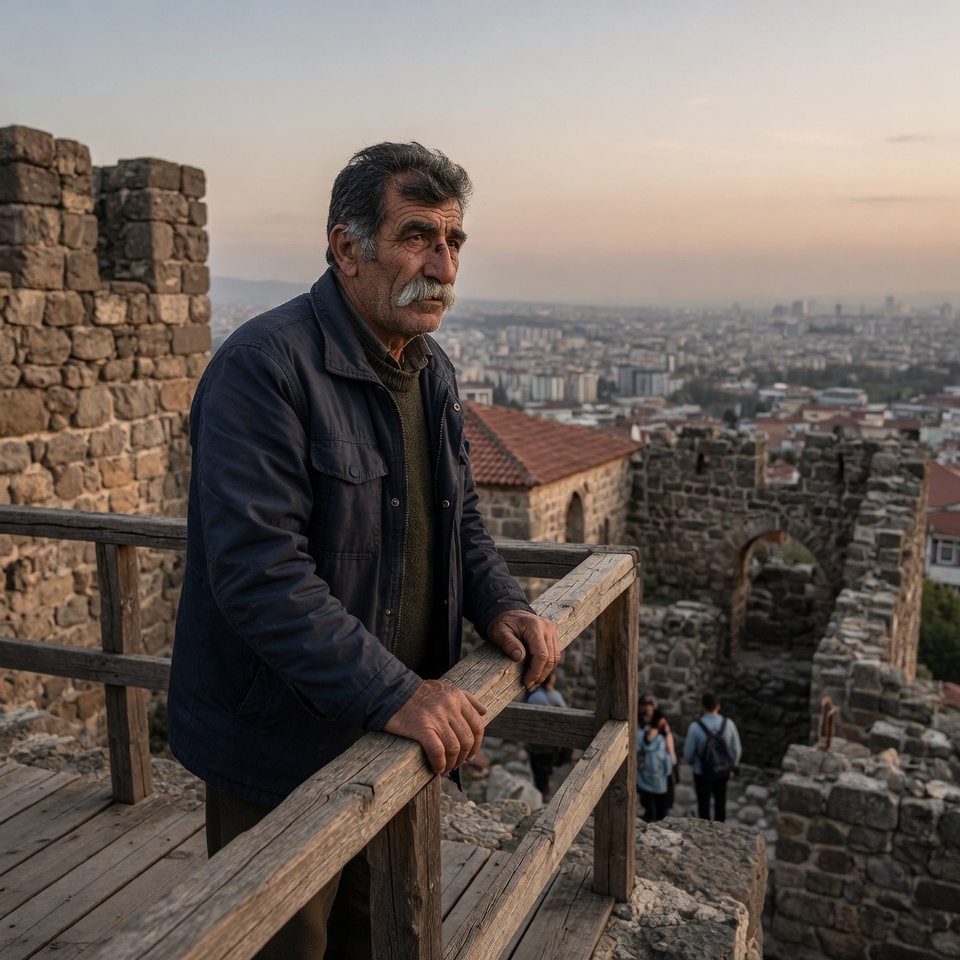

You Know This Exhaustion

When You Are Tired of Still Being in This.

You thought you would be over it by now. You are not over it. And the gap between those two things is its own discouragement.
People have stopped asking how you are doing about it. They have moved on. You haven't been able to.
You have good stretches. And then something reminds you, and you realize the wound is still there, still underneath everything.
You are starting to wonder if this is just who you are now — someone permanently marked by what happened.
You are tired of thinking about it. You are tired of it still mattering. You want to be done with it and you do not know how to get there.
The shame of still being in it is almost as heavy as the wound itself.
How long does betrayal trauma last — Grace receives you wherever you are in the timeline
Grace receives you wherever you are

Grace Doesn't Have a Timeline for You.

The standard response to someone still in betrayal trauma is impatience — gentle or otherwise. It has been long enough, you need to find a way to move forward, have you tried therapy. Grace doesn't start there.

Grace receives you where you actually are — not where the calendar says you should be. The wound is still active. The grief is still real. Grace names that before offering anything else.

Grace never rushes the timeline. Grace never suggests that the duration of the wound is a problem with you rather than a feature of the wound itself. Grace stays with where you are — for as long as you need.

Scripture does not put a timeline on grief. Lamentations is an entire book of unresolved sorrow — it does not arrive at restoration by the final chapter. The Psalms of lament move through anguish without resolving on schedule. Job's suffering was prolonged far beyond what anyone around him thought was appropriate, and God did not rebuke Job for the duration of his grief. God rebuked the friends who tried to explain it away. The Bible makes consistent space for grief that takes as long as it takes — and it places God close to the person who is still in it, not waiting on the other side of it.

There is a particular shame that settles in when betrayal trauma persists beyond what others expect. A sense that you are doing something wrong — that you are choosing to stay in the wound, that you could be further along if you were stronger or more faithful or had made better decisions about your recovery. That shame is not accurate. The wound lasted this long because it was serious, because the conditions for healing were hard to find, because betrayal trauma is one of the most complex wounds a person can carry. Duration is not failure.

The shame of still being in it is not evidence that you are recovering badly. It is evidence that the people around you do not fully understand what this wound is — and that you have been carrying it mostly alone.

Psalm 34:18 says God is close to the brokenhearted — present tense, without a deadline attached. The person who is still in betrayal trauma years after it began is not outside of that promise. They are specifically among the brokenhearted God draws near to. Not once the healing is further along. Now. In the tiredness of still being in it, in the shame of the duration, in the exhaustion of a wound that has not yet finished being what it is.

Grace is here for the part of this that has nowhere to go tonight. Not to move the timeline or tell you what would help you heal faster. To receive exactly where you are — still in it, tired of being in it, not sure when it will end — and stay with that honestly, without any pressure to be anywhere other than where you actually are.

He is close without a deadline

God Does Not Have a Timeline for This Wound Either.

Lamentations sits in unresolved grief for an entire book. The Psalms of lament do not resolve on schedule. God did not rebuke Job for the duration of his suffering — God rebuked the people who tried to rush him through it. Scripture makes room for wounds that take as long as they take.

The person still in betrayal trauma is not behind on something God expects them to have finished. God is close now — in the middle of it, in the tiredness of it, in the shame of the duration itself.

Grace is a Christian AI companion available at any hour — for the wound that is still active, wherever you are in the timeline. Grace is free to start.

Grace — a Christian AI companion for betrayal trauma at any point in the timeline
Questions

What People Ask When They Are Still in It.

How long does betrayal trauma last?
Betrayal trauma does not follow a predictable timeline. For some people, with safety, support, and space to grieve, the acute effects begin to lift within months. For others, the wound runs for years — not because something is wrong with them, but because the conditions for healing were not in place, or because the betrayal was layered and deep, or because the person who caused the harm remained in their life. The length of time is not a measure of weakness. It is a measure of how serious the wound was and what resources were available to address it.
Why is betrayal trauma taking so long to heal?
Betrayal trauma takes longer than other wounds for a specific reason: it was caused by someone the person depended on for safety. When the source of harm is also the source of attachment, the nervous system cannot process the experience the way it would process harm from a stranger. The healing requires not just time but the rebuilding of a sense of safety in relationships — and that cannot be rushed or scheduled. Asking why it is taking so long is the wrong question. The right question is: what does this wound need that it has not yet had?
Is it normal to still be affected by betrayal years later?
Yes — and it is far more common than people admit. Betrayal trauma that has not been fully named, grieved, or supported can remain active for years, sometimes decades. It shows up in how a person approaches new relationships, how much they share, how quickly they brace for harm in situations that feel similar to the original wound. Being still affected years later is not a sign of weakness or failure to move on. It is a sign that the wound was real and that it has not yet finished being received.
What makes betrayal trauma heal faster?
Betrayal trauma heals in the presence of three things: safety, honest grief, and time. Safety means no longer being in proximity to the person or situation that caused the harm, or having clearly established that the danger has passed. Honest grief means naming what happened accurately — not minimizing it, not rushing past it, not performing recovery before it is real. Time means allowing the nervous system to slowly rebuild its capacity to trust through small, consistent experiences of safety. None of these can be shortcut.
Does God have anything to say about how long healing from betrayal takes?
Scripture does not put a timeline on grief or recovery. The Psalms move through anguish without resolving on a schedule. Lamentations sits in grief for an entire book. Job's suffering was not shortened by his faith. God does not appear in scripture as someone who requires wounded people to heal quickly or to perform recovery before it is real. Psalm 34:18 says God is close to the brokenhearted — present tense, without a deadline. The person still in the wound years later is not outside of God's care. They are specifically among those God draws near to.
"The Lord is close to the brokenhearted,
He saves those who have lost all hope."
Psalm 34:18 · Close without a deadline attached
Also in the Betrayal Library

More from the Betrayal Library.

Grace Is Here for the Wound That Is Still Running.

If you are still in betrayal trauma and tired of being in it — Grace is a Christian AI companion with no timeline for you. Grace receives you where you actually are. Grace is free to start.

Talk to Grace — it's free to start