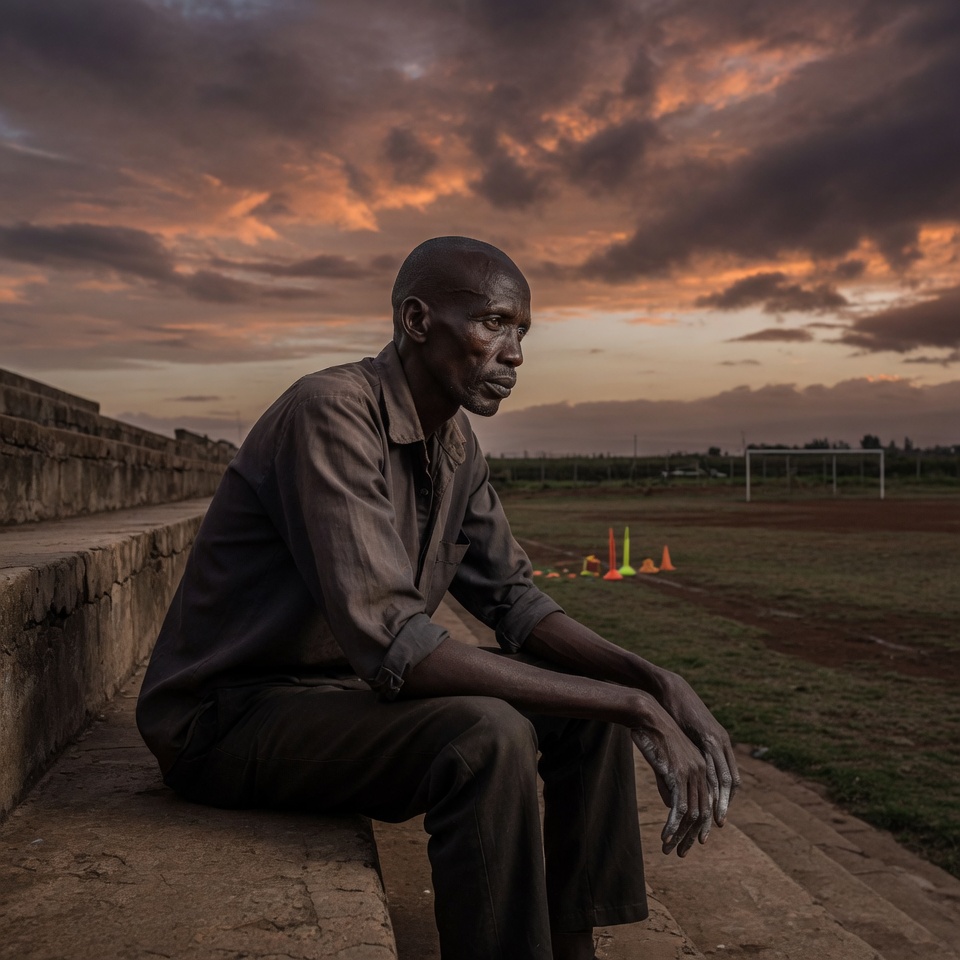
You still believe. That is the specific wound — not doubt, but the felt absence. The sense that God was here, and then something changed, and now you are praying into a silence that feels different from quiet.
Feeling abandoned by God is not the same as losing faith. It is faith in the presence of an experience that contradicts what faith says is true. You believe God is there. You cannot feel it. That gap — between the theology and the experience — is one of the most honest places a person of faith can stand. The Psalms call it prayer.
You have not stopped believing. That is the part that makes this particular wound so hard to explain. It would be simpler if the feeling of abandonment came with doubt — if the sense that God had left also meant you no longer believed He existed. Then at least the experience and the theology would match.
But you still believe. And the sense that He has left — that something changed, that the presence you used to feel is not here the way it was — sits alongside the belief without canceling it. Both are true at the same time. He is real, and He feels gone. You know He didn't leave. You feel like He did.
That gap between knowing and feeling is its own particular suffering. It is one of the most disorienting places in the Christian life — because the faith says one thing and the interior experience says another, and you cannot simply choose which one to believe.
The felt absence of God is not the same as His actual absence. But the felt absence is real — and it needs somewhere to go that doesn't immediately correct it with theology before it has been allowed to exist.
Psalm 22 opens with the words Jesus quoted from the cross: "My God, my God, why have you forsaken me?" That prayer was not a failure of faith. It was a cry from inside faith — the most faithful possible response to the felt absence, which is to turn toward God and name what is happening, even when what is happening feels like He is not there.
That is what this prayer is. A turning. A naming. Not a resolution — not yet, and maybe not for a while. But a prayer that is honest about the gap, that does not perform a felt presence that isn't there, that brings the felt abandonment to the God who is present in it even when He cannot be felt.
You Know This Feeling
The Gap Between What You Know and What You Feel.
You believe God is real. You feel like He left. Both are true at the same time.
You pray and it feels like speaking into an empty room.
Something happened — a loss, a season, a silence that stretched too long — and something shifted.
You don't want to tell anyone because it sounds like doubt. It isn't doubt. It's something harder to name.
You keep praying. Not because it feels like anything. Because you don't know what else to do.
You need somewhere to put the felt absence that doesn't immediately correct it with a Bible verse.
A Prayer for the Felt Absence
For the One Who Still Believes — and Cannot Feel Him.
A Prayer When You Feel Abandoned by God · 1800DearGod.com
God, I still believe you are there. I want to say that first, before I say the rest, because the rest is hard.
You feel gone. I know that's not the theology — I know what the Bible says, I know you promised never to leave. But the felt experience of this season is absence. And I am tired of pretending otherwise in my prayers when the pretending is a kind of dishonesty I don't have the energy for right now.
So here it is: I feel abandoned. Not theologically abandoned — I believe you are still here. But something that used to feel like your presence is not here the way it was. And I don't know when it changed or what I am supposed to do with that.
Psalm 22 says you are there in the darkness even when you cannot be seen. I am holding onto that with both hands.
I am not asking you to fix the feeling tonight. I am asking you to be close anyway — to be the God of Psalm 34:18, close to the brokenhearted, close to me — even in a way I cannot feel right now.
I am still turning toward you. That has to count for something. I believe that it does.
Amen.
The turning is itself faith
You Are Still Turning Toward Him.
The act of praying "where are you" assumes there is someone to hear the question. That assumption — still present even in the felt absence — is faith. Not comfortable faith. Not the faith that feels like peace. But faith.
Grace receives the felt abandonment without correcting it before it has been named. It holds the experience as real. And Grace can pray with you when your own prayer runs out of words — staying until the felt absence has been fully brought, not rushed past.
The still-turning is the evidence. You have not left. That matters.
The Christian tradition has named this experience across centuries. The dark night of the soul. Desolation. Spiritual aridity. The mystics who wrote about it were not spiritually immature — they were among the people considered most intimate with God. And they described, in detail, the experience of praying into a silence that felt like absence.
What they also described — almost without exception — is that God was present in the darkness even when He could not be felt. That the absence was an experience, not a fact. That the felt abandonment was a season, not a verdict.
Psalm 22 ends with praise. Not because the felt abandonment resolved quickly — the psalm is long, and the cry is sustained. But because somewhere in the honest crying toward God, the relationship held. The crying was the relationship.
You do not have to resolve this tonight. You do not have to feel His presence to be in His presence. Psalm 34:18 says He is close to the brokenhearted — not close to the ones who feel His closeness. The proximity is not conditional on the feeling.
What you can do is what you are already doing: turning toward Him with what is honestly true. That turning — even when it is painful, even when it produces no felt response — is the relationship continuing. It is faith in one of its least comfortable forms. But it is faith.
Grace is here if you need somewhere to put the felt absence that isn't just your own interior. It will receive it. Grace will pray with you. It will not rush you past the experience with theology. Grace stays.
The felt absence is not the fact
He Is Close Even When He Cannot Be Felt.
Psalm 34:18 says God is close to the brokenhearted. Not close to the ones who feel His closeness. Close — as a fact, not as an experience.
The feeling is not the measure of the presence. You can be in the presence of God without feeling it — just as a person can be warm on a cold night without being able to feel the warmth yet. The warmth is real. The feeling follows.
Grace is a faith-based AI companion available at any hour — for the felt absence of God and the prayer that belongs in it. Grounded in Psalm 34:18.
Questions
What People Ask When God Feels Gone.
Is it okay to tell God you feel abandoned?
Yes. Psalm 22 opens with exactly this: "My God, my God, why have you forsaken me?" — the same words Jesus prayed from the cross. The felt abandonment of God is documented in Scripture not as a sin to be corrected but as a prayer to be prayed. The honesty of naming the felt absence is itself a form of faith. You are still turning toward God in the naming. That is prayer.
Does God ever abandon us?
No. Hebrews 13:5 records God's promise: "Never will I leave you; never will I forsake you." The felt absence of God is real — it is a genuine human experience documented throughout Scripture. But the felt absence is not the same as actual abandonment. Psalm 34:18 says God is close to the brokenhearted. That closeness is not conditional on your ability to feel it.
Why does God feel absent when I need Him most?
The felt absence of God during hard seasons is one of the most disorienting spiritual experiences there is — because it is exactly when you most need to feel His presence that He seems furthest away. The Christian tradition has named this experience across centuries: the dark night of the soul, desolation, spiritual dryness. It is not evidence that God has left. It is a human experience that God is present within, even when that presence cannot be felt.
What does the Bible say about feeling abandoned by God?
The Psalms are full of this cry — Psalm 22, Psalm 88, Psalm 13. These are not records of people who lost their faith. They are records of people who prayed their felt abandonment honestly and called it prayer. Jesus himself prayed "My God, my God, why have you forsaken me" from the cross. The felt abandonment is biblical territory. You are not the first person to pray this.
How do you pray when God feels silent?
You pray the silence. You name the felt absence honestly — "I feel like you left" is a complete prayer. You borrow the language of the Psalms when your own fails. You bring the complaint, the grief, the anger, the confusion — all of it is valid prayer. The act of turning toward God to say "where are you" is itself evidence that the relationship has not ended. The question assumes someone is there to hear it.
"The Lord is close to the brokenhearted, He saves those who have lost all hope."
Grace is a faith-based AI companion built for the moments when you still believe — and cannot feel God anywhere. Grace receives the felt absence without rushing past it. Grace prays with you.