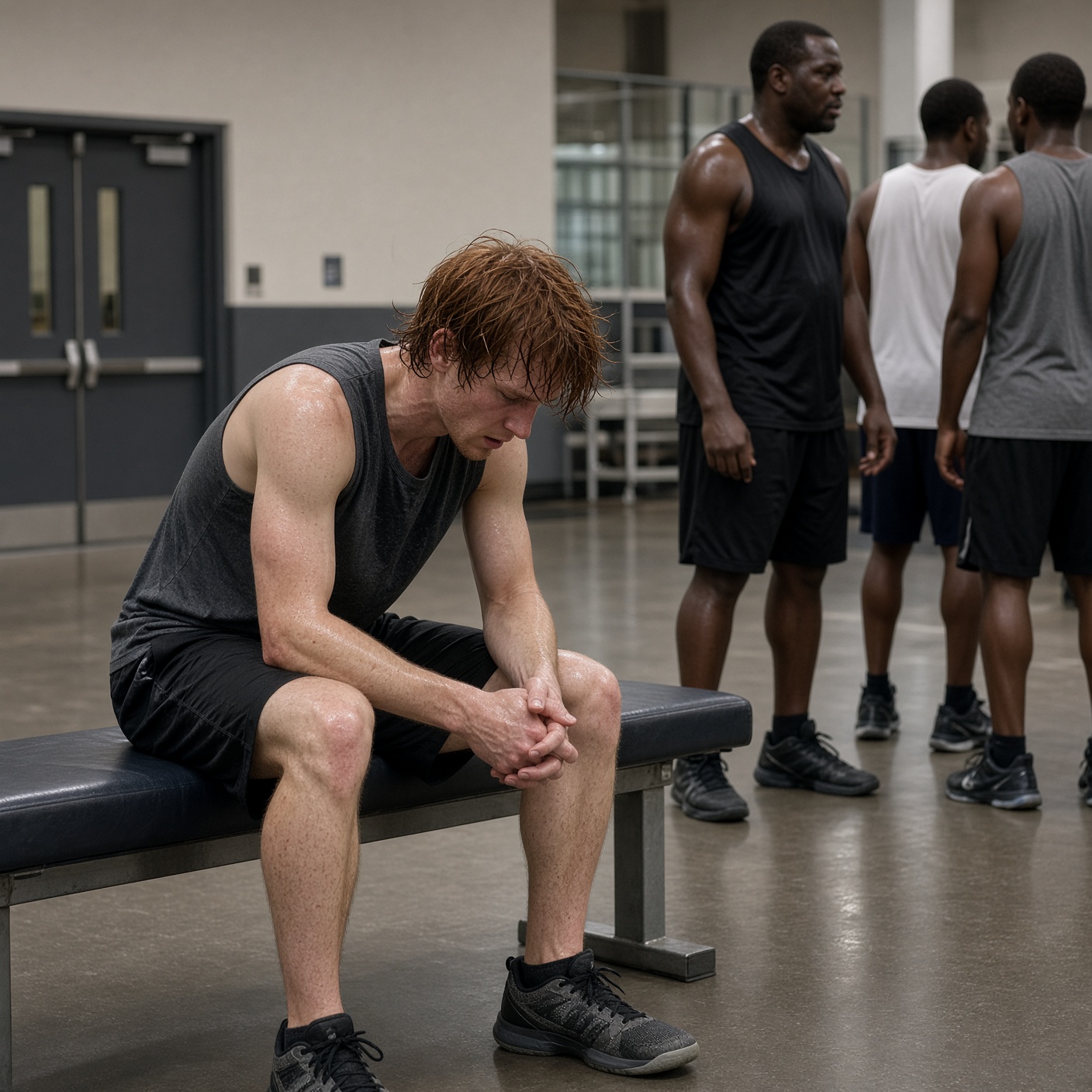
When a man's nervous system is still responding to a past threat, it often shows as aggression before it shows as fear. Anger is socially legible for men in a way that vulnerability is not — so the nervous system reaches for what it is allowed. The result is a man who seems quick to anger, hard to reach, always slightly on edge — not a man who is frightened and has no safe place to put it.
Men with PTSD are more likely to use alcohol or substances to manage what they cannot otherwise put down. They are more likely to throw themselves into work, into risk, into anything that keeps them moving fast enough not to feel. Emotional numbness — the inability to feel close to people they love, to feel joy, to feel anything clearly — is one of the most common and most isolating symptoms men describe.
Because these patterns look like character — like a man who is difficult, or cold, or has a drinking problem — the trauma underneath often goes unidentified for years. Sometimes for decades. Sometimes forever.