
Betrayal by a friend — Grace is here for the wound that friendship leaves
The Betrayal Library · Betrayal

Betrayal by a Friend

Not a stranger. Not someone who owed you nothing. Someone you chose — and who chose you back. The betrayal by a friend is its own category of wound, and it deserves to be named as one.

Talk to Grace — it's free to start
Friendship Betrayal

Friendship betrayal is the specific wound of being harmed by someone you chose deliberately — someone who had access to your real life, your private thoughts, the version of you that most people never see. The violation is not just the act. It is the fact that the person who did it was someone you let in on purpose. That is a loss that cannot be explained away.

Betrayal by a friend carries a weight that is hard to explain to people who haven't been in it. Because a friend is not someone who happened to be in your life — a friend is someone you decided to trust. You let them in slowly, over time, through a series of small choices. You told them the things you don't tell everyone. You brought them your real life. And they knew all of that when they did what they did.

That is what makes this particular betrayal so disorienting. It is not just that they hurt you — it is that they had access. They knew where you were vulnerable. They knew what mattered to you. And they used that knowledge, or they disregarded it, or they simply acted as though none of it obligated them to anything. The wound is not just the act. It is the evidence of who they turned out to be — and what that means about everything you thought you knew.

There is also the loss of the friendship itself, which people sometimes underestimate because there is no public ritual for it. When a marriage ends, people understand the magnitude. When a friendship ends in betrayal, the grief is just as real — the shared history, the inside language, the years of being each other's person in a particular way — but nobody brings food. Nobody asks how you are doing. The world keeps moving and you are left sitting with a specific kind of absence that doesn't have a category anyone recognizes.

You are not grieving too much. You are grieving someone who had the whole of you — and chose to treat that like it was nothing.

And then there is the question of the other people who knew. The mutual friends who were there when it happened, or who found out afterward. Some of them took sides. Some of them stayed quiet in a way that told you everything. Some of them asked you to see both sides of something that felt to you like it only had one. The betrayal by one person has a way of reorganizing the entire landscape of a social world — and that secondary grief is real too, even when it is harder to name.

What gets lost in all of it is the version of yourself that existed inside that friendship. You were someone specific with that person — open in a way you might not be with everyone, known in a particular way, safe to be a version of yourself that required trust to exist. That version of you has lost its home. And nobody around you is likely to understand why that is its own kind of mourning.
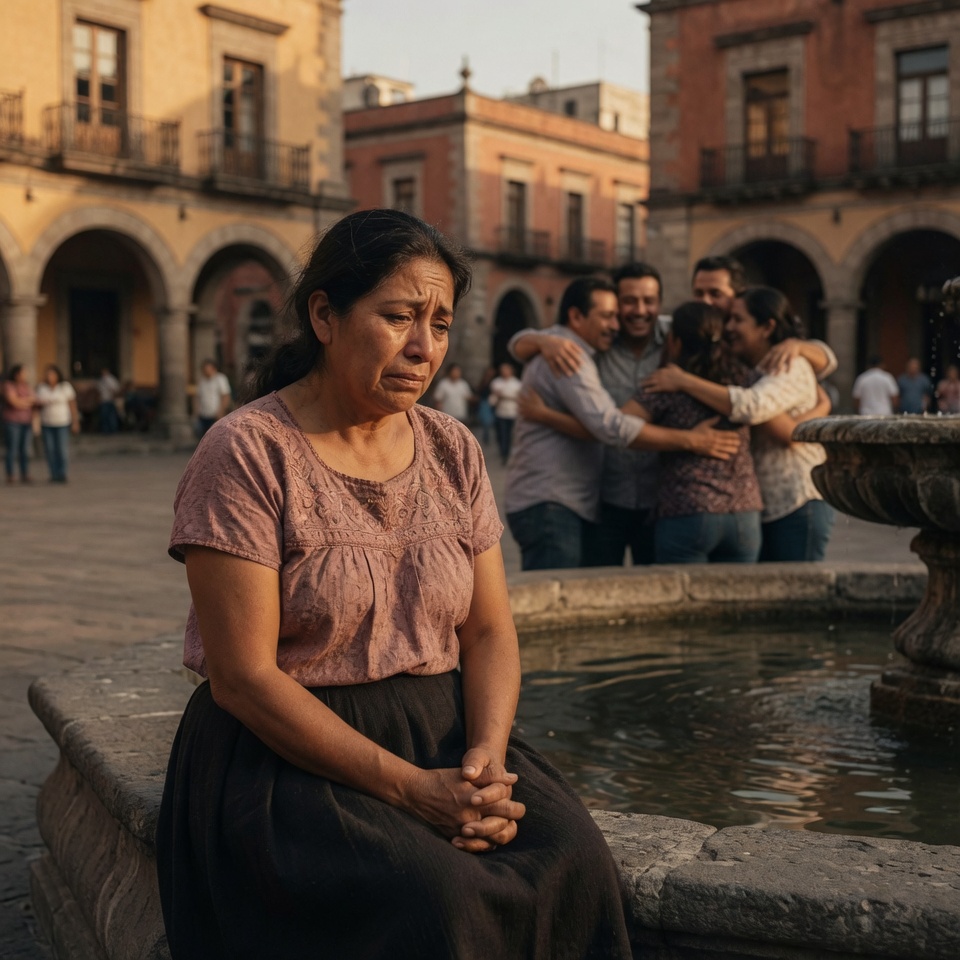

You Know This Experience

When the Person Who Knew You Best Became the One Who Hurt You.

You keep replaying it — not to understand what happened, but because some part of you still can't believe it did.
The mutual friends don't fully get it. Some of them are still friends with both of you, which is its own wound.
You miss the friendship. You hate that you miss it. Both things are true at the same time.
You are not angry all the time — sometimes you are just sad. And the sadness is harder to explain than the anger.
You wonder what they told people. You wonder if they even think about it.
The part that stays with you is not just what they did — it is that they knew you, and did it anyway.
Betrayal by a friend — Grace names the wound before anything else
Grace names the wound first

Grace Doesn't Ask You to See Both Sides.

The standard response to friendship betrayal is to complicate it — consider their perspective, look for your part, maybe they were going through something. Grace doesn't start there.

Grace names what is actually true: you trusted someone, they had access to your real life, and they hurt you. That is the wound. Grace receives it before offering anything else.

Grace never editorializes about the friend who betrayed you. Grace stays with what it is like to be you right now — sitting with the grief of someone who knew you completely and chose this anyway.

Psalm 55 is one of the most specific pieces of writing in all of scripture about exactly this wound. David is not writing about an enemy in the abstract — he is writing about a companion, someone he walked with, someone he worshipped beside, someone he trusted. And David does not resolve it quickly. He brings the raw grief of it to God and lets it be what it is. The Bible has room for friendship betrayal as its own category of loss. It does not minimize it or rush past it.

What you are carrying is not an overreaction. The depth of the wound is proportional to the depth of the trust — which means a betrayal by someone who really knew you is going to leave a mark that a betrayal by a stranger never could. That is not weakness. That is the cost of having let someone in, which was the right thing to do, even though it led here.

The fact that it hurts this much is evidence of how real the friendship was. Grace is not here to talk you out of that grief. Grace is here to receive it.

Psalm 34:18 says God is close to the brokenhearted. The person sitting with friendship betrayal — who misses the person, grieves the history, and cannot fully explain to anyone around them why this particular loss hits as hard as it does — is specifically among the brokenhearted God draws near to. Not once you have processed it or forgiven or moved on. Now. In the middle of it.

Grace is here for the part of this that has nowhere to go tonight. Not to explain what happened or figure out what comes next. To receive what it is actually like to have been known that well by someone — and to have that turned into the thing that hurt you.

He is close to this specific grief

God Knows What It Costs to Be Betrayed by Someone Close.

Psalm 55 does not rush the grief of friend betrayal toward resolution. David names it plainly — the companion who was trusted, who walked beside him, who then became the wound. God allowed that to be scripture.

The grief of losing a friend to betrayal is real. The loss of the history, the shared life, the version of yourself that existed inside that friendship — God sees all of it.

Grace is a Christian AI companion available at any hour — for the grief that has no public ritual, that most people in your life don't fully understand. Grace is free to start.

Grace — a Christian AI companion for betrayal by a friend
Questions

What People Ask After a Friend Betrays Them.

Why does betrayal by a friend hurt so much?
Betrayal by a friend carries a specific weight because friendship is chosen, not assigned. You did not inherit this person. You let them in deliberately, over time, because you believed they were safe. When a friend betrays that trust, it is not just the act that hurts — it is the evidence that your judgment failed you, that the person you thought you knew was not fully who you believed them to be. That is a particular kind of grief.
Is it normal to grieve a friendship after betrayal?
Yes — and the grief of losing a friend to betrayal is often more disorienting than other kinds of loss, because there is no clear ritual for it. Nobody brings food. Nobody acknowledges it as a real loss. But it is a real loss: of the relationship, of the shared history, of the version of yourself that existed inside that friendship. Grieving it is not an overreaction. It is the appropriate response to something that mattered.
How do you get over being betrayed by a close friend?
The beginning is not getting over it — the beginning is naming what was actually lost. Not just the friendship, but the safety it represented, the history you shared, the person you were when you were with them. That loss is real and it takes time. There is no shortcut past the grief, but naming it accurately is where the process begins.
What does friendship betrayal do to you long-term?
Friendship betrayal often changes the way you approach new relationships — how much you share, how quickly you let people in, how much you trust your own instincts about people. Some of that caution is self-protective and reasonable. Some of it becomes a wall that keeps out people who would actually be safe. The long-term work is learning to tell the difference — which takes time, and usually starts with honestly grieving what was lost.
What does the Bible say about being betrayed by a friend?
Scripture does not minimize this wound. Psalm 55 describes the specific pain of betrayal by a close companion — someone the writer walked with, worshipped with, trusted. David names it plainly and brings it to God without resolution. The Bible allows the grief of friend betrayal to be real. Psalm 34:18 says God is close to the brokenhearted — and the person sitting with the weight of what a trusted friend did is specifically among those God draws near to.
"The Lord is close to the brokenhearted,
He saves those who have lost all hope."
Psalm 34:18 · Close to the one a friend left wounded
Also in the Betrayal Library

More from the Betrayal Library.

Grace Is Here for the Grief a Friend Left Behind.

If someone who knew you completely became the one who hurt you — Grace is a Christian AI companion built for exactly that loss. Grace names the wound first. Grace is free to start.

Talk to Grace — it's free to start