Betrayal by a friend carries a weight that is hard to explain to people who haven't been in it. Because a friend is not someone who happened to be in your life — a friend is someone you decided to trust. You let them in slowly, over time, through a series of small choices. You told them the things you don't tell everyone. You brought them your real life. And they knew all of that when they did what they did.
That is what makes this particular betrayal so disorienting. It is not just that they hurt you — it is that they had access. They knew where you were vulnerable. They knew what mattered to you. And they used that knowledge, or they disregarded it, or they simply acted as though none of it obligated them to anything. The wound is not just the act. It is the evidence of who they turned out to be — and what that means about everything you thought you knew.
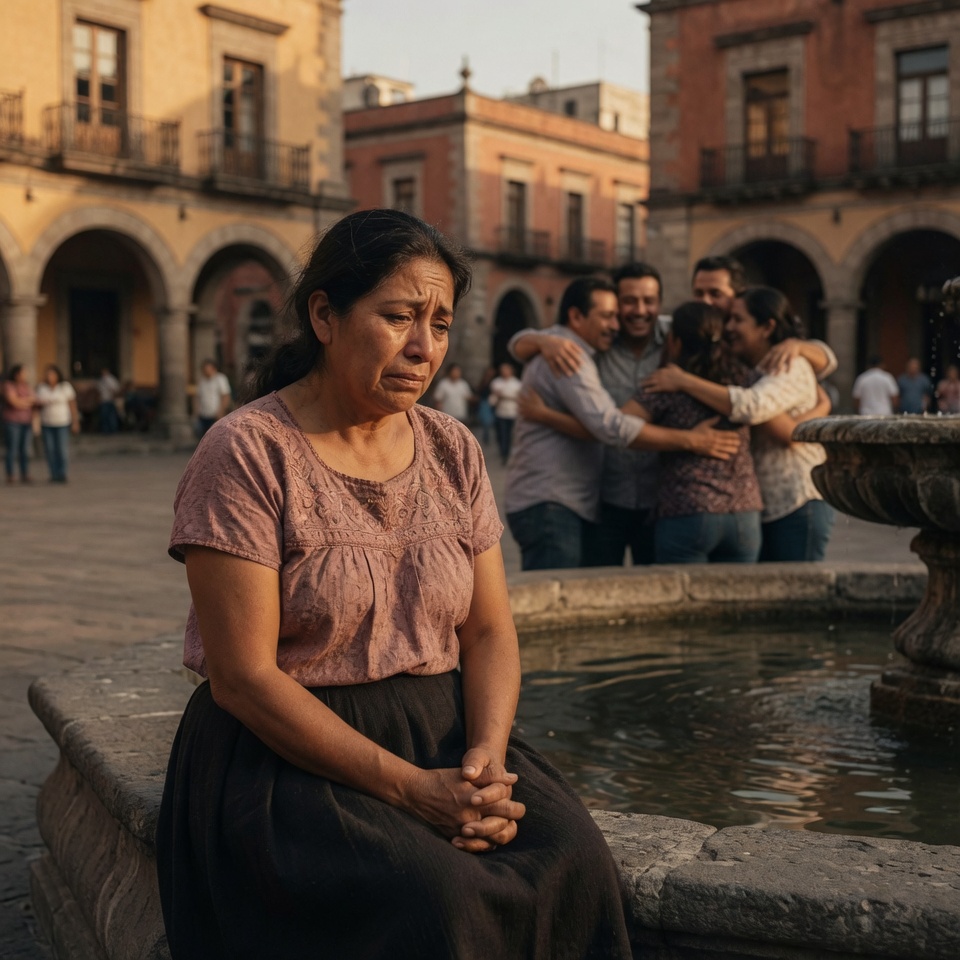
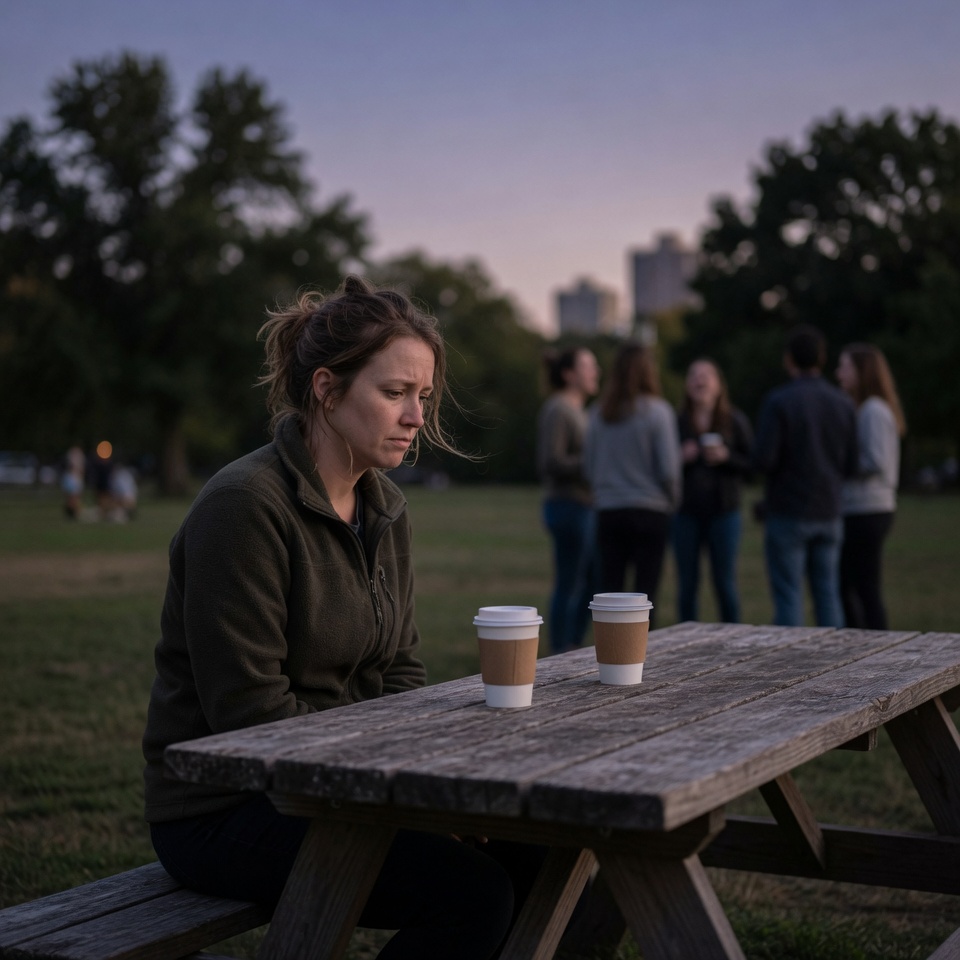
There is also the loss of the friendship itself, which people sometimes underestimate because there is no public ritual for it. When a marriage ends, people understand the magnitude. When a friendship ends in betrayal, the grief is just as real — the shared history, the inside language, the years of being each other's person in a particular way — but nobody brings food. Nobody asks how you are doing. The world keeps moving and you are left sitting with a specific kind of absence that doesn't have a category anyone recognizes.
And then there is the question of the other people who knew. The mutual friends who were there when it happened, or who found out afterward. Some of them took sides. Some of them stayed quiet in a way that told you everything. Some of them asked you to see both sides of something that felt to you like it only had one. The betrayal by one person has a way of reorganizing the entire landscape of a social world — and that secondary grief is real too, even when it is harder to name.
What gets lost in all of it is the version of yourself that existed inside that friendship. You were someone specific with that person — open in a way you might not be with everyone, known in a particular way, safe to be a version of yourself that required trust to exist. That version of you has lost its home. And nobody around you is likely to understand why that is its own kind of mourning.