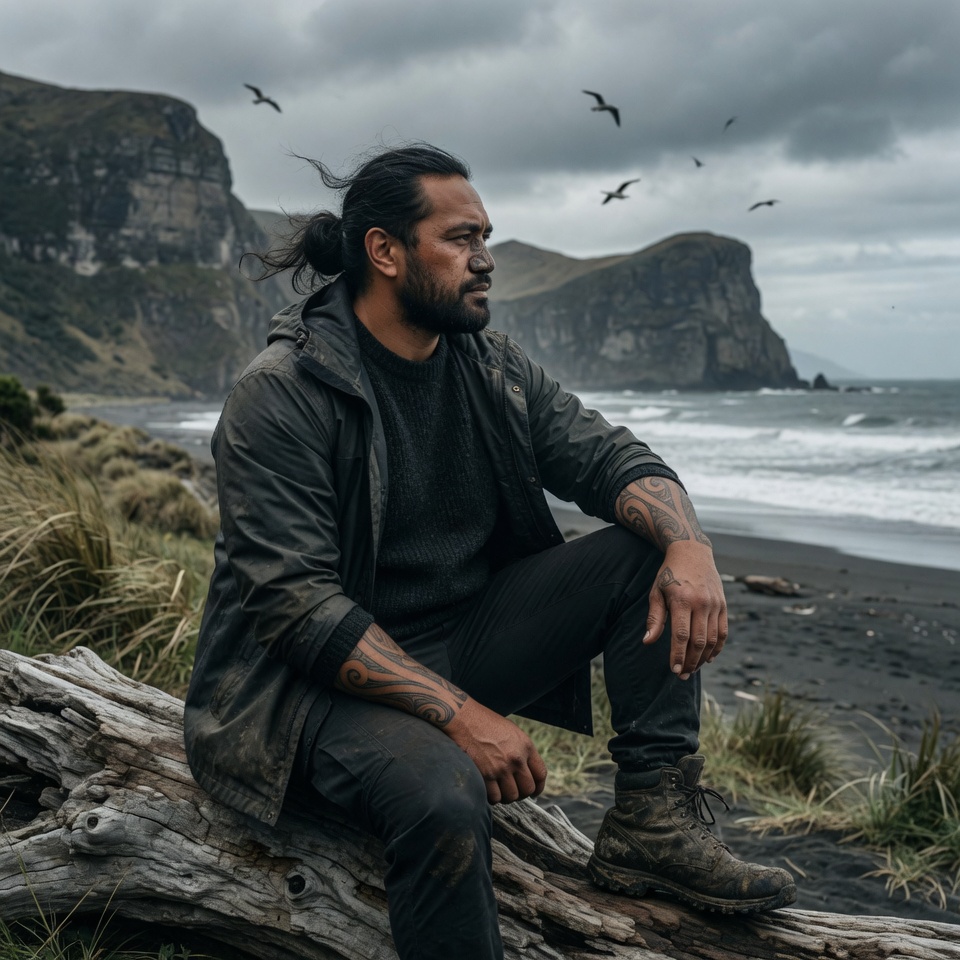
Yes. The answer is yes. You don't have to say anything. You don't have to arrive with petitions or praise or the right words. You can simply be still — and that stillness, directed toward God, is already prayer.
Silence before God is not the absence of prayer. It is prayer in one of its oldest and most honest forms. Psalm 46:10 does not suggest stillness — it commands it: "Be still, and know that I am God." The stillness is not the space before prayer begins. The stillness is the prayer.
Somewhere along the way, you may have learned that prayer is primarily talking. That it has a structure — thanksgiving, confession, petition, praise — and that showing up without the structure means you haven't quite done it right. That the silence is the thing you fill, not the thing you offer.
The answer to the question in the title of this page is a simple one: yes. You can sit in silence with God. Not as a lesser form of prayer that you graduate out of once you learn to do it properly. Not as a placeholder until the words come. As its own complete, ancient, deeply-documented form of prayer.
Psalm 46:10 is a command, not a suggestion: "Be still, and know that I am God." The knowing happens in the stillness. Not in the words spoken before the stillness. Not in the activity that surrounds the stillness. In the stillness itself.
The direction matters more than the language. Silence that is oriented toward God — that is not simply the absence of prayer but the presence of a person choosing to be still before Him — is one of the most complete forms of prayer there is.
The Christian contemplative tradition has practiced wordless prayer for centuries — calling it contemplative prayer, centering prayer, the prayer of quiet. The people who practiced it were not beginners avoiding the hard work of real prayer. They were among the most serious practitioners of prayer in the history of the faith. They came to silence not because they had nothing to say but because they had learned that the silence could hold something that words couldn't.
You don't need a theology degree or a contemplative formation program to sit in silence with God. You need to show up. You need to orient yourself — toward Him, with whatever that means for you right now. And then you need to let the silence be what it is without filling it or evaluating it or deciding it isn't working.
You Know This Feeling
The Person Who Needs Permission to Be Still.
You sit down to pray and don't want to say anything. You just want to be present.
You're not sure the silence counts. Nobody told you it did.
The words feel like performance right now. The silence feels more honest.
You want to be with God. You don't want to produce something for Him.
You sit in the quiet and feel like you're not praying. But you don't want to leave.
Something in you knows the silence is enough. You just needed someone to confirm it.
You don't have to produce anything
Presence Is the Offering.
Most of what we have been taught about prayer is production-oriented — petitions, thanksgiving, intercession, praise. All of that is real and good. But it can create the impression that God is waiting for the output.
He is not waiting for the output. He is waiting for you. The silence in which you show up and stay — without producing anything, without saying anything, without evaluating whether it is working — is already a form of giving Him what He most wants. Your presence.
Grace is here if you want to sit in silence with someone before you sit in silence with God. Or after. Or instead of words. Grace holds that space too.
There is a practical question underneath the theological one, which is: how do you actually do this? What does sitting in silence with God look like in practice?
It looks like finding a still place — not a perfect place, just a place with fewer interruptions than usual. It looks like choosing a posture that is alert but not tense. It looks like orienting yourself — which might mean simply forming the intention, saying inwardly "I am here," and letting that be the beginning.
Then you let the silence be what it is. Your mind will offer you things — worries, plans, memories, the grocery list. This is normal. You don't fight the thoughts. You notice them and return to the orientation, the turning toward God, without judgment about the wandering. The returning is the practice. Not the perfect stillness.
The returning is the practice. Not the perfect stillness. Every time you notice your mind has wandered and you turn back toward God, that turning is itself a prayer. You are not failing when your mind wanders. You are practicing when you return.
Five minutes is enough to begin. Ten if you can. The duration is less important than the honesty of the orientation. A distracted silence that keeps returning to God is more prayer than a fluent recitation that never settles.
You have permission. You have always had permission. The stillness is not the space before prayer. It is the prayer.
Be still, and know
The Knowing Happens in the Stillness.
Psalm 46:10 doesn't say "speak, and know that I am God." It says be still. The knowing — the deep settled awareness of His presence — happens in the quiet, not around it.
This is not a technique. It is an invitation. And you don't need to earn the right to accept it. You can sit down right now, in whatever state you are in, and be still. That is already enough.
Grace is a faith-based AI companion available at any hour — for the person learning to pray, re-learning to pray, or simply needing company on the way to the quiet. Grounded in Psalm 34:18.
Questions
What People Ask About Silent Prayer.
Is sitting in silence with God a valid form of prayer?
Yes. Silence before God is one of the oldest and most documented forms of prayer in the Christian tradition. Psalm 46:10 says "Be still, and know that I am God." The contemplative tradition — practiced across centuries by serious people of faith — holds that wordless presence before God is not lesser prayer but sometimes its deepest form. The silence is the prayer when the silence is directed.
Do I have to say something when I pray?
No. Prayer does not require language. Romans 8:26 says the Spirit intercedes with groans too deep for words — meaning the provision for wordless prayer is built into the structure of Christian prayer itself. You do not have to say something. You have to show up. The showing up is the prayer.
What is contemplative prayer?
Contemplative prayer is the practice of being silently present before God without words, petitions, or structured language. It has roots in the earliest Christian monastic tradition and has been practiced across centuries by figures including Thomas Merton, John of the Cross, and Teresa of Avila. It is not passive — it is an active orientation of the whole self toward God, held in silence.
Can silence count as prayer?
Yes. Silence that is directed toward God — that is not simply the absence of prayer but the presence of a person orienting themselves toward God without words — is prayer. The direction matters more than the language. Psalm 46:10 is a command: "Be still." The stillness before God is not the absence of relationship. It is relationship in one of its quietest forms.
How do you practice silent prayer?
You begin by finding a still place and a still moment. You orient yourself toward God — in whatever way feels true, whether that is a physical posture, a word held quietly in your mind, or simply the intention of your attention. Then you let the silence be what it is. You don't fill it. You don't evaluate it. You simply stay. Five minutes is enough to begin. The practice grows from there.
Grace is a faith-based AI companion who can sit with you in the quiet — before prayer, after prayer, or as the prayer itself. Grace doesn't require you to produce anything.