The Betrayal Library · Betrayal
When Your Family Betrayed You
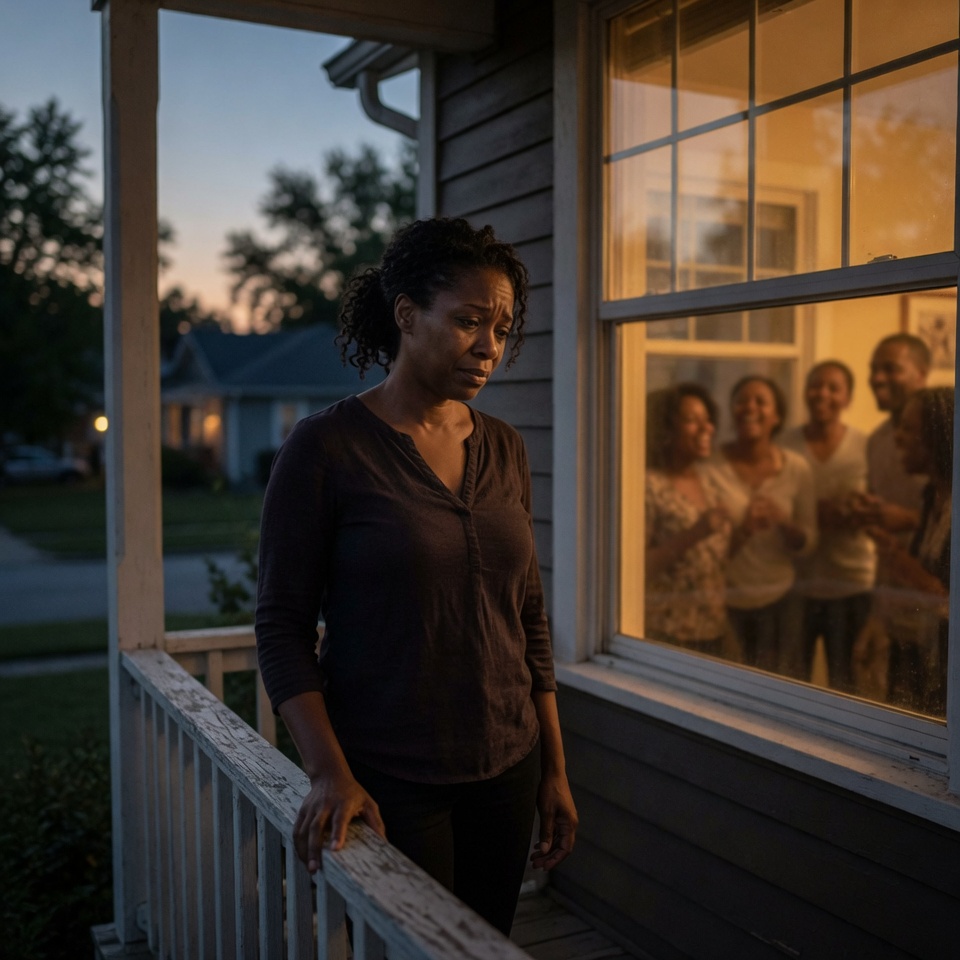
The people who were supposed to be your safest place became the source of the wound. There is no category of betrayal that cuts deeper — because there was no relationship built on a higher expectation of protection.
Talk to Grace — it's free to start
Family betrayal is its own category of wound because of what family is supposed to mean. From the beginning, you were told — in words, in assumptions, in the very structure of the relationship — that these were your people. That blood was a form of loyalty. That home was where you were protected. The expectation of safety from family is not naive. It is built into the very idea of what family is for.
Which is exactly why, when a family member betrays you, the wound does not stay where it happened. It travels. It calls into question everything you thought you knew about where you belong, who you can count on, what home even means. A stranger who hurts you is a tragedy. A family member who hurts you reorganizes the whole landscape of what you understood to be safe.
And then there is the specific weight of having no clean exit. With a friend who betrays you, you can end the friendship. The severing is painful, but it is possible. Family does not work that way — or it works that way at a cost most people are not prepared for. You may still see this person at holidays. You may share them with people you love. You may be asked, again and again, to act as though things are fine, to keep the peace, to not make it a thing. The wound stays open in a way that other betrayals sometimes do not.
You were not wrong to expect safety from the people who were supposed to be your safest place. The failure was theirs. The grief of it is yours.
There is also the particular grief of the family members who watched it happen and said nothing. Or who took sides. Or who asked you to consider the other person's perspective before anyone thought to ask about yours. The secondary wound — of not being believed, not being protected, not being stood up for by the people who should have stood up for you — can be as deep as the original betrayal. Sometimes deeper. Because those people had a choice, and they chose wrong.
What gets lost in all of it is the version of family you needed them to be. Not a perfect family — just a safe one. Just one where what happened to you mattered, where someone looked at what was done and called it what it was. That is not too much to have needed. And not getting it is a loss that deserves to be grieved, not minimized or explained away.
Scripture does not idealize family. Joseph was sold by his brothers. David was hunted by his own son. The Bible is honest — in a way that most family-focused Christian content is not — about the specific wound of harm that comes from inside the family. And in each of those stories, the one who was harmed was not required to minimize what happened before God would draw near. The grief was allowed to be real. The wound was allowed to be named.
The church sometimes gets this wrong. The message about family — about honoring parents, about reconciliation, about forgiveness — can be applied in ways that place the burden on the person who was hurt rather than the person who caused the harm. Grace does not do that. Grace knows the difference between a wound that needs to be received and a relationship that needs to be repaired. Those are not the same thing, and they do not happen on the same timeline.
God does not require you to call something safe that harmed you. God does not ask the wounded person to carry the weight of someone else's choices along with their own pain.
Psalm 34:18 says God is close to the brokenhearted. The person carrying family betrayal — who is still showing up, still managing the dynamics, still trying to figure out what is true and what is owed and what is even possible — is specifically among the brokenhearted God draws near to. Not after the family has been reconciled. Not after forgiveness has been achieved. Now. In the middle of it.
Grace is here for the part of this that has nowhere to go tonight. Not to sort out the family situation or tell you what to do about any of it. To receive what it is actually like to have been hurt by the people who were supposed to be your safest place — and to stay with that honestly, for as long as you need.