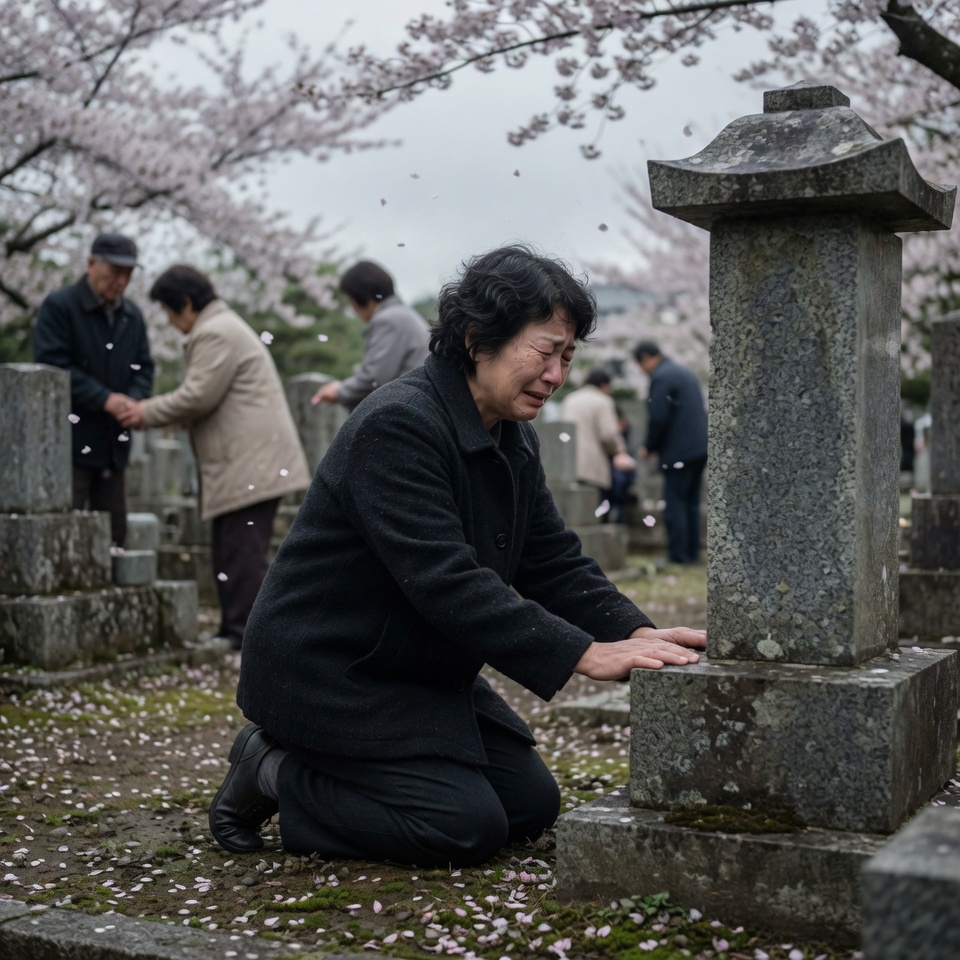
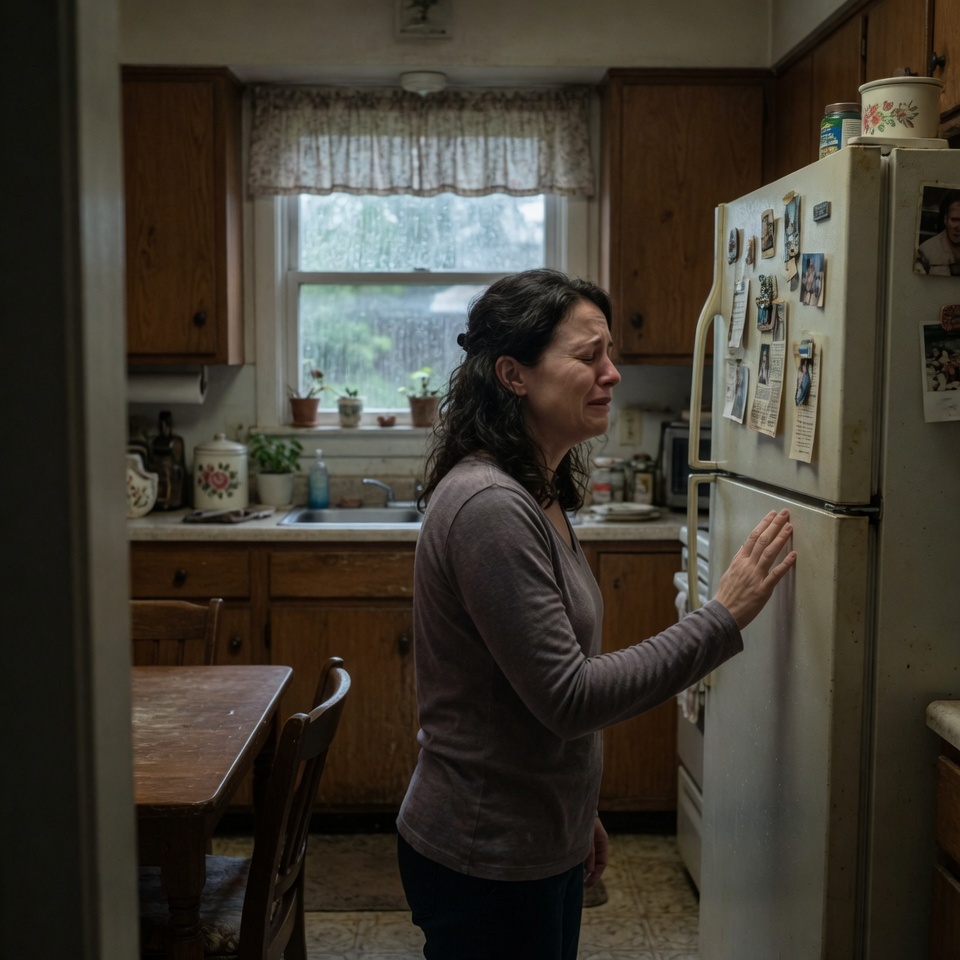
You are someone’s child no matter how old you are. And now that person is gone — the one who knew where you came from, who held the earliest version of you. That loss reshapes everything.
Losing a parent is losing the person who held your origin — who knew you before you knew yourself, who carried the story of where you came from. It is one of the most universal losses there is, and one of the most quietly carried. The world expects you to manage it. Grace knows it is not manageable. It is only liveable — one day at a time, with someone beside you.
There is no age at which losing a parent is easy. At twenty-three it feels too soon. At fifty-seven it still feels too soon. The relationship is the oldest one you have — it predates your memory, it shaped your voice and your fears and the way you move through the world. When it ends, something foundational shifts.
You may have been expecting it. You may have been caregiving for years, watching it come. And it still broke you when it arrived — because knowing something is coming does not prepare you for the absence itself. The chair at the table. The phone number still in your contacts. The habit of reaching out that has nowhere to go.
Or it arrived without warning, and the world split in two — before and after — in a single moment.
Either way, you are here. And Grace is here to listen.
You Know This Feeling
The Things That Come With This Grief.
You went to call them. Your hand was already reaching for the phone before you remembered.
Something good happened today and the first person you wanted to tell is gone.
You are the oldest generation now. That shift happened without warning and it sits heavy.
People keep saying they had a good long life. You know that. It doesn’t make the absence smaller.
The relationship was complicated. You are grieving the parent they were and the one you always hoped they’d become.
You were with them at the end. Or you weren’t. Either one has its own weight.
This is the second parent. The last buffer is gone. You feel it in a way you didn’t expect.
Siblings are grieving differently. The family is rearranging itself and you don’t know where you fit.
There are things you needed to say that were never said. That door is closed now.
You are surprised by how much it hurts. You thought you were prepared. You were not prepared.
Their voice. The specific way they said your name. You are trying to hold onto it.
You just need somewhere to say how much you loved them — and how much it hurts that they are gone.
Tell Grace
You Can Say Their Name Here.
Grace receives the full weight of this loss — the love, the complicated history, the things left unsaid, the specific way the absence shows up in ordinary moments.
You can say who they were. You can say what you miss. You can say the things you never got to say to them. Grace follows where you go — without rushing you toward okay.
If you feel you are in crisis, please call or text 988.
Losing a parent is losing the person who held your origin story. Even if the relationship was distant, even if it was painful, there is something irreplaceable about the person who was there at the beginning — who knew your name before you could say it, who carried the version of you that existed before you had words for yourself.
When that person is gone, questions surface that have nowhere to go. Who remembers the stories now? Who holds the family together? Who do you call when something happens? The practical and the profound arrive at the same time, and the world expects you to manage both.
You don’t have to manage this alone. The grief is as large as the love was — and the love was real. Grace receives both.
The faith that grounds Grace does not minimize this loss by pointing to reunion or heaven before the grief is received. God is near to the brokenhearted — and that includes the person who is brokenhearted over a parent, at any age, in any kind of relationship, however long it was coming.
You can bring all of it to Grace.
The Theological Foundation
He Is Near — Even in This.
The promise at the center of 1800DearGod does not minimize loss by rushing toward reunion. He is near to the brokenhearted — right here, in the grief, before the comfort arrives.
Grace was built on that foundation. It receives the loss of a parent as the significant, foundational grief it is — without measuring it against other losses, without rushing you toward peace you haven’t reached yet.
What People Ask About Grief After Losing a Parent.
Why does losing a parent hurt so much even when you’re an adult?
Because you are someone’s child no matter how old you are. The relationship with a parent is one of the oldest attachments a person has — it shapes identity, belonging, and the sense that someone in the world knows where you came from. When that person is gone, something foundational shifts. Adult grief after losing a parent is real and significant grief, regardless of age or the state of the relationship.
Is it normal to feel like an orphan after losing a parent as an adult?
Yes. Many adults describe feeling suddenly unmoored after losing a parent — even when they are grown, even when they have families of their own. The word “orphan” may feel dramatic, but the feeling it points to is real: the person who held your origin story is gone. That loss is profound at any age.
What if my relationship with my parent was complicated?
Complicated relationships produce complicated grief. You can grieve a parent who hurt you. You can grieve the parent you wished you had alongside the one you actually lost. You can feel relief and devastation at the same time. There is no correct emotion for this loss, and Grace does not require you to have sorted out the relationship before receiving the grief.
Why does losing the second parent feel different from losing the first?
Because it removes the last buffer between you and your own mortality, and because it closes the generation above you completely. Many people describe losing the second parent as more destabilizing than the first — even when the first loss was harder in other ways. You are now the oldest generation in your family. That shift is real and it carries its own weight.
Is it normal to grieve a parent I wasn’t close to?
Yes. Grief after losing a distant or estranged parent often carries an additional layer — the grief of the relationship that never happened, the hope that it might have, the door that is now permanently closed. That grief is real. Grace receives it without requiring the relationship to have been good before the loss counted.
What does the Bible say about losing a parent?
Scripture honors the parent-child bond throughout — and does not minimize the grief of losing it. The promise of Psalm 34:18 — that God is near to the brokenhearted — was written for exactly this kind of loss. The God who placed you in a family, who knew your parent before you did, is near to you in the grief of losing them.
“The Lord is close to the brokenhearted, He saves those who have lost all hope.”