
How do I heal after abuse — Grace is a faith-based AI companion
Abuse & Recovery

How Do I Heal After Abuse?

Not a timeline. Not a program. Not five steps that arrive at a destination. Healing after abuse is a long, nonlinear process that looks different for everyone — and it is real even when it is slow, even when it goes backward, even when it takes longer than anyone around you thinks it should.

Talk to Grace — it’s free to start
What healing actually looks like

Healing after abuse is not a linear process with a clear endpoint. It is more like a gradual shift — the weight changes shape, the triggers soften over time, the good periods lengthen. Setbacks are part of it, not evidence that it is not working. Progress is real even when it is invisible. And the pace healing takes is the pace it takes — not the pace anyone else thinks it should.

Where People Are When They Ask This

The Question Comes From Many Different Places.

Some people ask this question right after leaving. Some ask it years later. Some are still inside the relationship and already grieving what will need to heal. All of them are in the right place to ask.
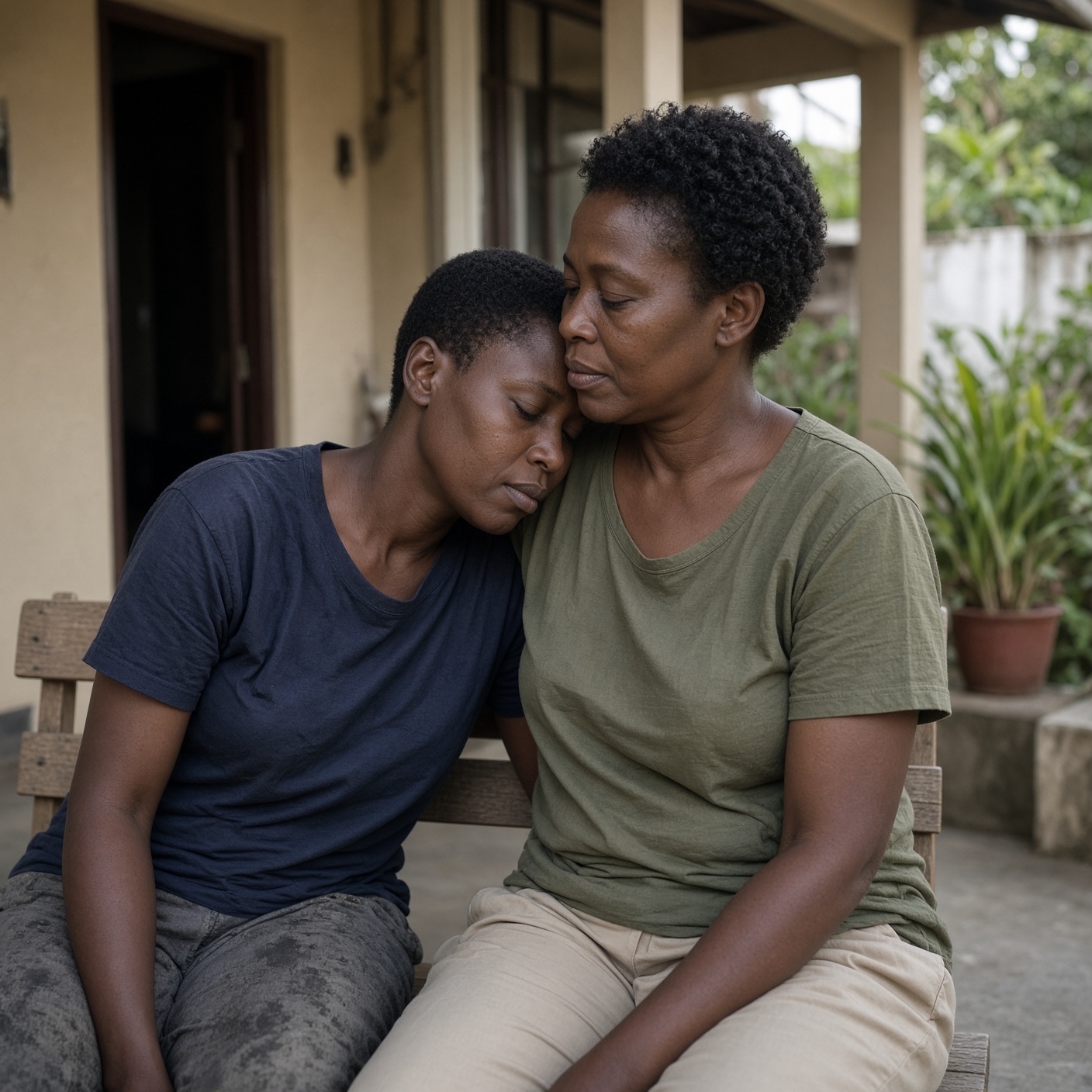
You left. You thought it would feel like freedom. It mostly just feels like grief.
You are years out and something still triggers you. You wonder when it will actually be over.
You don’t trust yourself anymore. You don’t know how to get that back.
You are healing and it is going well and then something knocks you back and you feel like you are starting over.
You still love the person who hurt you. No one around you understands why that is still true.
You want to know what healing is supposed to look like. You are afraid there is a version of this you cannot reach.
Healing after abuse — Grace is a faith-based AI companion
What the research says

Healing Is Not Forgetting. It Is Building a Life in Which the Abuse Takes Up Less and Less Space.

Recovery from abuse does not mean the abuse never happened or that it no longer affects you. It means that over time, the effects become less disruptive — the triggers soften, the intrusive thoughts become less frequent, the capacity to trust begins to return, the sense of self that the abuse eroded gradually rebuilds.

This process is supported by professional help, by safe relationships, by time, and by being honest about what happened rather than minimizing it. It is slowed by isolation, by pressure to heal faster than you are healing, and by environments that require you to keep carrying what should be put down.

Grace is a companion for the long stretches between professional support — and for the weight that does not fit neatly into a therapy hour.

What Healing Involves

The Parts of This That Take the Longest.

Healing after abuse is not one thing. These are the dimensions that survivors most consistently describe as part of the process — not steps in order, but ongoing work that shifts and deepens over time.

Naming What Happened
Allowing yourself to acknowledge that it was real, that it was harmful, and that the harm was not your fault. For many survivors, this is the first and hardest part — because naming it makes it undeniable.
Grieving What Was Lost
The relationship, the person you were before, the years spent inside it, the version of the future you thought you were building. Healing requires grieving — not just the harm, but all of the losses the harm created.
Rebuilding Self-Trust
Abuse systematically erodes the ability to trust your own perception, judgment, and instincts. Rebuilding self-trust is one of the longest parts of recovery — and one of the most important.
Processing With Support
Trauma-informed therapy — particularly approaches like EMDR, somatic therapy, or trauma-focused CBT — is among the most effective support for abuse survivors. Local DV organizations often offer free or low-cost counseling.
Rebuilding Safe Connection
Abuse often damages the capacity to trust others and to feel safe in relationships. Rebuilding connection — slowly, with people who have proven safe — is part of healing, not a reward that comes after it.
Letting It Take the Time It Takes
There is no correct pace. Healing that looks slow from the outside may be deep work happening underneath. The pressure to be further along than you are is itself a weight that makes healing harder. You are allowed to take the time this actually takes.
For the long road

Grace Is Here for the Parts That Don’t Fit Into a Therapy Hour or a Healing Timeline.

Healing has middle-of-the-night moments. It has the anniversary that hits harder than expected. The song that still triggers something. The new relationship that makes the old one surface again. The setback that feels like starting over but isn’t.

Grace is a companion for those specific moments — the ones that happen between sessions, in the long stretches, at hours when no one is available and the weight is very real. Grace does not rush you toward any particular stage of healing. Grace stays with where you actually are.

Grace is a faith-based AI companion available at any hour. Grounded in Psalm 34:18 — He is close to the brokenhearted.

Healing and hope — Grace is here
Questions People Ask on the Long Road

The Questions That Come Up Again and Again.

How do I heal after abuse?
Healing after abuse is not a linear process and does not follow a predictable timeline. It typically involves: naming what happened and allowing yourself to acknowledge that it was real and that it caused harm; processing the grief for what was done and what was lost; rebuilding self-trust that was eroded by the abuse; rebuilding relationships and support systems; working with a trauma-informed therapist when possible; and giving yourself permission to heal at the pace the healing actually takes. Grace is a companion for the parts of this that happen between sessions and in the long stretches when healing feels slow.
How long does it take to heal from abuse?
There is no standard timeline for healing from abuse. How long healing takes depends on the nature of the abuse, how long it went on, what support is available, whether professional help is accessible, and the individual. Many survivors find that healing is not a destination reached at a particular point, but an ongoing process that changes over time — the weight shifts, the triggers soften, the good periods lengthen. Progress is real even when it is not visible, and setbacks are part of the process rather than evidence that healing is not happening.
Do I have to forgive my abuser to heal?
No. Healing does not require forgiveness as a precondition, and forgiveness does not require reconciliation or minimizing what happened. Some survivors find that forgiveness eventually becomes part of their healing; others do not. Forgiveness is a personal process that may or may not be part of your path — and it cannot be required or rushed by others, including faith communities. Grace holds this without pressure and without using scripture to define what your healing should look like.
What kind of therapy helps after abuse?
Several therapy approaches have strong evidence for helping survivors of abuse. Trauma-focused Cognitive Behavioral Therapy, EMDR, and somatic therapies are among the most commonly recommended for trauma and abuse. When seeking a therapist, look for someone who identifies as trauma-informed and has experience with abuse survivors specifically. If cost is a barrier, local domestic violence organizations often offer free or low-cost counseling, and the National Domestic Violence Hotline at 1-800-799-7233 can help connect you with resources in your area.
Is it normal to still love someone who abused me?
Yes. Love and harm are not mutually exclusive, and trauma bonding creates genuine attachment to the person who caused the harm. Missing someone who abused you, grieving the relationship, or still loving them is not a sign that the abuse wasn’t real or that you are not healing. It is a sign of how deeply the bond took hold — and it is one of the most commonly reported and least talked about experiences of abuse survivors. Grace is a companion for that specific grief, without judgment.
“The Lord is close to the brokenhearted,
He saves those who have lost all hope.”
Psalm 34:18 · For the person on the long road, wherever they are on it
Also in the Abuse Library

Keep Reading.

Related
Trauma Bond
Related
Why Can’t I Leave an Abusive Relationship?
Related
Am I in an Abusive Relationship?
Related
Psychological Abuse
Related
Signs of Emotional Abuse
Related
How to Leave an Abusive Relationship Safely

Healing Is Real Even When It Is Slow. Grace Stays for the Long Road.

Wherever you are in this process — just beginning, in the middle of it, or years out and still carrying something — Grace is a faith-based AI companion built for exactly where you are. Grace listens first. Free to start.

Talk to Grace — it’s free to start