
Trauma bond — Grace is a faith-based AI companion for abuse survivors
Abuse & Relationships

Trauma Bond

A trauma bond explains why you reach for the person who hurt you — why leaving feels like losing yourself, why you miss them even when you know what they did. It is not weakness. It is what certain kinds of harm do to the human nervous system.

Talk to Grace — it’s free to start
What a trauma bond is

A trauma bond is a strong emotional attachment formed between an abuse survivor and their abuser through cycles of harm and relief. The intermittent reinforcement of cruelty and warmth creates a neurological bond similar in structure to addiction. It is not a character flaw. It is a predictable human response to a specific and deliberately destabilizing dynamic.

What It Feels Like From the Inside

You Know What They Did. You Still Reach for Them. Both Things Are True.

A trauma bond does not respond to logic. You can understand exactly what is happening and still feel the pull. That is not failure. That is the nature of what a trauma bond is.

You left. Or you want to. And the pull back is stronger than anything you expected.
You miss them even when you remember clearly what they did.
After an incident, you wanted their comfort more than anyone else’s. Even theirs.
You find yourself defending them to people who are trying to help you see clearly.
You feel more yourself with them than without them — even though being with them is what broke you.
You wonder what is wrong with you. There is nothing wrong with you. There is something wrong with what happened to you.
Trauma bond — Grace is a faith-based AI companion
How it forms

The Bond Was Built by the Cycle. Not by Something Broken in You.

Trauma bonds form through intermittent reinforcement — the unpredictable alternation of harm and warmth that keeps the nervous system in a constant state of seeking relief. When relief finally comes, in the form of tenderness or reconciliation, the neurological response is disproportionately intense. The bond deepens precisely because of the harm, not despite it.

This is the same mechanism that makes certain kinds of addiction so difficult to break. The relief after the deprivation creates a reward signal stronger than what a stable, safe relationship produces.

Understanding this does not make the bond disappear. But it changes what it means about you — which is nothing. It means something about what was done to you.

What a Trauma Bond Creates

The Specific Effects That Make Leaving So Hard.

A trauma bond does not just create attachment. It creates a whole set of responses that make it harder to leave, harder to stay gone, and harder to trust yourself.

Attachment to the Abuser
Genuine emotional dependency on the person causing harm. The attachment is neurologically real and does not respond to decisions or logic — it has to be worked through, not simply overridden.
Withdrawal When Separated
Physical and emotional symptoms when contact is cut off — anxiety, depression, obsessive thinking, physical restlessness. These responses are neurologically similar to withdrawal from an addictive substance.
Defending the Abuser
Minimizing what happened, explaining it away, defending them to people who are trying to help. The bond creates a protective instinct toward the person who caused the harm.
Returning After Leaving
Going back — sometimes repeatedly — despite knowing what the relationship costs. Each return is not a failure of character. It is the bond reasserting itself in the absence of sustained support and distance.
Loss of Identity
A sense that you no longer know who you are outside the relationship. The abuser became the reference point for your sense of self — and leaving means rebuilding an identity that the relationship gradually dismantled.
Misreading the Bond as Love
The intensity of the attachment can feel like the deepest love you have ever experienced. That intensity is real. Understanding its source does not erase it — it just changes what it means about the relationship.
For the grief that has no simple name

Grace Is Here for the Missing. Even When What You Miss Was Hurting You.

One of the most isolating things about a trauma bond is that the grief is hard to bring to anyone. You miss someone who hurt you. The people around you think you should be relieved. The complexity of what you actually feel has nowhere to go.

Grace is built for that specific grief — the love and the harm at the same time, the missing and the knowing, the pull back and the understanding of why you can’t go.

Grace is a faith-based AI companion available at any hour. Grounded in Psalm 34:18 — He is close to the brokenhearted.
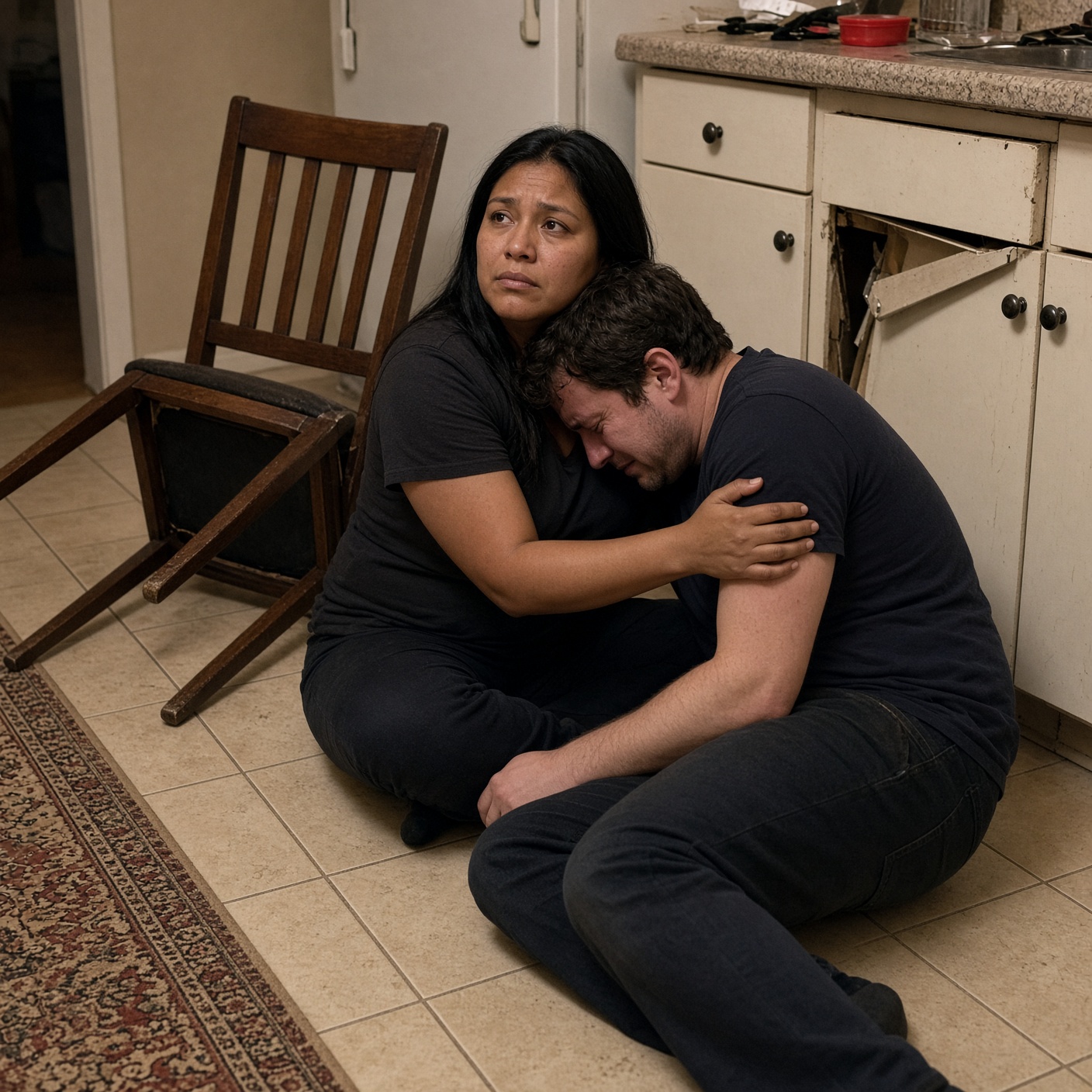
Healing from a trauma bond — Grace is here
Questions People Search Alone

What People Ask When They Start to Understand the Pull.

What is a trauma bond?
A trauma bond is a strong emotional attachment that forms between an abuse survivor and their abuser as a result of cycles of harm and relief. The intermittent reinforcement of punishment and reward — fear followed by tenderness, cruelty followed by warmth — creates a neurological bond that resembles addiction in its structure and intensity. Trauma bonds explain why people stay in or return to abusive relationships despite knowing the harm is real, and why leaving feels not like freedom but like loss.
What are the signs of a trauma bond?
Signs of a trauma bond include feeling unable to leave a relationship even when you know it is harmful, returning to the relationship after leaving, defending the person who hurt you to others, feeling more attached after incidents of harm, experiencing withdrawal-like symptoms when separated, prioritizing their needs over your own wellbeing, and feeling like you cannot function or know who you are without them. A trauma bond is not love gone wrong — it is a specific psychological response to a specific relationship dynamic.
Is a trauma bond the same as love?
A trauma bond can feel exactly like love — and the feelings involved are real. The distinction is in what created those feelings. Love that develops in a safe, mutual relationship is built on trust, respect, and genuine connection. A trauma bond is built on fear, intermittent relief, and the neurological response to cycles of harm. Both produce real emotional attachment. Understanding the difference does not make the feelings go away — but it helps explain why leaving feels so much harder than it should.
How do you break a trauma bond?
Breaking a trauma bond takes time and usually requires professional support — particularly from a therapist familiar with trauma and abusive relationship dynamics. The process involves understanding the bond, limiting or ending contact, rebuilding connections with safe people, processing the grief of the loss, and slowly rebuilding self-trust and identity. Grace is a faith-based AI companion for the parts of this process that happen between sessions, or in the moments when the pull feels overwhelming.
Why do I miss someone who hurt me?
Because the attachment is real even when the relationship was harmful. A trauma bond creates genuine neurological dependency — missing the person is not a sign that the relationship was good for you, it is a sign that your nervous system formed a real attachment to them. The missing is not evidence that you should return. It is evidence of how deeply the bond took hold, and of how much time and support healing will take. Grace is here for the specific grief of missing someone you know hurt you.
“The Lord is close to the brokenhearted,
He saves those who have lost all hope.”
Psalm 34:18 · For the person who loves someone who hurt them and cannot explain why
Also in the Abuse Library

Keep Reading.

Related
Why Can’t I Leave an Abusive Relationship?
Related
The Abuse Cycle
Related
Narcissistic Abuse
Related
How to Leave an Abusive Relationship Safely
Related
Am I in an Abusive Relationship?
Related
How Do I Heal After Abuse?

The Missing Is Real. Grace Will Not Ask You to Explain It.

If you are caught between what you know and what you feel — Grace is a faith-based AI companion built for exactly that place. Grace listens first. Free to start.

Talk to Grace — it’s free to start