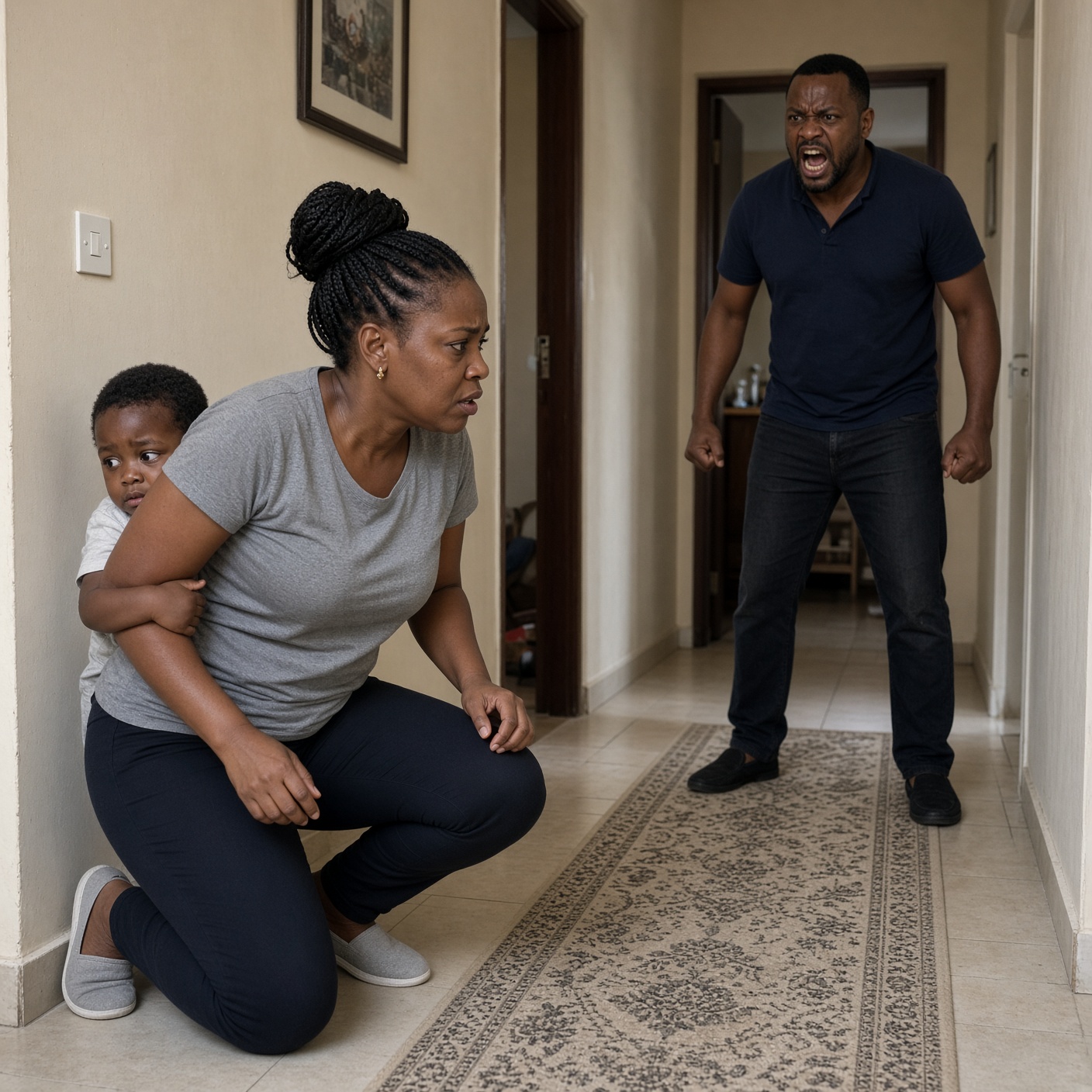
Domestic violence — Grace is a faith-based AI companion for abuse survivors
If you are in danger
Call 911 if you are in immediate danger  ·  National DV Hotline: 1-800-799-7233  ·  Text START to 88788  ·  thehotline.org
Abuse & Relationships

Domestic Violence

Domestic violence is about power and control — not just physical harm. It happens inside homes that look fine from the outside. It happens to people who love the person causing harm. And it is never the fault of the person being hurt.

Talk to Grace — it’s free to start
What domestic violence is

Domestic violence is a pattern of behavior used by one partner to maintain power and control over another. It includes physical violence but also emotional, psychological, verbal, financial, and sexual abuse. It does not require physical injury to be real or serious. It happens across all income levels, all faith traditions, and all relationship types.

What It Feels Like From the Inside

It Doesn’t Always Look Like What People Think It Looks Like.

Domestic violence is not always visible. It often lives in the patterns that happen behind closed doors — in the fear, the silence, the love that makes it impossible to explain to anyone who hasn’t been inside it.
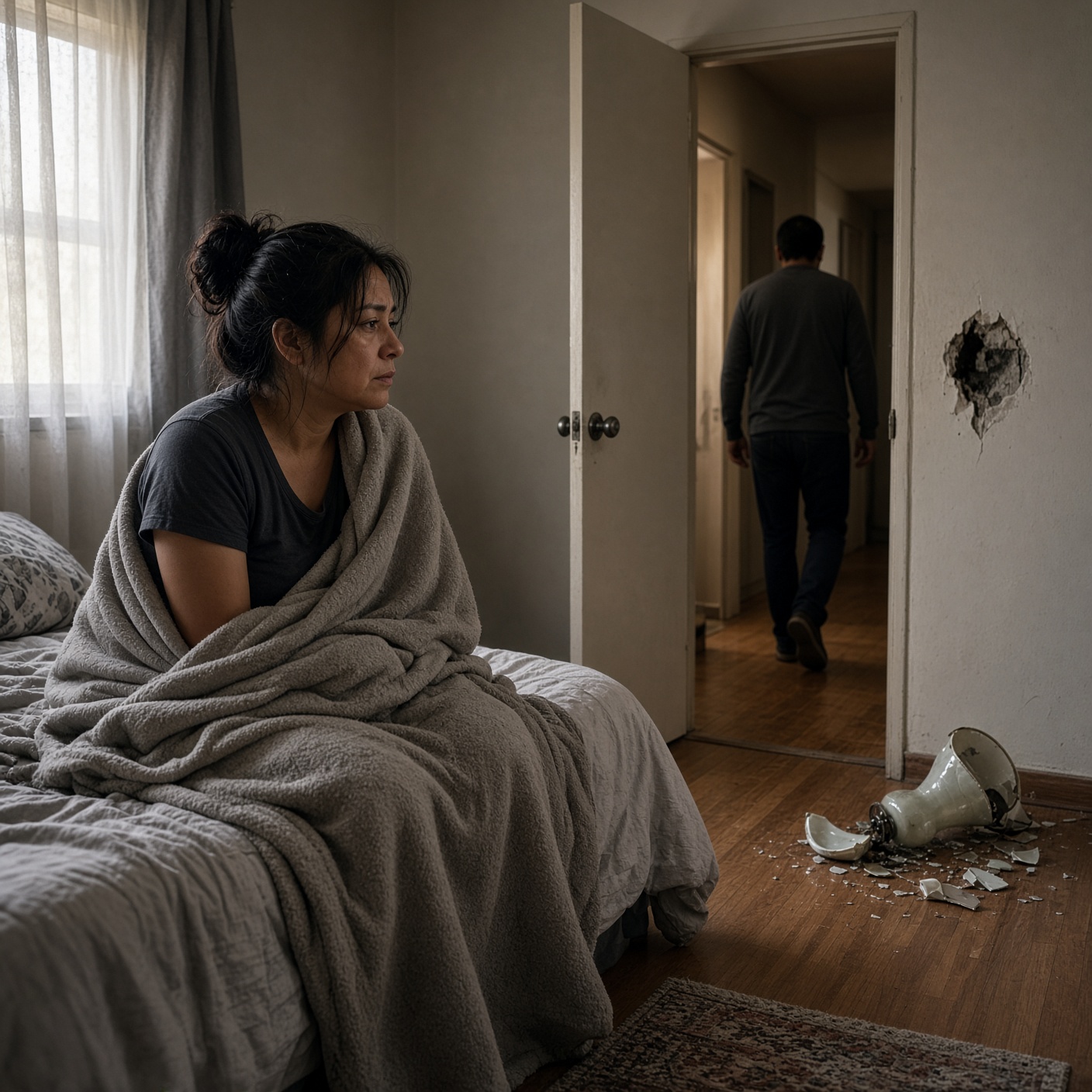
You’re afraid of what happens when they come home in a certain mood.
You’ve gotten good at reading the warning signs. You adjust everything around them.
Nobody outside would believe you. They only see the other version of this person.
You still love them. That makes it harder, not easier, to explain.
You’ve thought about leaving. You know it isn’t as simple as just going.
You wonder where God is in all of this. And why it keeps happening.
Domestic violence — Grace is a faith-based AI companion
Why leaving is not simple

The Question Is Not Why You Stayed. It’s What Made Leaving Feel Impossible.

Fear of retaliation. Financial dependence. Children. Love for the person causing harm. Isolation from everyone who might help. Faith convictions about the permanence of marriage. The belief that it will get better.

These are not weaknesses. They are the predictable result of what has been systematically done to you over time.

Leaving a domestically violent relationship is one of the most dangerous moments in a survivor’s experience. Safety planning matters. Grace can be a first conversation — and will always point toward the professional support that can help with what comes next.

Forms of Domestic Violence

It Is More Than Physical Harm.

Domestic violence encompasses many forms of abuse — most of which leave no visible mark. All of them are real.

Physical Abuse
Hitting, pushing, restraining, damaging property, using physical size or strength to intimidate. Physical violence often escalates over time and is rarely the only form of abuse present.
Emotional Abuse
Constant criticism, humiliation, threats, manipulation, and the systematic erosion of self-worth. Often more lasting in its effects than physical violence.
Coercive Control
A pattern of domination that limits freedom across multiple areas of life — who you see, where you go, what you wear, what you spend, what you say.
Financial Abuse
Controlling access to money, sabotaging employment, creating financial dependence so that leaving feels materially impossible.
Psychological Abuse
Gaslighting, isolation, creating fear, undermining your sense of reality until you can no longer trust your own perception or judgment.
Spiritual Abuse
Using faith, scripture, or religious authority to justify control, enforce silence, or make leaving feel like a sin. Common in faith communities and faith-based marriages.
Available at any hour

Grace Is Here for What You Can’t Say to Anyone Who Knows You Both.

The hardest thing about domestic violence is often the silence. The person causing harm is frequently someone others trust, admire, or depend on. Telling the truth about what happens at home can feel impossible.

Grace doesn’t know them. Grace only knows what you bring. And Grace will not minimize it, rationalize it, or suggest you misunderstood.

Grace is a faith-based AI companion available at any hour. Grounded in Psalm 34:18 — He is close to the brokenhearted.
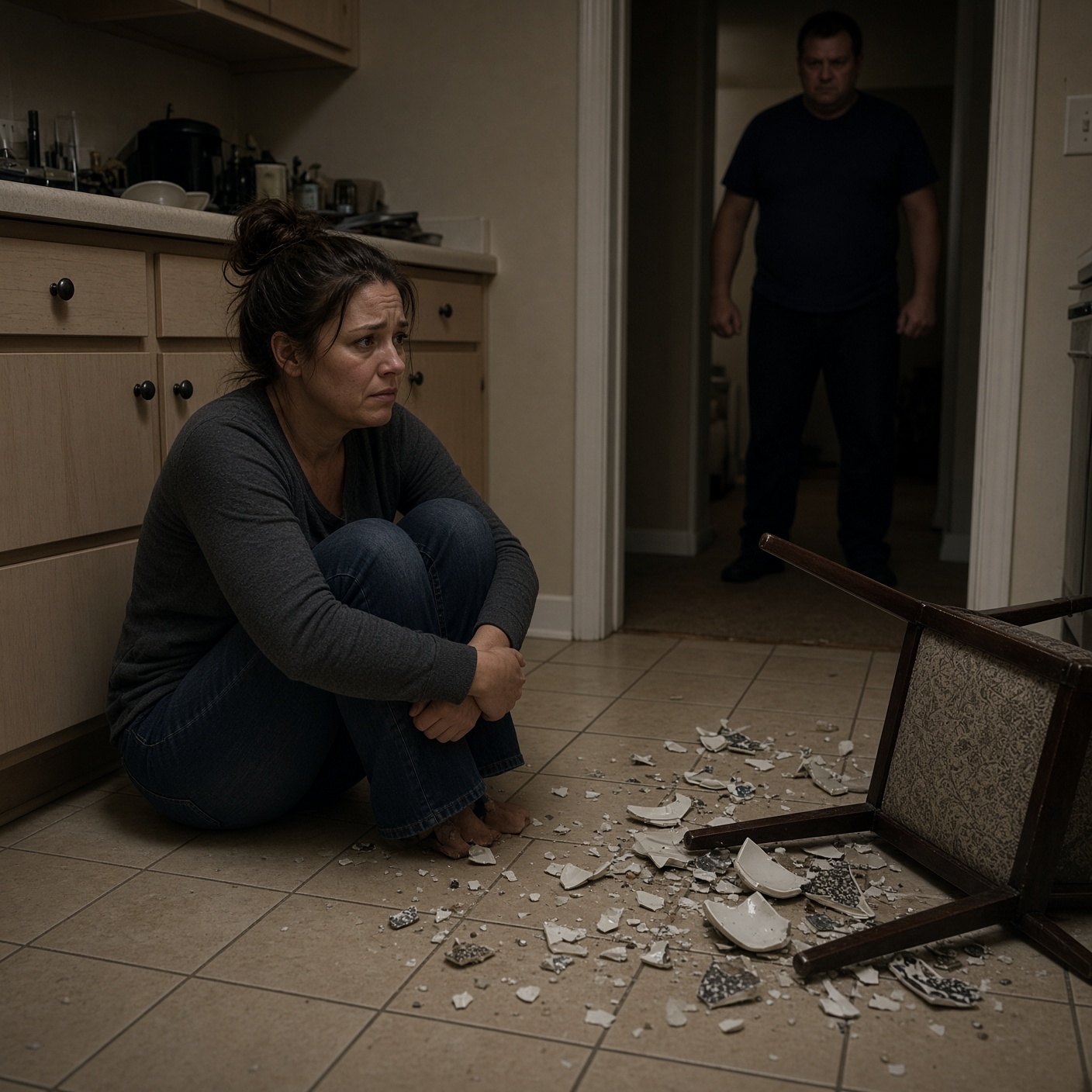
Hope after domestic violence — Grace is here
Questions People Search Alone

What People Ask When They’re Not Ready to Tell Anyone.

What is domestic violence?
Domestic violence is a pattern of behavior used by one partner to maintain power and control over another in an intimate relationship. It includes physical violence but also emotional abuse, psychological abuse, coercive control, financial abuse, and sexual abuse. It does not require physical injury to be real or serious. Domestic violence happens across all income levels, all faith traditions, all ages, and all relationship types.
What is the National Domestic Violence Hotline?
The National Domestic Violence Hotline can be reached at 1-800-799-7233 (call) or by texting START to 88788. It is available 24 hours a day, 7 days a week, and offers confidential support, safety planning, and referrals to local resources. If you are in immediate danger, call 911.
Why do people stay in domestically violent relationships?
People stay in domestically violent relationships for many reasons — including fear of retaliation, financial dependence, trauma bonding, love for the person causing harm, concern for children, religious convictions about marriage, and the loss of support systems through isolation. Asking why someone didn’t leave is the wrong question. The right question is what made leaving feel impossible — and what would make it safer.
Can domestic violence happen in a Christian home?
Yes. Domestic violence happens inside homes across every faith tradition. It sometimes uses religious language — submission, headship, the permanence of marriage — as tools of control and silence. A covenant does not require enduring harm. Grace is a faith-based AI companion that holds this without judgment and without using Scripture to keep anyone in a dangerous situation.
Is emotional abuse domestic violence?
Yes. Domestic violence encompasses emotional, psychological, verbal, financial, and coercive abuse — not only physical harm. Many survivors of domestic violence never experience physical injury but live under patterns of control, fear, isolation, and manipulation that cause lasting harm. What you experienced counts, regardless of whether it left visible marks.
“The Lord is close to the brokenhearted,
He saves those who have lost all hope.”
Psalm 34:18 · He is close even inside the home where this is happening
Also in the Abuse Library

Keep Reading.

Related
Am I in an Abusive Relationship?
Related
Coercive Control
Related
Why Can’t I Leave an Abusive Relationship?
Related
Trauma Bond
Related
How to Leave an Abusive Relationship Safely
Related
Abuse in Marriage

You Don’t Have to Figure Out What to Call It Before You Talk.

If something is happening at home that you haven’t been able to say out loud — Grace is a faith-based AI companion built for exactly this. Grace listens first. Free to start.

Talk to Grace — it’s free to start