
Abuse in marriage — Grace is a faith-based AI companion
Abuse & Relationships

Abuse in Marriage

Abuse in marriage is real — even when there is love, even when there is faith, even when the relationship contains genuine good things alongside the harm. The vow does not make the harm smaller. It makes it more complicated.

Talk to Grace — it’s free to start
What abuse in marriage is

Abuse in marriage is any pattern of behavior used by one spouse to gain or maintain power and control over the other. It includes physical, emotional, psychological, verbal, sexual, and financial abuse — and most abusive marriages involve more than one form. The presence of love, the existence of a vow, and the absence of physical violence do not determine whether a marriage is abusive.

What It Feels Like From the Inside

The Vow Makes Everything More Complicated. That Is Not a Weakness.

Abuse in marriage carries a particular weight. The person causing harm is also the person you chose, the person you love, the person your life is built around. These are the moments that bring people here.
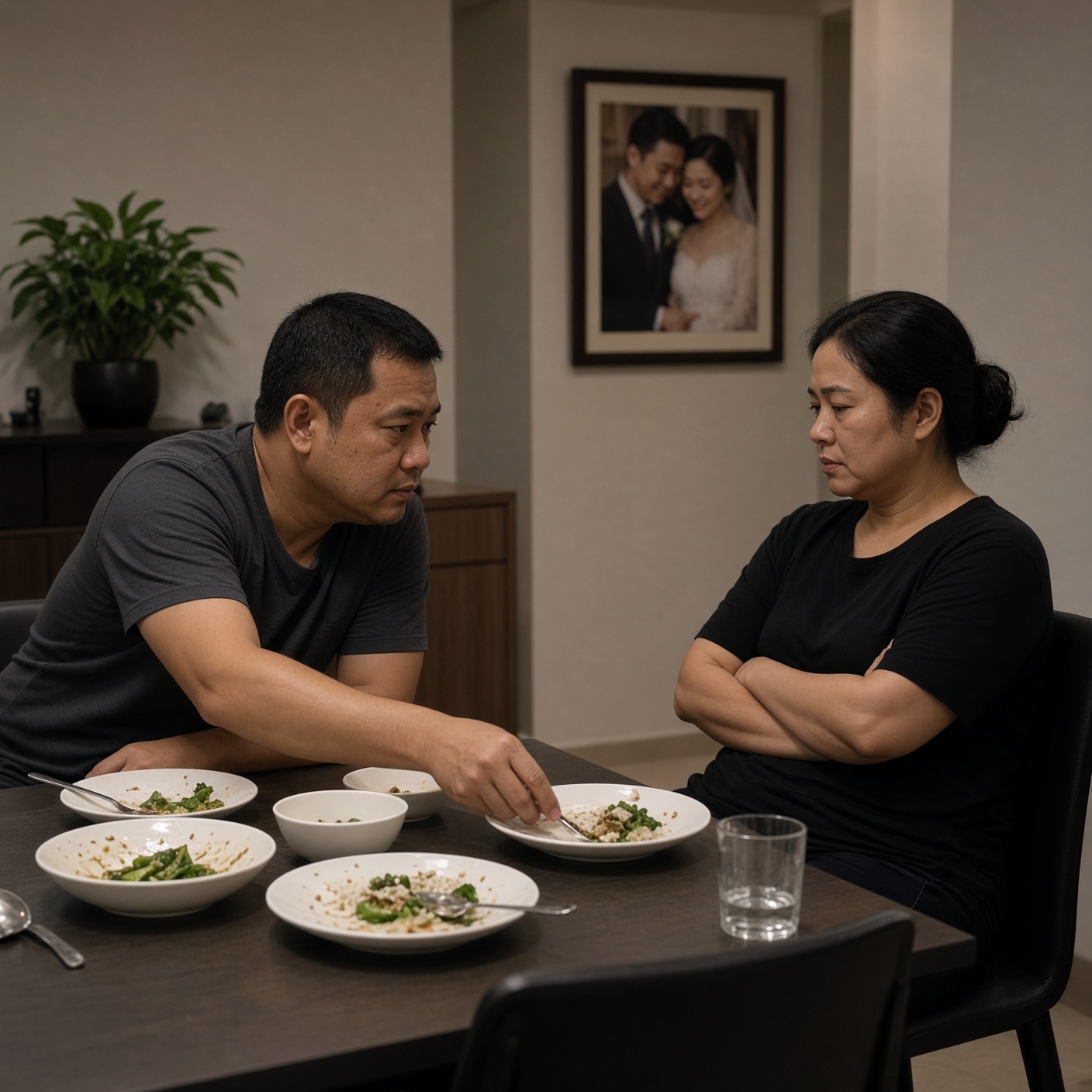
You love them. The love is real. So is what they do to you.
You’ve been told — or you believe — that the vow requires you to stay. That leaving is failure. That this is a cross to bear.
There are good days. Long stretches of good. And then something happens again and you wonder which version is real.
You have children. You cannot imagine what leaving would do to them. Or to you.
You’re not sure what is happening qualifies as abuse. It has never left a mark anyone could see.
You feel more like a person when they are kind to you. And you wonder when that happened.
Abuse in marriage — Grace is a faith-based AI companion
The faith dimension

Scripture Does Not Require Anyone to Remain in Harm. That Is Not What the Covenant Was For.

For people of faith, abusive marriages carry an additional layer of complexity that secular resources rarely address honestly. The language of covenant, submission, headship, and forgiveness can be genuinely held — or deliberately weaponized — to keep a person in a dangerous marriage.

Grace holds this without dismissing the theology or using it to bind you. The God of Psalm 34:18 is close to the brokenhearted — not to the one causing the breaking. Surviving an abusive marriage is not a failure of faith. Leaving one is not a betrayal of God.

Grace is built for the person who holds both the faith and the harm at the same time — without being pushed toward a decision they are not ready to make.

Forms of Abuse in Marriage

What It Looks Like When It Has No Visible Marks.

Physical violence is one form of marital abuse. Most abusive marriages involve forms that leave no marks — and that are harder to name, harder to prove, and harder to leave.

Emotional Abuse
Contempt, humiliation, withholding affection, constant criticism, undermining self-worth. The erosion of who you were before the marriage, so slowly you cannot identify when it began.
Psychological Abuse
Gaslighting, manipulation, distorting reality, making you question your memory and perception. The deliberate destabilization of your ability to trust yourself.
Verbal Abuse
Yelling, name-calling, threats, degrading language. Sometimes disguised as honesty, humor, or correction — and often denied afterward.
Financial Abuse
Controlling access to money, sabotaging employment, monitoring every purchase, creating financial dependency that makes leaving materially impossible.
Spiritual Abuse
Using scripture, pastoral authority, or religious obligation to enforce submission, silence objections, or frame abuse as God’s will for the marriage.
Coercive Control
Isolation from family and friends, monitoring movements and communications, setting rules and enforcing consequences. A pattern of domination that structures every aspect of daily life.
Available at any hour

Grace Does Not Push You Toward Leaving. Grace Stays With Where You Actually Are.

Most resources for people in abusive marriages have an agenda — toward leaving, toward staying, toward a particular theological position. Grace does not. Grace meets you where you are: the love, the harm, the faith, the fear, the children, the history, the exhaustion of living inside something this complicated.

Grace will always point toward the professional resources and organizations that can help with safety planning, legal options, and the practical realities of what comes next — when and if you are ready for that.

Grace is a faith-based AI companion available at any hour. Grounded in Psalm 34:18 — He is close to the brokenhearted.
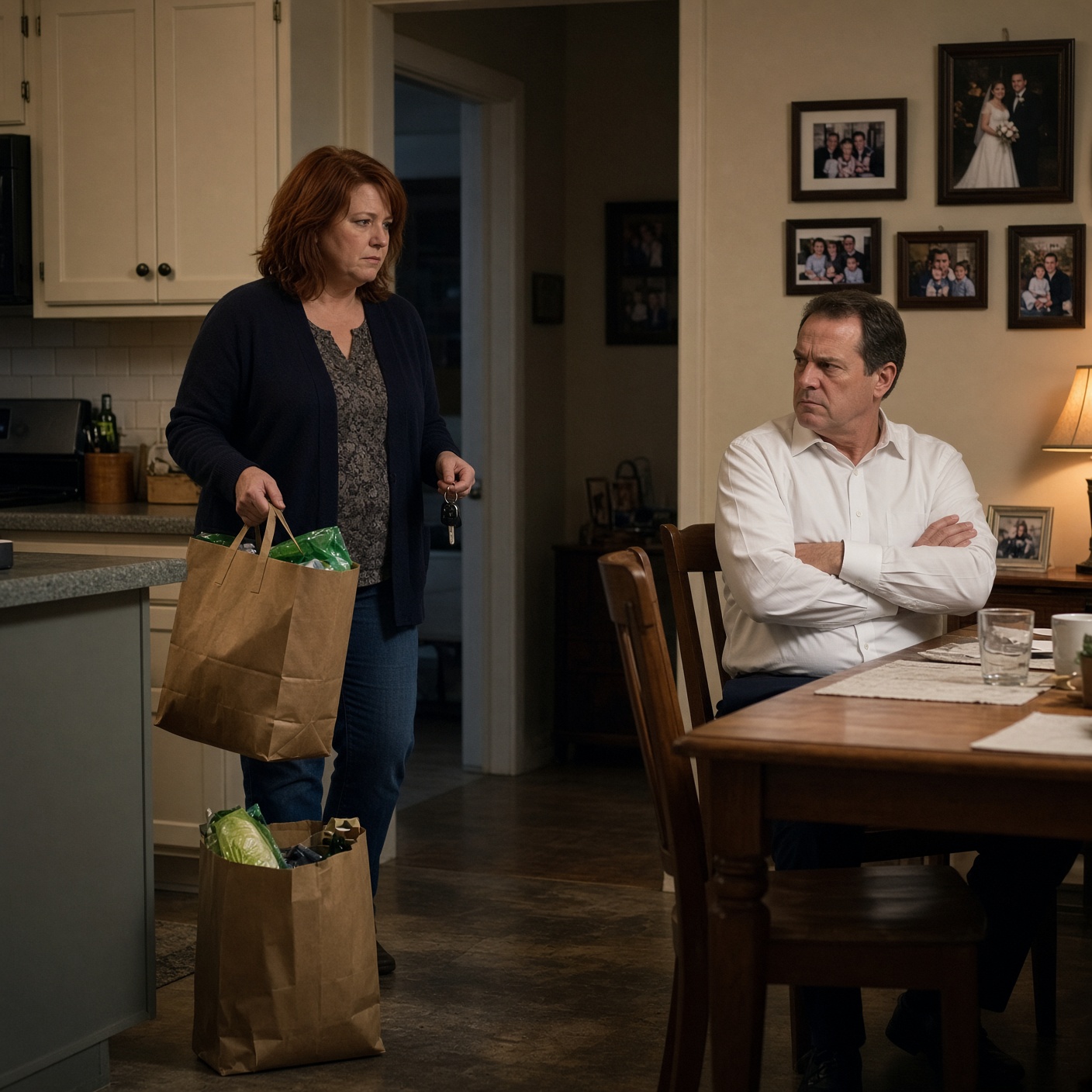
Finding a way forward — Grace is here
Questions People Search Alone

What People Ask When They’re Starting to Name It.

What does abuse in marriage look like?
Abuse in marriage includes physical violence, but also emotional abuse, psychological abuse, verbal abuse, financial control, sexual coercion, spiritual abuse, and coercive control. Much of what constitutes marital abuse leaves no visible marks — it erodes identity, self-trust, and the capacity to perceive the relationship clearly over time. Abuse in marriage is real even when there is no physical violence, even when the abusive partner is loving during calm periods, and even when the person experiencing it is not sure whether what is happening qualifies as abuse.
Is it abuse if my spouse doesn’t hit me?
Yes. Physical violence is one form of abuse in marriage, but it is not the only one. Emotional abuse, psychological abuse, verbal abuse, financial control, sexual coercion, isolation, and coercive control are all forms of abuse — and all cause real harm. Many people in abusive marriages have never been physically struck. The absence of physical violence does not mean the relationship is not abusive.
Does my faith require me to stay in an abusive marriage?
No. Scripture does not require anyone to remain in harm. The God of Psalm 34:18 is close to the brokenhearted — not to the one causing the breaking. Religious language about covenant, submission, and forgiveness is sometimes used to keep people in dangerous marriages. Grace holds this question with care and will not use scripture to bind anyone to harm. Surviving an abusive marriage is not a failure of faith.
Why is it so hard to leave an abusive marriage?
Leaving an abusive marriage is harder than leaving most abusive relationships because the stakes are higher — shared finances, children, a home, a shared faith community, legal entanglement, and the weight of a vow all complicate what might otherwise be a clearer decision. Trauma bonding creates genuine attachment to the person causing harm. Financial abuse may have eliminated the practical means of leaving. Fear of retaliation is real. And religious conviction about the permanence of marriage adds a layer that secular resources rarely address. All of these reasons are real. None of them mean leaving is impossible.
Can an abusive marriage change?
Genuine, sustained change in an abusive partner is possible but rare. It requires the abusive partner to take full accountability, engage seriously with a program designed for abusive behavior, and maintain change over a long period without pressure or coercion from the other spouse. Couples counseling is not recommended in abusive marriages and can make the situation more dangerous. Grace holds this question honestly — with neither false hope nor a requirement to give up on the possibility.
“The Lord is close to the brokenhearted,
He saves those who have lost all hope.”
Psalm 34:18 · For the person carrying what a marriage was supposed to protect them from
Also in the Abuse Library

Keep Reading.

Related
Domestic Violence
Related
Spiritual Abuse
Related
Why Can’t I Leave an Abusive Relationship?
Related
Financial Abuse
Related
Trauma Bond
Related
How to Leave an Abusive Relationship Safely

The Love and the Harm Can Both Be Real. Grace Knows That.

If you are living inside a marriage that is complicated in ways you have not been able to say out loud — Grace is a faith-based AI companion built for exactly this. Grace listens first. Free to start.

Talk to Grace — it’s free to start