Spiritual abuse — Grace is a faith-based AI companion
Abuse & Faith

Spiritual Abuse

Spiritual abuse uses faith, scripture, or religious authority to control, silence, or harm. The wound is particular — it came from the place that was supposed to heal. Grace holds that without requiring you to resolve your relationship with God before you can speak.

Talk to Grace — it’s free to start
What spiritual abuse is

Spiritual abuse is the use of religious belief, scripture, spiritual authority, or faith community to control, manipulate, silence, or harm another person. It distorts faith into a tool of power. It happens in churches, cults, high-control groups, faith-based marriages, and family systems — anywhere religious identity can be weaponized against a person’s freedom, safety, or sense of self.

What It Feels Like From the Inside

The Wound Came From the Place That Was Supposed to Be Safe.

Spiritual abuse carries a particular weight because it damages not just a relationship but a framework — the structure through which you understood God, yourself, and the world. These are the moments that bring people here.
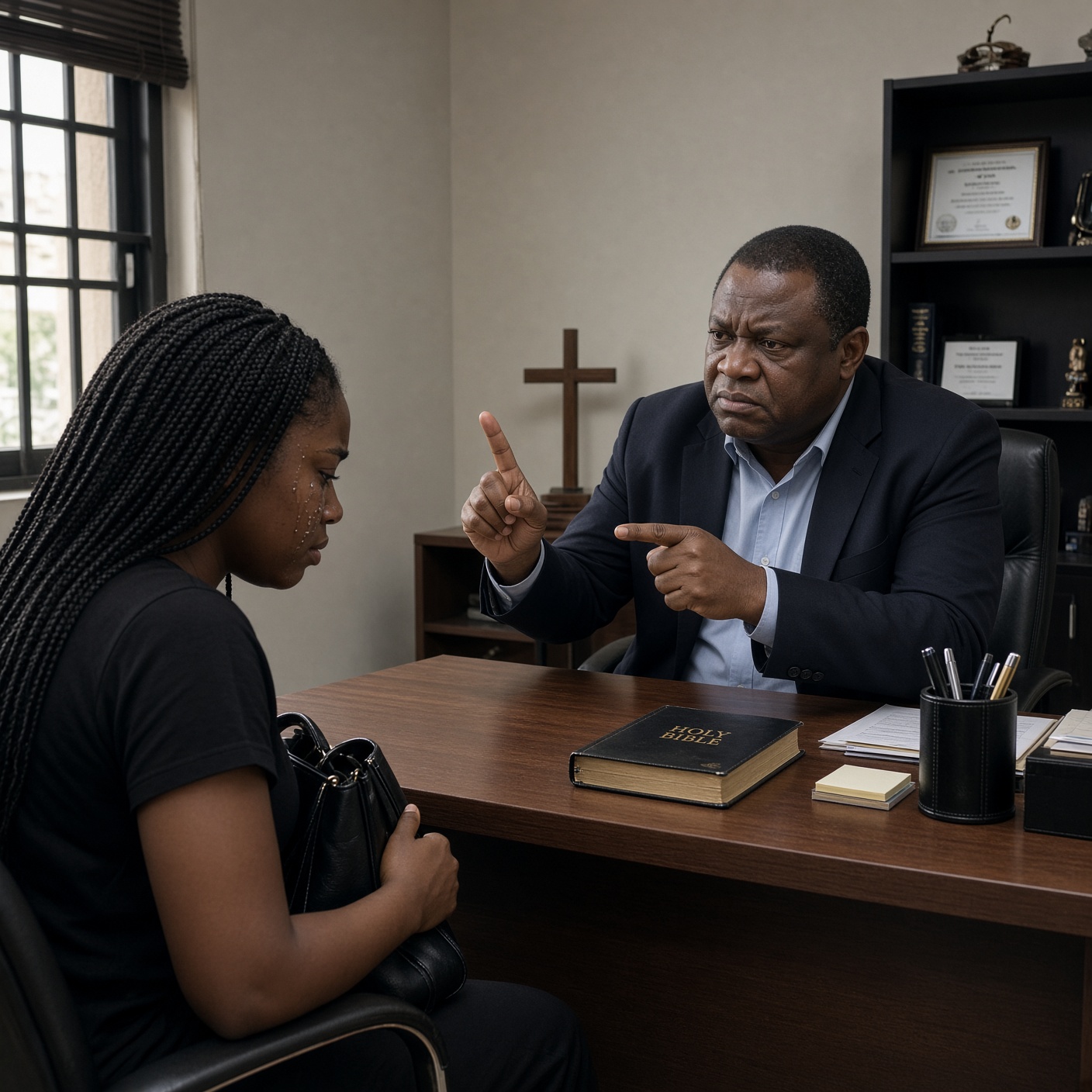
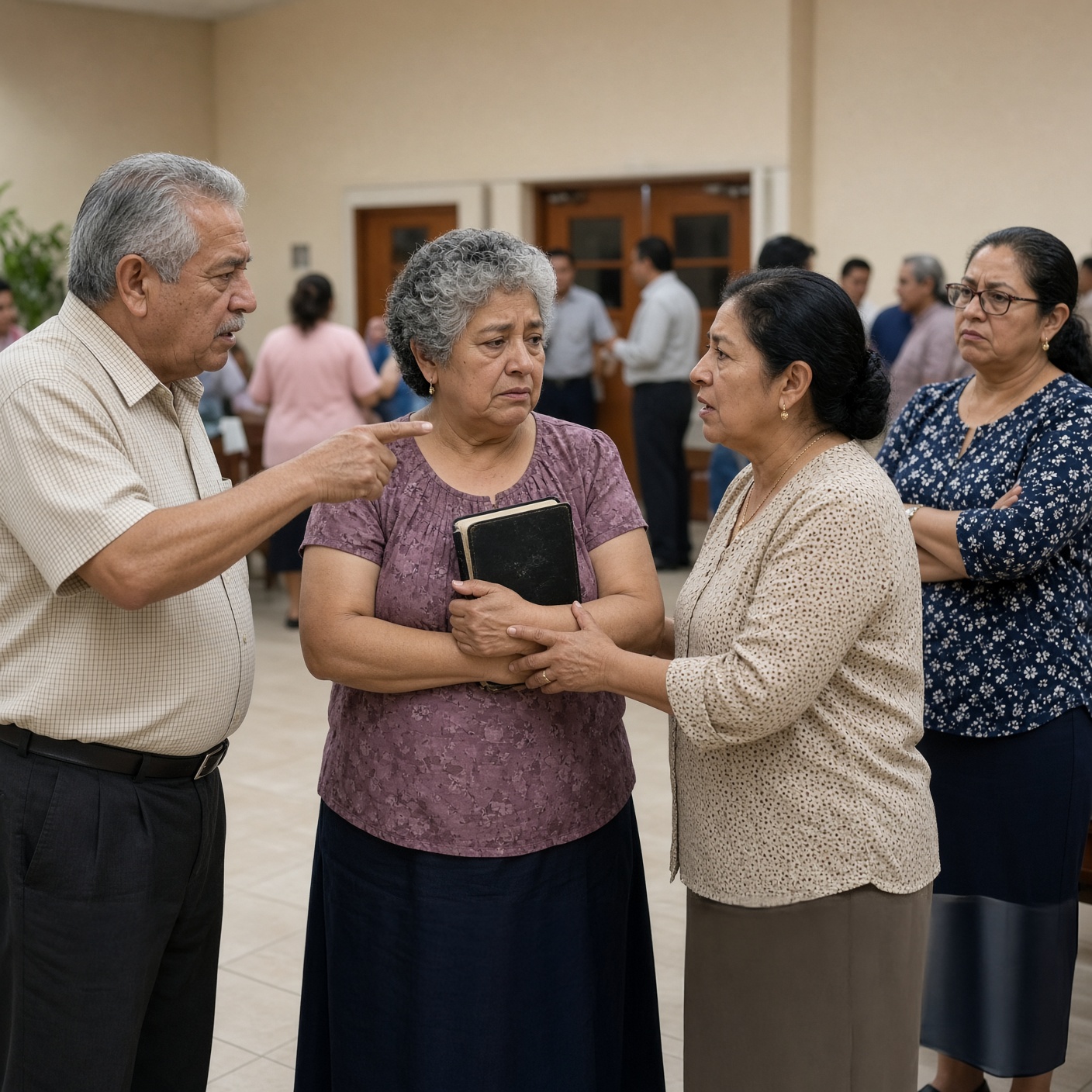
You were told that questioning was sin. That doubt was spiritual failure. That leaving would cost you God.
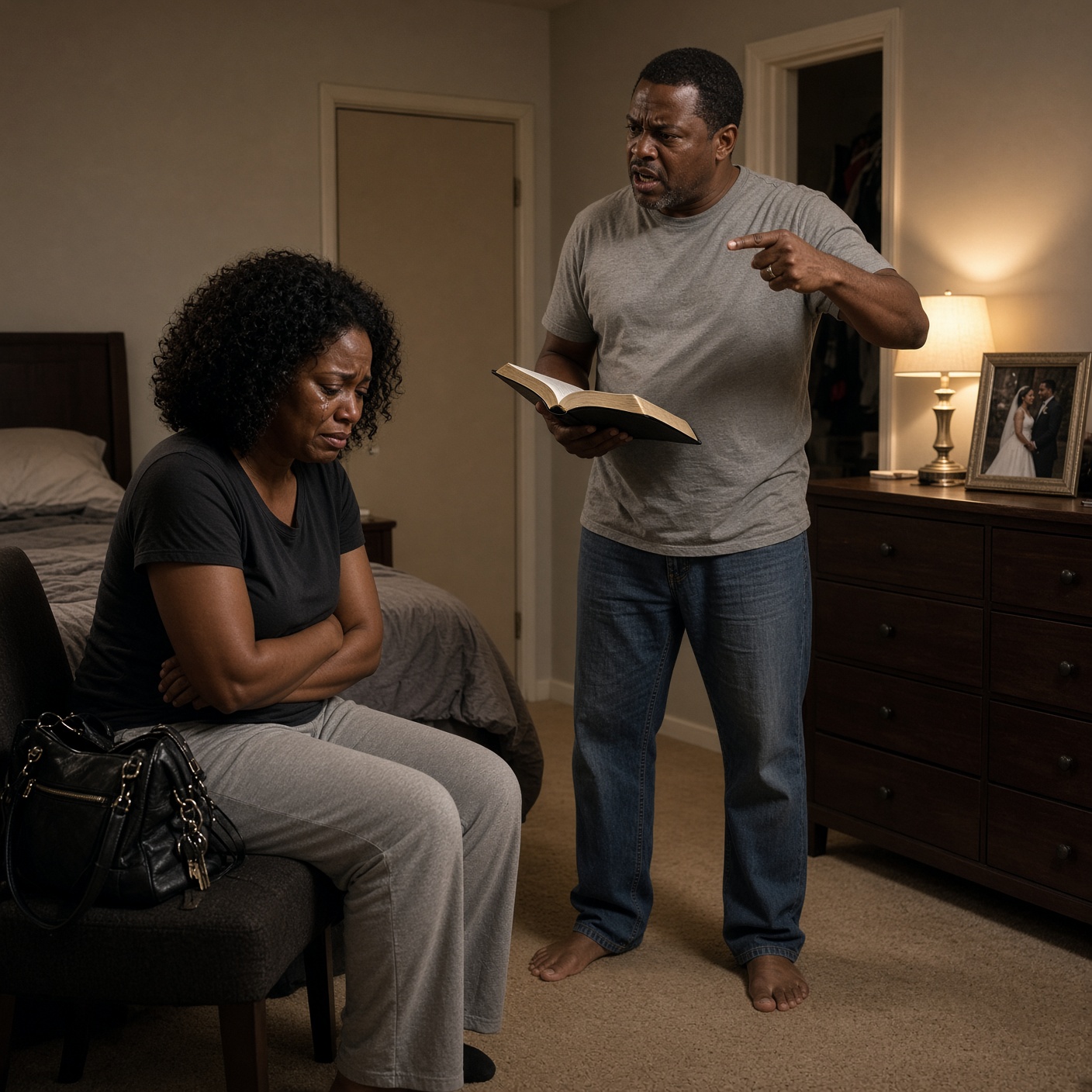
Scripture was used against you — to demand submission, to silence your objections, to justify what was happening.
You left the community. The grief is complicated by the fact that you also lost the version of God you knew there.
You still believe — or you want to — but you can’t go back to what it looked like before.
You wonder if what happened to you was abuse, or if you are being too sensitive about something that was just part of the faith.
God feels like the problem now. Or like someone you’re not sure you can trust anymore.
Spiritual abuse — Grace is a faith-based AI companion
Where it happens

Spiritual Abuse Is Not Limited to Church. It Goes Wherever Faith Can Be Used as a Weapon.

Church and pastoral abuse is the most visible expression — but spiritual abuse also happens in cults and high-control groups where leaving is framed as eternal consequence, in faith-based marriages where submission is enforced through scripture, in family systems where religious identity is used to shame or control, and in individual relationships with spiritual mentors or authority figures who exploit the trust that faith creates.

The common thread across every setting is the same: God’s authority is invoked to serve a human power structure rather than the person in front of it.

Grace was built specifically to hold the complexity of faith wounds — without using scripture to minimize what happened, and without requiring you to abandon faith to heal from what was done in its name.

What Spiritual Abuse Looks Like

The Patterns That Appear Most Consistently.

Spiritual abuse takes many forms across different contexts. These are the patterns that cause the most lasting damage to faith, identity, and the ability to trust.

Authority Over Conscience
Being told that a leader, spouse, or parent has God-given authority over your decisions, your beliefs, or your body — and that submitting to them is submitting to God.
Scripture as a Weapon
Using biblical passages to justify control, enforce silence, demand submission, or frame abuse as spiritually required. Twisting the language of faith to serve harm.
Spiritual Punishment
Threatening divine punishment, loss of salvation, or spiritual consequence for questioning, leaving, or failing to comply. Using eternal stakes to enforce earthly control.
Enforced Confession
Requiring confession of private matters to maintain standing in the community. Using disclosed vulnerability as leverage for continued control or shame.
Shunning and Isolation
Cutting off community, relationships, and spiritual support as punishment for dissent or departure. Using belonging as a tool of compliance.
Doubt as Sin
Framing honest questioning as spiritual failure, rebellion, or demonic influence. Eliminating the internal safety mechanism that would otherwise allow a person to recognize abuse.
For the complicated grief

Grace Does Not Require You to Have God Figured Out Before You Begin.

One of the particular cruelties of spiritual abuse is that it makes God part of the wound. Returning to faith — or even to prayer — can feel impossible when the language of faith was the instrument of harm.

Grace holds this without rushing toward resolution. Grace does not use scripture to minimize what happened, does not suggest that forgiving quickly is more faithful than grieving honestly, and does not require you to trust God before you can trust Grace.

Grace is a faith-based AI companion available at any hour. Grounded in Psalm 34:18 — He is close to the brokenhearted, even when the brokenhearted are not sure He is there.
Healing from spiritual abuse — Grace is here
Questions People Search Alone

What People Ask When They’re Trying to Name What Happened.

What is spiritual abuse?
Spiritual abuse is the use of religious belief, scripture, spiritual authority, or faith community dynamics to control, manipulate, silence, or harm another person. It can occur in churches, cults, high-control religious groups, faith-based marriages, and family systems where religion is used as a tool of power. Spiritual abuse often involves being told that God requires your submission to the abuser, that questioning leadership is sinful, that your doubts are evidence of spiritual failure, or that leaving will result in divine punishment.
What is the difference between spiritual abuse and a difficult church experience?
All communities have conflict and imperfect leadership. Spiritual abuse is different because it involves the deliberate or systematic use of spiritual authority to control, silence, or harm — not merely the ordinary failures of human institutions. Signs that an experience crossed into spiritual abuse include: being told God has specifically directed the leader’s authority over your life, being forbidden to question or leave, being shamed or threatened with divine punishment for dissent, having scripture used to justify harm, or being required to confess private matters to maintain standing in the community.
Can spiritual abuse happen outside of a church?
Yes. Spiritual abuse occurs in cults and high-control groups, in faith-based marriages where scripture is used to enforce submission, in family systems where religion is weaponized for control, and in individual relationships with spiritual leaders or mentors. The common thread is the use of God, faith, or religious identity as a tool of power over another person — regardless of the specific setting.
Why is spiritual abuse so hard to recover from?
Spiritual abuse attacks the framework through which a person understands meaning, safety, identity, and God. When the community or authority that was supposed to mediate your relationship with God becomes the source of harm, the damage extends beyond ordinary relational hurt — it can destabilize faith, identity, and the ability to trust any spiritual authority again. Recovery often involves grieving both the harm and the loss of the community, the faith framework, or the version of God that felt safe.
Does experiencing spiritual abuse mean my faith was wrong?
No. What was done to you in the name of faith is not evidence that faith itself is false or that your experience of God was mistaken. Spiritual abuse is a distortion of faith — it uses the language and structures of religion to serve human power, not God. The God of Psalm 34:18 is close to the brokenhearted. Grace holds this without requiring you to resolve your relationship with God before you can begin to talk about what happened.
“The Lord is close to the brokenhearted,
He saves those who have lost all hope.”
Psalm 34:18 · Even when the wound came from the place that bore His name
Also in the Abuse Library

Keep Reading.

Related
Psychological Abuse
Related
What Is Gaslighting?
Related
Abuse in Marriage
Related
Narcissistic Abuse
Related
Trauma Bond
Related
How Do I Heal After Abuse?

You Don’t Have to Have God Figured Out to Start.

If what happened to you came from inside the faith — Grace is a companion built for that specific wound. Grace listens before Grace speaks. Free to start.

Talk to Grace — it’s free to start