
Financial abuse — Grace is a faith-based AI companion for abuse survivors
Abuse & Relationships

Financial Abuse

Financial abuse uses money as a tool of control — limiting access, creating dependency, and making leaving feel materially impossible. If you cannot afford to go, that is not a coincidence. That is a trap that was built.

Talk to Grace — it’s free to start
What financial abuse is

Financial abuse is the use of money and financial resources as tools of power and control in a relationship. It is present in an estimated 99% of domestic violence cases and is one of the primary reasons people cannot leave. It is not about finances. It is about control — and the trap it builds is real, practical, and intentional.

What It Feels Like From the Inside

You Are Not Stuck Because You Are Weak. You Are Stuck Because a Trap Was Built Around You.

Financial abuse is uniquely effective at keeping people in abusive relationships because it makes leaving a material impossibility — not just an emotional one. These are the moments that bring people here.
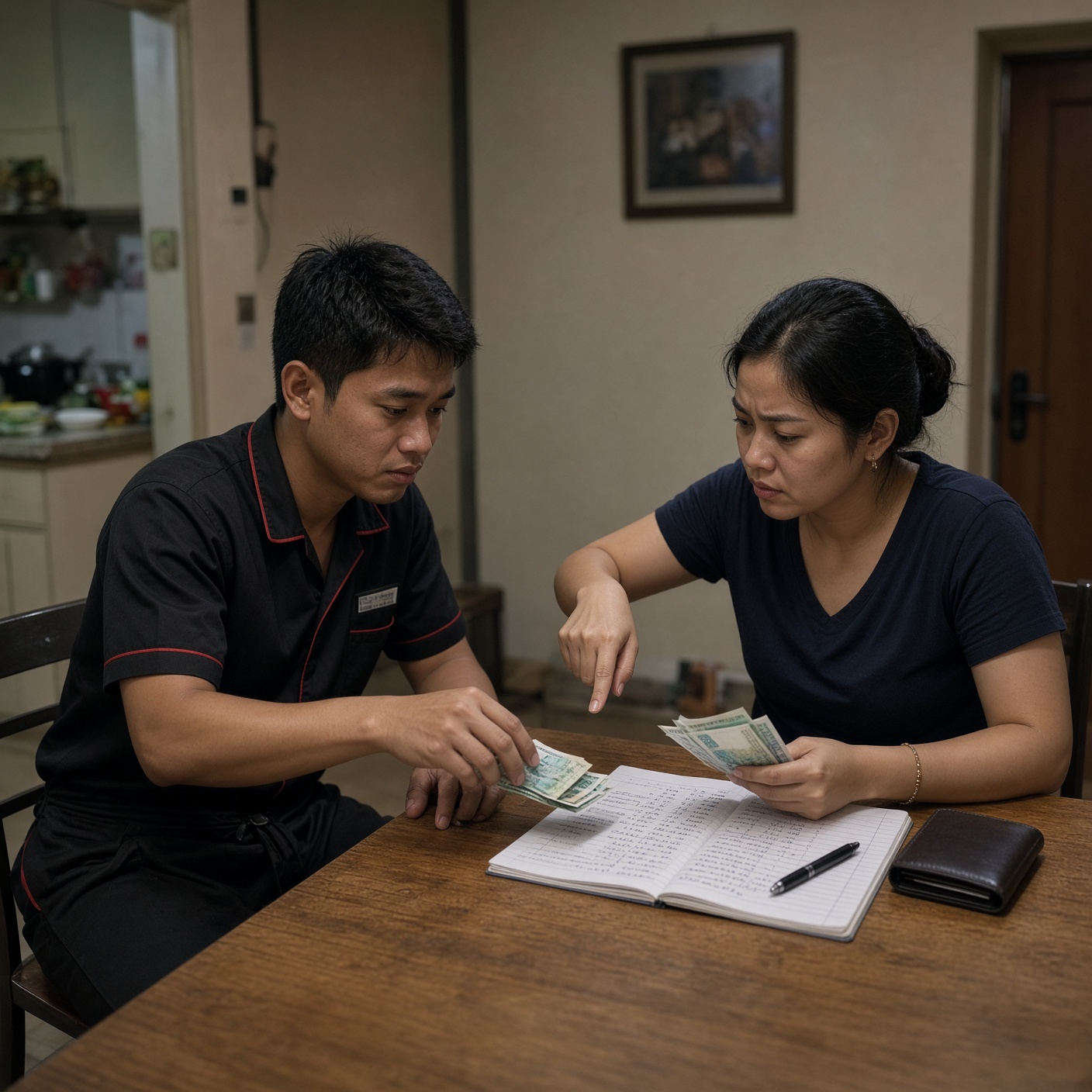
You have to ask permission to spend money. On anything.
You don’t know what is in your own bank account. Or if you have one.
You want to leave. You have nowhere to go and no way to get there.
You gave up your job. Or it was taken from you in ways that are hard to explain.
There is debt in your name that you did not choose and cannot explain.
The dependence feels like your fault. It was manufactured, not chosen.
Financial abuse — Grace is a faith-based AI companion
Why it works

Financial Dependence Is Not a Personal Failing. It Is What Financial Abuse Is Designed to Create.

Financial abuse works because it removes options. Without money, without credit, without employment history, without documents — the practical means of leaving disappear. This is not an accident. It is the mechanism.

People sometimes stay in financially abusive relationships for years not because they don’t understand what is happening, but because the material barriers to leaving are genuinely insurmountable without outside help.

That help exists. Grace is a companion for the weight of this while you find it — and will always point toward the resources that can help rebuild what was taken.

What Financial Abuse Looks Like

The Patterns That Build the Trap.

Financial abuse takes many forms. These are the patterns that appear most consistently — and that most effectively eliminate independence.

Controlling Access
No access to bank accounts, credit cards, or financial information. Being given an allowance and required to account for every purchase. Having no independent financial life of any kind.
Sabotaging Employment
Preventing work through constant interference, creating conflict before important shifts, damaging professional relationships, or simply forbidding employment. The result is financial dependence that feels chosen but was manufactured.
Exploiting Credit
Opening credit in the other person’s name without consent, running up debt, or destroying credit history. This leaves the survivor both without resources and encumbered with debt they did not choose.
Controlling Income
Taking a partner’s paycheck, demanding account access, or requiring that all money pass through the abuser. Any income earned disappears into someone else’s control.
Document Control
Withholding or hiding important documents — identification, social security cards, immigration papers, titles — that are needed to function independently or access services.
Forced Signatures
Pressuring or forcing the signing of financial documents, loans, or legal agreements. Creating financial entanglement that makes leaving legally and practically complicated.
Available at any hour

The Shame of Not Being Able to Leave Is Not Yours. Grace Knows That.

One of the cruelest aspects of financial abuse is the shame it generates. You cannot leave, and the world asks why you haven’t. The answer — that you have no money, no credit, no documents, no way — is dismissed as excuse rather than recognized as the trap it is.

Grace holds this without judgment. Grace does not ask why you haven’t left. Grace stays with the weight of the situation you are in, and will always point toward the professional resources and organizations that specialize in helping survivors rebuild financial independence.

Grace is a faith-based AI companion available at any hour. Grounded in Psalm 34:18 — He is close to the brokenhearted.

Recovery from financial abuse — Grace is here
Questions People Search Alone

What People Ask When They Start to See the Pattern.

What is financial abuse?
Financial abuse is a form of domestic abuse in which one partner uses money and financial resources as tools of control. It includes controlling access to money, preventing employment, sabotaging work, running up debt in the other person’s name, demanding account access, giving an allowance, monitoring every purchase, and using financial dependence to make leaving feel impossible. Financial abuse is present in an estimated 99% of domestic violence cases and is one of the primary reasons people stay in abusive relationships.
What are the signs of financial abuse?
Signs of financial abuse include having no access to bank accounts or financial information, receiving an allowance and being required to account for every purchase, being prevented from working or having employment sabotaged, having debt opened in your name without your knowledge or consent, having your paycheck controlled or taken, being forced to sign financial documents, and feeling that you could not afford to leave even if you wanted to. Financial abuse is designed to eliminate the material means of independence.
Why is financial abuse so hard to leave?
Financial abuse is hard to leave because it systematically eliminates the material resources needed to go. With no access to money, no credit history, no employment record, and sometimes debt in your name, the practical barriers to leaving are real and significant. This is not a failure of will. It is the intended result of what was done to you. Resources exist specifically for survivors of financial abuse — including domestic violence organizations that can help with safety planning, emergency funds, and rebuilding financial independence.
Can financial abuse happen to men?
Yes. Financial abuse happens in relationships of all kinds and is not limited to any gender. Men can be financially abused by partners. Adults can be financially abused by family members or caregivers. Financial exploitation of older adults is one of the most common forms. What happened to you is real regardless of who caused it or who you are.
What can I do if I am experiencing financial abuse?
If you are experiencing financial abuse, consider reaching out to the National Domestic Violence Hotline at 1-800-799-7233 — they have financial advocates who specialize in helping survivors plan for economic safety. Practical steps can include opening a private bank account, documenting financial records, obtaining copies of important documents, and connecting with local domestic violence organizations that offer emergency financial assistance. Grace is a faith-based AI companion for the emotional weight of this — and will always point toward the professional resources that can help with what comes next.
“The Lord is close to the brokenhearted,
He saves those who have lost all hope.”
Psalm 34:18 · For the person who cannot see a way out yet
Also in the Abuse Library

Keep Reading.

Related
Why Can’t I Leave an Abusive Relationship?
Related
Domestic Violence
Related
How to Leave an Abusive Relationship Safely
Related
Abuse in Marriage
Related
Trauma Bond
Related
Elder Abuse

The Trap Is Real. So Is the Way Out.

If you are living inside financial control and trying to find solid ground — Grace is a faith-based AI companion for the weight of this, and will always point toward the people and organizations that can help with what comes next. Free to start.

Talk to Grace — it’s free to start