Elder abuse — Grace is a faith-based AI companion
If an older adult is in danger
Call 911 if someone is in immediate danger  ·  Eldercare Locator: 1-800-677-1116 — connects to local Adult Protective Services  ·  eldercare.acl.gov
Abuse & Aging

Elder Abuse

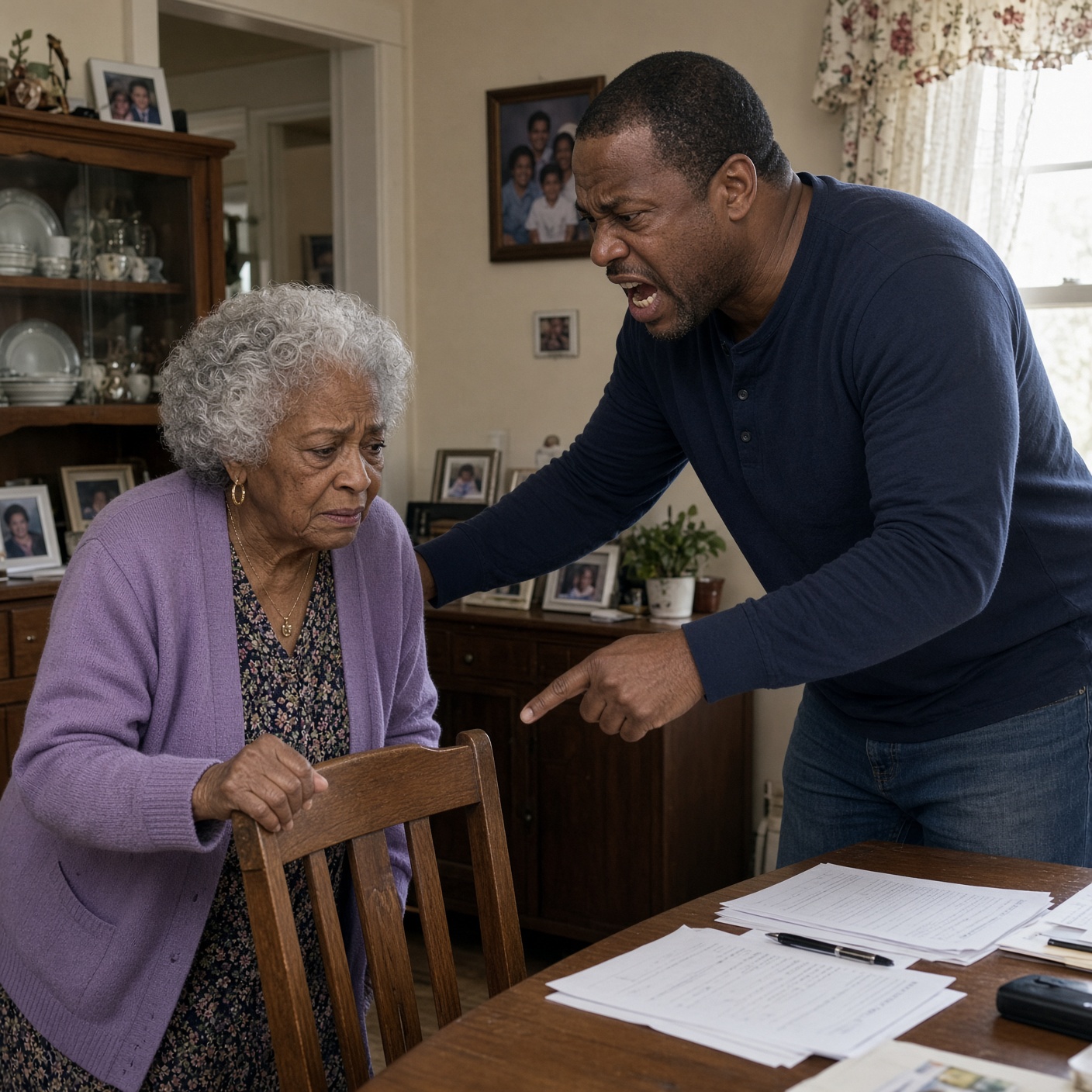
Elder abuse happens in the most trusted places — in family homes, in care facilities, at the hands of people who were supposed to help. It is significantly underreported, frequently invisible, and deeply isolating for those experiencing it.

Talk to Grace — it’s free to start
What elder abuse is

Elder abuse is any knowing, intentional, or negligent act by a caregiver or trusted person that causes harm or serious risk of harm to a vulnerable older adult. It includes physical, emotional, sexual, and financial abuse, as well as neglect and abandonment. It occurs in private homes and care facilities alike — and is one of the most underreported forms of abuse.

Who This Page Is For

For Survivors, and for the People Who Love Them.

This page is for older adults who have experienced abuse and for the family members and friends who suspect something is wrong but don’t know what to do. Both groups carry weight that has nowhere to go.
You are older and dependent on someone who is hurting you. You don’t know who to tell.
You love the person who is causing the harm. That makes everything more complicated.
You suspect something is happening to a parent or loved one and you can’t get a straight answer.
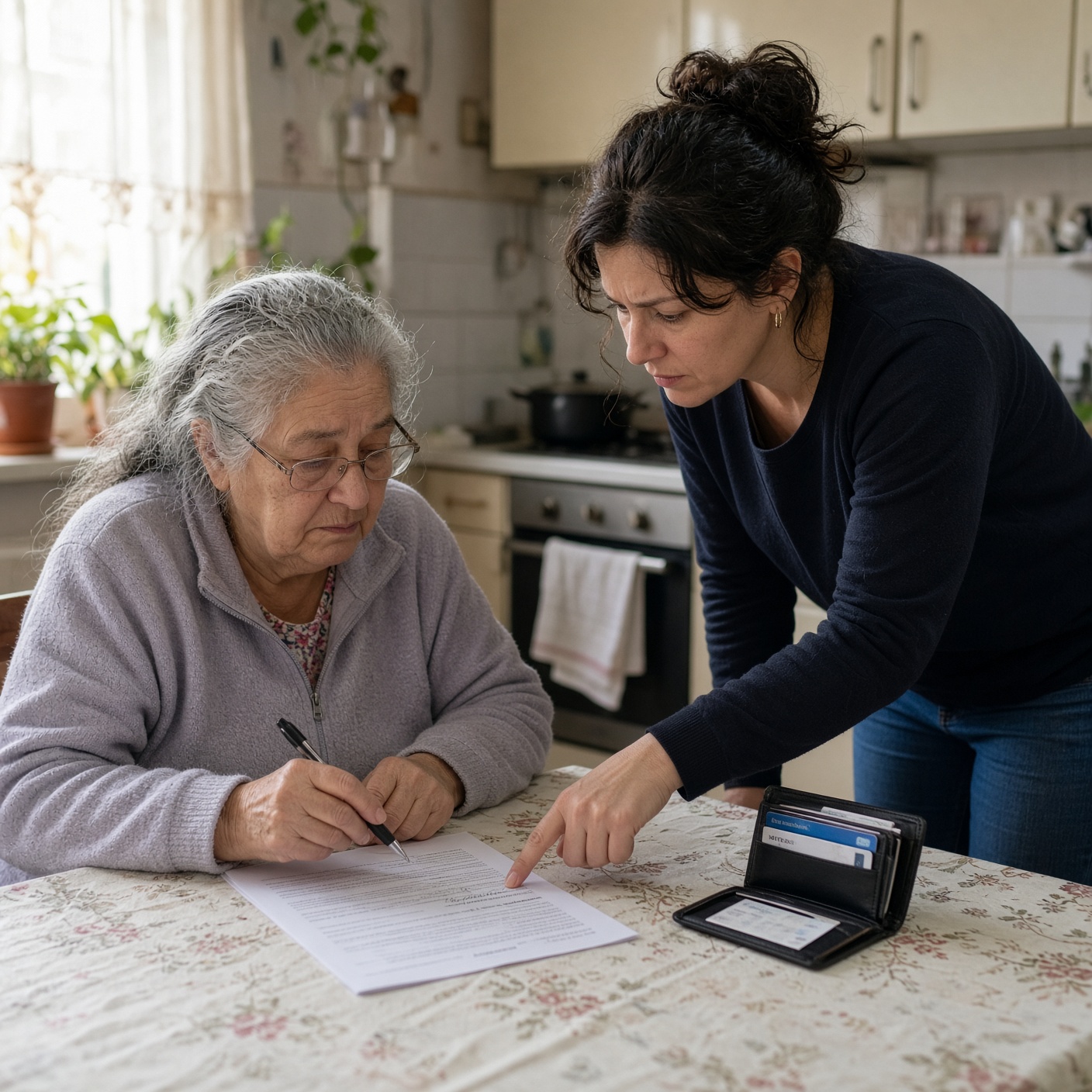
Money has disappeared. Documents have changed. You don’t know how to prove it.
You are in a facility and afraid to say anything because you depend on the people there.
You wonder where God is in this season of life — in the vulnerability, in the harm, in the silence.
Elder abuse — Grace is a faith-based AI companion
Why it goes unreported

The Dependency That Makes Care Necessary Is the Same Dependency That Makes Abuse Hard to Report.

Elder abuse is dramatically underreported — estimates suggest only one in fourteen cases is ever reported. The reasons are the same ones that keep people silent in other abusive relationships, compounded by the specific vulnerabilities of aging: physical dependence, cognitive changes, isolation, fear of losing housing or care, and love for the person causing the harm.

For many older adults, reporting abuse means losing the only care available to them. That is not a small barrier. It is the central one.

Grace is a companion for the weight of this — for survivors and for those who care about them — and will always point toward the resources that can help with what comes next.

Forms of Elder Abuse

What It Looks Like.

Elder abuse takes many forms. Financial exploitation is the most common, but all forms cause serious harm.

Physical Abuse
Hitting, restraining, inappropriate use of medication, or any physical force that causes pain or injury. Physical abuse in care settings is often disguised as medical necessity or accidents.
Emotional Abuse
Yelling, humiliation, threats, isolation, treating an older adult like a child, or using their dependence to control or demean them. Often invisible and rarely documented.
Financial Exploitation
The most common form. Includes unauthorized use of funds, forging signatures, changing wills or beneficiaries, taking money or property, and scams targeting older adults.
Neglect
Failure to provide food, medication, hygiene, medical care, or safe living conditions. Can be intentional or result from caregiver burnout — both cause real harm.
Abandonment
Desertion by a caregiver who has assumed responsibility for an older adult’s care. Leaving someone without the support they need to survive independently.
Self-Neglect
When an older adult fails to provide for their own basic needs due to cognitive decline, depression, or physical inability. Recognized as a form of elder mistreatment requiring intervention.
If you are concerned about an older adult right now

If someone is in immediate danger, call 911.

Contact the Eldercare Locator at 1-800-677-1116 — available Monday–Friday to connect you with local Adult Protective Services, long-term care ombudsmen, and other resources. You can also visit eldercare.acl.gov.

You can report concerns even if the older adult has not asked you to. Adult Protective Services will investigate and determine the appropriate response. Reports made in good faith are protected by law in most states.

Available at any hour

Grace Is Here for the Dignity That Was Taken — and the Person Still Carrying It.

One of the most painful dimensions of elder abuse is what it does to dignity — the sense that in this season of life, when vulnerability was unavoidable, the people who were supposed to help used it against you instead.

Grace is a companion for the older adult who has experienced this, and for the family member carrying the grief and guilt of not having seen it sooner. Both wounds are real. Both deserve to be heard.

Grace is a faith-based AI companion available at any hour. Grounded in Psalm 34:18 — He is close to the brokenhearted.

Dignity and healing — Grace is here
Questions People Search Alone

What People Ask When They’re Starting to Wonder.

What is elder abuse?
Elder abuse is any knowing, intentional, or negligent act by a caregiver or trusted person that causes harm or serious risk of harm to a vulnerable older adult. It includes physical abuse, emotional abuse, sexual abuse, financial exploitation, neglect, and abandonment. Elder abuse occurs in private homes and care facilities and is significantly underreported because victims are often isolated, dependent on their abusers, or unable to communicate what is happening.
What are the signs of elder abuse?
Signs of elder abuse include unexplained injuries, bruises, or burns; sudden changes in financial situation or missing funds; withdrawal, fearfulness, or depression; poor hygiene or signs of neglect; a caregiver who isolates the older adult from family or friends; the older adult appearing afraid to speak freely; unexplained changes in legal documents; and bedsores or signs of inadequate medical care. If you suspect elder abuse, contact the Eldercare Locator at 1-800-677-1116 or your local Adult Protective Services.
Who commits elder abuse?
Elder abuse is most often committed by people the older adult knows and trusts — family members, spouses, adult children, other relatives, paid caregivers, and facility staff. Financial exploitation is frequently carried out by family members. The dependency relationship that makes elder care necessary is the same relationship that creates vulnerability to abuse. This is part of what makes elder abuse so difficult to report and to stop.
How do I report elder abuse?
To report suspected elder abuse, contact the Eldercare Locator at 1-800-677-1116 to be connected with local Adult Protective Services. If an older adult is in immediate danger, call 911. For abuse in a nursing home or care facility, you can also contact your state’s Long-Term Care Ombudsman. Reports made in good faith are protected by law in most states.
What if the person being abused won’t report it?
Many elder abuse survivors do not report what is happening — because they depend on the abuser, because they feel shame, because they fear retaliation, because they love the person hurting them, or because they cannot. You can still report your concerns to Adult Protective Services even if the older adult has not asked you to. APS will conduct an investigation and determine the appropriate response. Reporting is an act of care, not a betrayal.
“The Lord is close to the brokenhearted,
He saves those who have lost all hope.”
Psalm 34:18 · For the person who was harmed in the season of life when they were most vulnerable
Also in the Abuse Library

Keep Reading.

Related
Financial Abuse
Related
Emotional Abuse in a Relationship
Related
Psychological Abuse
Related
Am I in an Abusive Relationship?
Related
Why Can’t I Leave an Abusive Relationship?
Related
How Do I Heal After Abuse?

What Happened to You in This Season of Life Deserves to Be Heard.

Whether you are an older adult carrying what was done to you, or someone who loves one — Grace is a faith-based AI companion for the weight of this. Grace listens first. Free to start.

Talk to Grace — it’s free to start