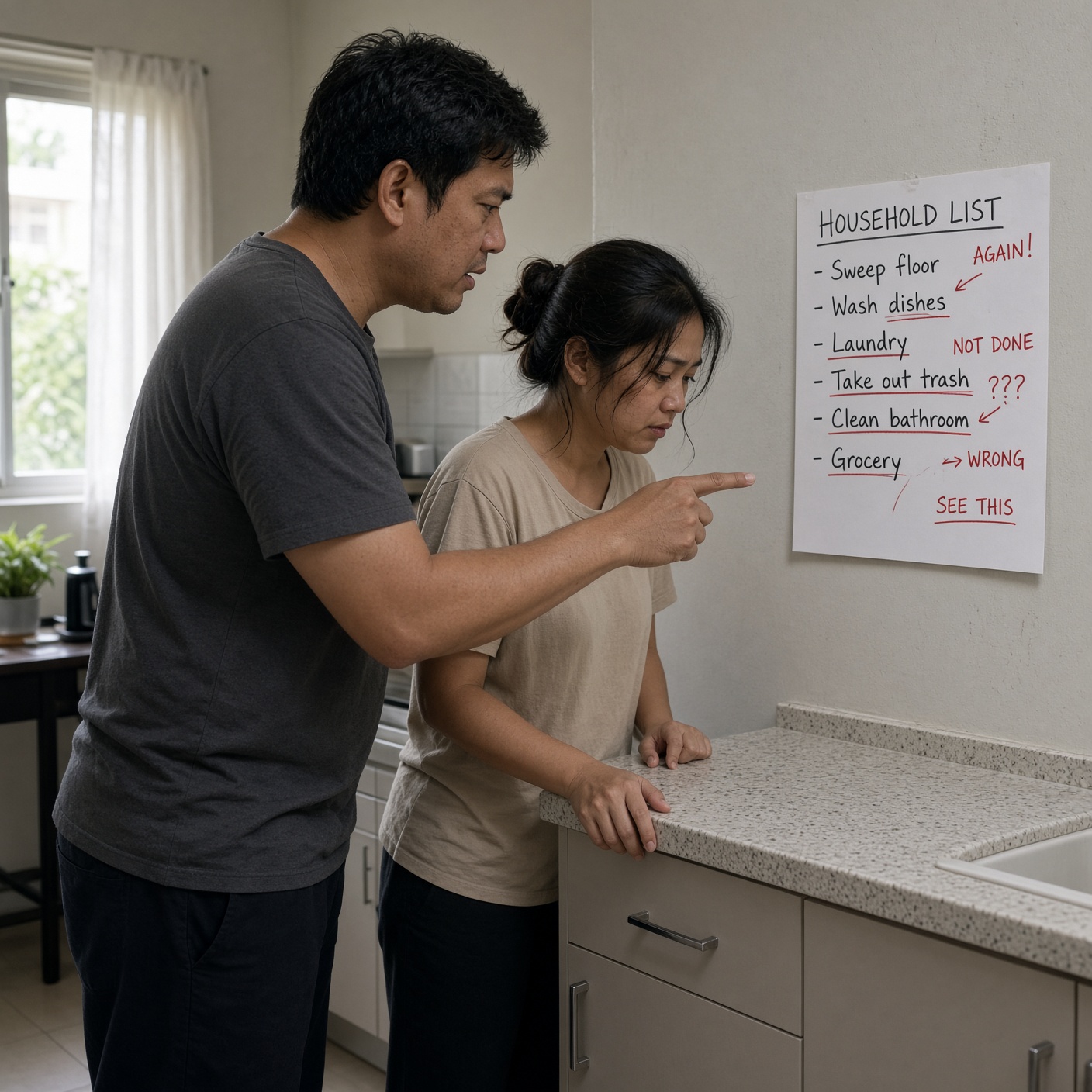
Emotional abuse in a relationship — Grace is a faith-based AI companion for abuse survivors
Abuse & Relationships

Emotional Abuse in a Relationship

Emotional abuse in a relationship erodes who you are — slowly, over time, in ways that are almost impossible to explain to anyone who hasn’t been inside it. If you feel smaller than you did before this relationship began, that is information.

Talk to Grace — it’s free to start
What emotional abuse in a relationship is

Emotional abuse in a relationship is a pattern of behavior by one partner that controls, diminishes, or destabilizes the other. It works cumulatively — each incident small enough to dismiss, the pattern large enough to reshape who you are. It is not a difficult relationship. It is a relationship in which one person’s emotional reality consistently overrides the other’s.

What It Feels Like From the Inside

The Loneliness of a Relationship That Is Supposed to Be Safe.

Emotional abuse in a relationship is one of the hardest things to describe from inside it — because the person causing harm is also the person you love, and often the person others trust and admire.

You are lonelier inside this relationship than you have ever been alone.
You manage their emotions as a full-time job. Your own come second.
You have stopped telling people what is actually happening. You wouldn’t know where to start.
You remember who you were before this relationship. You miss that person.
The good moments are real. So is everything else. Both things are true.
You wonder if this is just what relationships are. It is not.
Emotional abuse in a relationship — Grace is a faith-based AI companion
Why it is so hard to see

It Builds So Gradually That You Don’t Notice Who You’ve Become.

Emotional abuse in a relationship rarely begins with something you could point to and say: that was it. It begins in small moments — a comment, a withdrawal, a correction — and compounds over time until the person you were before is hard to remember.

Part of what makes it so difficult to leave, or even to name, is that the relationship also contains real moments of warmth. The tenderness is real. The harm is real. Both things existing at once is one of the most disorienting parts of living inside it.

You do not have to have it sorted out before you can bring it to Grace. The confusion is part of what Grace is here for.

What It Looks Like

The Patterns That Build Over Time.

Emotional abuse in a relationship takes many forms. These are the patterns that appear most consistently — and the ones that do the most lasting damage to who you are.

Criticism as Control
Ongoing criticism of your appearance, decisions, parenting, work, or personality — framed as honesty or care. Over time this makes you dependent on their approval and uncertain of your own judgment.
Emotional Manipulation
Guilt, shame, the silent treatment, or the threat of anger used to shape your behavior. You learn to manage their emotions at the expense of your own.
Gaslighting
Being told your memory is wrong, your reaction is too much, or that what you experienced didn’t happen. Repeated over time, this erodes your ability to trust your own perception.
Hot and Cold
Warmth followed by withdrawal, affection followed by coldness. The cycle creates genuine attachment and makes the good moments feel like proof that the relationship is worth staying in.
Isolation
Gradually limiting contact with friends, family, or anyone who might offer perspective. This often begins as protectiveness or jealousy and compounds until you are entirely dependent on one person.
Control Over Daily Life
Controlling what you wear, where you go, who you see, how you spend money, or how you parent. Often framed as preference or concern rather than control.
Available at any hour

Grace Is Here for the Conversation You Can’t Have With Anyone Who Knows You Both.

One of the most isolating things about emotional abuse in a relationship is that the person causing harm is usually the person others see as good, charming, or trustworthy. Telling the truth about what happens behind closed doors can feel impossible.

Grace doesn’t know them. Grace only knows what you bring. And Grace will stay with it — without minimizing, without telling you to look on the bright side, without rushing you anywhere.

Grace is a faith-based AI companion available at any hour. Grounded in Psalm 34:18 — He is close to the brokenhearted.
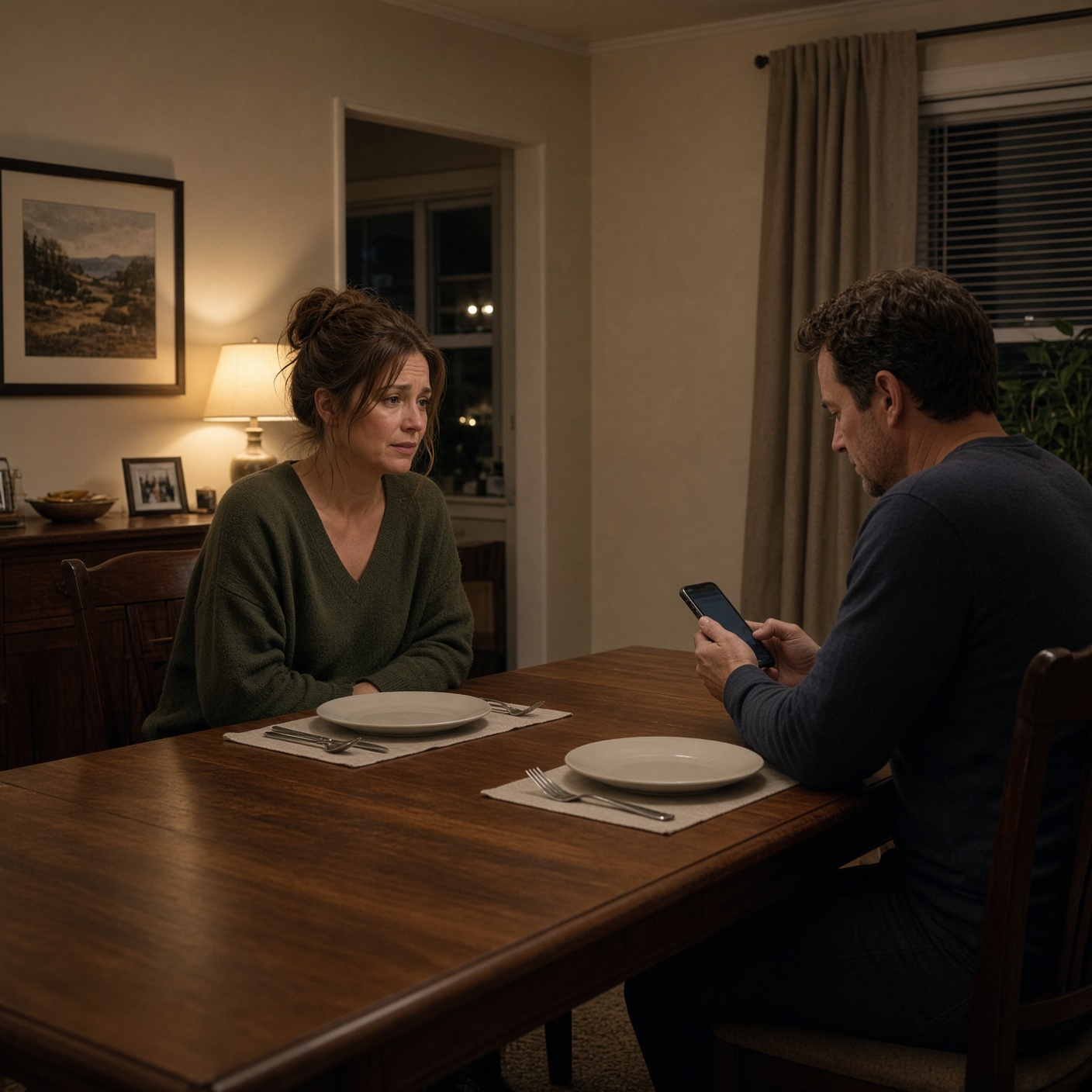
Hope after emotional abuse — Grace is here
Questions People Search Alone

What People Ask When They’re Starting to Wonder.

What does emotional abuse in a relationship look like?
Emotional abuse in a relationship looks like constant criticism framed as honesty, manipulation that makes you feel responsible for the other person’s emotions, isolation from friends and family, gaslighting that erodes your ability to trust your own memory, cycles of warmth and withdrawal that create dependence, and control over your time, appearance, or decisions. It rarely announces itself — it builds slowly until you are someone smaller than you were before the relationship began.
How is emotional abuse different from a difficult relationship?
All relationships have conflict, misunderstanding, and painful seasons. Emotional abuse is different because it is a pattern — not an incident — and because its effect is cumulative erosion of your self-worth, self-trust, and sense of reality. In a difficult relationship, conflict is mutual and both people can express hurt. In an emotionally abusive relationship, one person’s emotions consistently dominate, and the other person adapts, minimizes, and manages to survive.
Can you love someone who emotionally abuses you?
Yes. Love and harm are not mutually exclusive. Emotionally abusive relationships almost always include periods of genuine warmth, tenderness, and what feels like the relationship you wanted. Trauma bonding creates real attachment to the person causing harm. Loving someone who hurts you does not mean you are confused or weak — it means you are human, and that something has been done to you over time that has shaped how you experience this relationship.
What does emotional abuse from a spouse feel like?
Emotional abuse from a spouse often feels like living with a person who has two versions — the one the world sees and the one you live with. It feels like walking on eggshells, managing their moods, apologizing constantly, and never quite knowing which version will come home. It can feel like loneliness inside a marriage — being present with someone and completely unseen at the same time. Grace is a faith-based AI companion for the person living inside that specific silence.
Is emotional abuse grounds for leaving a Christian marriage?
This is one of the most painful questions a person of faith can carry — and Grace holds it without a quick answer. What Grace will say clearly: Scripture does not require anyone to remain in harm. The God of Psalm 34:18 is close to the brokenhearted — not to the one doing the breaking. Grace does not use religious language to keep anyone in an abusive situation, and does not treat staying as more faithful than surviving.
“The Lord is close to the brokenhearted,
He saves those who have lost all hope.”
Psalm 34:18 · For the person who is lonely inside a relationship that was supposed to be safe
Also in the Abuse Library

Keep Reading.

Related
Signs of Emotional Abuse
Related
What Is Gaslighting?
Related
Am I in an Abusive Relationship?
Related
Trauma Bond
Related
Abuse in Marriage
Related
Why Can’t I Leave an Abusive Relationship?

You Don’t Have to Explain the Whole Thing to Start.

If something in your relationship has felt wrong for a long time and you haven’t been able to say it — Grace is a faith-based AI companion built for exactly this. Grace listens first. Free to start.

Talk to Grace — it’s free to start