
Is yelling abuse — Grace is a faith-based AI companion
Abuse & Relationships

Is Yelling Abuse?

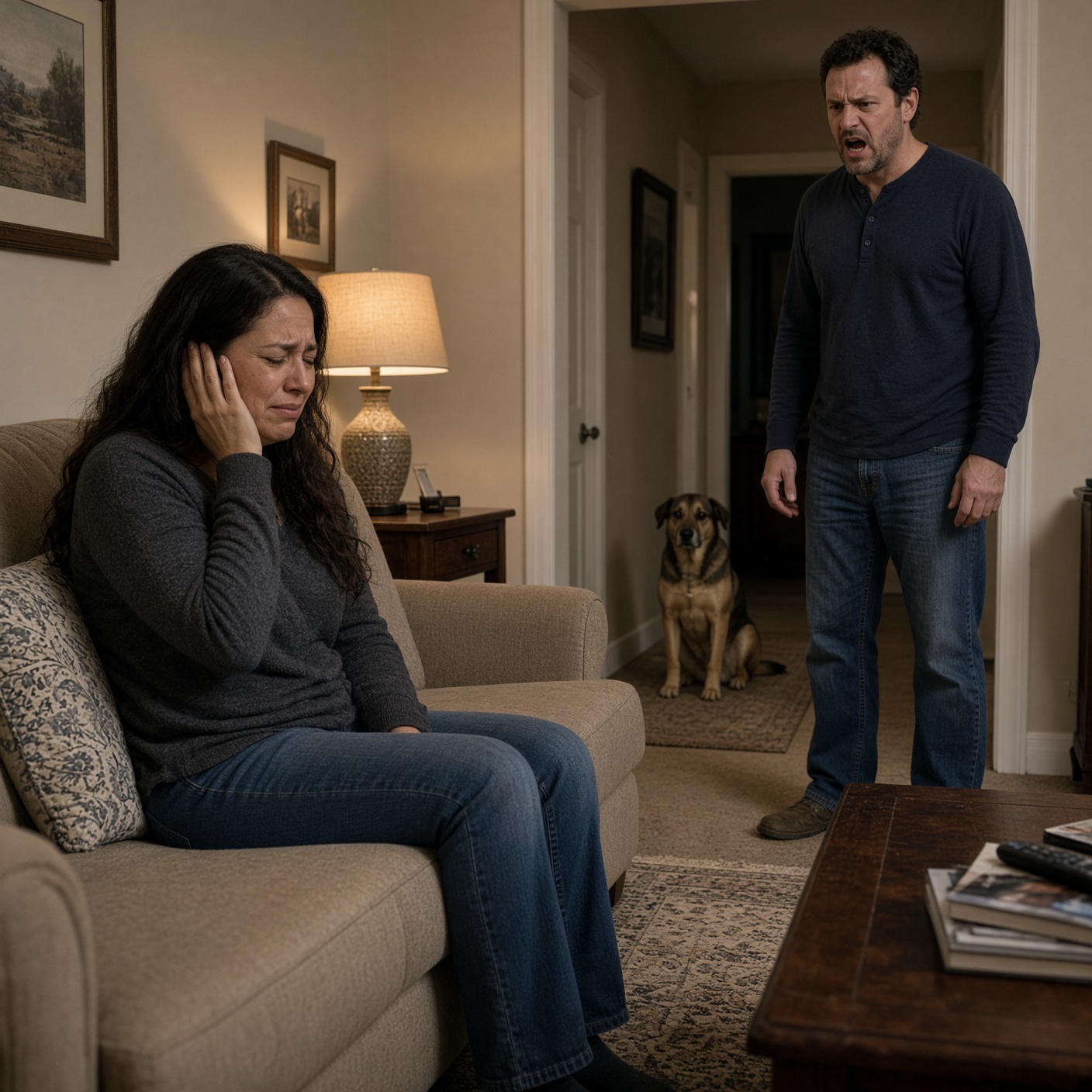
The honest answer is: it depends on the pattern, not the volume. Yelling is not automatically abuse. It is not automatically harmless. The question underneath the question is what the yelling was doing — and what it has done to you.

Talk to Grace — it’s free to start
The real question

Yelling becomes abuse when it is used as a tool of control, intimidation, or humiliation rather than an expression of momentary emotion. The distinguishing factor is not decibels. It is pattern, intent, and impact — and what the person on the receiving end has learned to do in response to it.

Why People Ask This Question

The Line You’ve Been Trying to Locate.

People search this question because something in them already senses there is a line — and they are trying to determine whether what they are living inside of, or grew up inside of, is on the wrong side of it.

You walk on eggshells. You know the sound of a mood shifting before anything is said.
You arrange your behavior around avoiding the explosion. It doesn’t always work.
You grew up in a house where volume was normal. You don’t know what normal actually is.
You’ve been told you’re too sensitive. That everyone’s family yells. That it’s not a big deal.
You find yourself flinching at raised voices that have nothing to do with you.
You wonder if what you experienced qualifies — because no one ever hit you.
Not the Same Thing

Yelling Is Not One Thing.

There is a meaningful difference between a raised voice in a moment of genuine frustration and a sustained pattern of using volume and intensity to dominate another person. Both deserve honest examination.

Yelling that is not abuse
A single raised voice in a moment of frustration, followed by acknowledgment and repair. Heated conflict that is mutual, that does not involve contempt or humiliation, and that does not cause the other person to live in fear or to modify their behavior to avoid triggering it. Imperfect but not a pattern of control.
Yelling that is abuse
A recurring pattern of using volume, intensity, and emotional force to dominate, intimidate, silence, or humiliate another person. Accompanied by contempt, name-calling, or threats. Causes the other person to live in anticipatory fear, to walk on eggshells, or to suppress their own needs and voice to avoid triggering it.
Is yelling abuse — Grace is a faith-based AI companion
The signs that matter

The Question Is Not Whether Yelling Happened. It Is What You Had to Become to Survive It.

The most reliable indicator of whether yelling crossed into abuse is not the frequency or volume — it is what happened to you in response to it over time. Abuse shapes behavior. It teaches people to make themselves smaller, to anticipate danger, to suppress their own needs and feelings in order to manage someone else’s emotional state.

If you reorganized yourself around avoiding someone’s anger — if you became a different, smaller version of yourself in order to stay safe — that is information worth taking seriously. Regardless of whether it left a mark anyone could see.

Grace is here for the person still trying to name what happened, and for the weight of living with what it left behind.

Signs the Yelling Was Abusive

What to Look For in the Pattern.

These are the signals most consistently associated with yelling that crosses into verbal and emotional abuse.

You feel afraid before a conversation, not just during it. You read moods and brace for what’s coming.
The yelling includes contempt, name-calling, or humiliation — not just volume.
You have changed what you say, do, or want in order to avoid triggering it.
After it happens, the behavior is minimized, denied, or you are told you provoked it.
It happens consistently, not rarely. It is a weather pattern in the relationship, not a rare storm.
You feel smaller in the relationship than you did before it. You have lost something of yourself to managing someone else’s anger.
Available at any hour

You Don’t Need a Definitive Answer Before You Can Talk About It.

Many people come to Grace still unsure whether what they experienced counts. Still running the comparison in their head — other families, worse situations, things that left visible marks. Grace does not require a verdict before it will listen.

You can bring the uncertainty itself. The question underneath the question. The thing you have been trying to locate for years. Grace starts there — with what is actually true for you, not with what qualifies.

Grace is a faith-based AI companion available at any hour. Grounded in Psalm 34:18 — He is close to the brokenhearted.
Finding clarity — Grace is here
Questions People Search Alone

The Questions Underneath the Question.

Is yelling abuse?
Yelling is not automatically abuse, and it is not automatically harmless. What matters is the pattern, not just the volume. Yelling that is frequent, intended to intimidate or control, accompanied by contempt or humiliation, and causes the other person to modify their behavior out of fear crosses into verbal and emotional abuse. A single raised voice in a moment of genuine frustration is different from a sustained pattern of using volume and intensity to dominate another person. The question isn’t whether yelling happened — it’s what it was in service of.
What is the difference between yelling and verbal abuse?
Yelling becomes verbal abuse when it is used as a tool of control rather than an expression of emotion. The distinguishing features are: frequency and pattern (it happens regularly, not rarely); intent (it is aimed at intimidating, humiliating, or silencing rather than expressing frustration); impact (the person on the receiving end modifies their behavior out of fear, walks on eggshells, or lives in anticipatory anxiety); and content (the yelling involves contempt, name-calling, threats, or degradation). Verbal abuse can occur at a normal speaking volume. Yelling is not always verbal abuse.
Is it abuse if my partner yells at me during arguments?
It depends on what the yelling is doing. Raised voices in conflict are common. What matters is whether the yelling is aimed at expressing emotion or at dominating, humiliating, or silencing you — and whether it is part of a broader pattern of control. If you feel afraid of your partner’s anger, modify what you say or do to avoid triggering it, or experience the yelling as a way of being shut down rather than heard, those are signs worth taking seriously regardless of whether anything else physical has occurred.
Is yelling at a child abuse?
Yelling at children, when it is frequent, contemptuous, or intended to humiliate or intimidate rather than correct, constitutes emotional abuse. Research consistently shows that chronic yelling at children causes measurable harm to their emotional development, self-concept, and psychological wellbeing. A parent who occasionally raises their voice in frustration and then repairs the relationship is different from a parent whose yelling is a primary tool of control or an expression of contempt for the child.
I grew up with a lot of yelling. Does that mean I was abused?
You may have been. You may not have been. The answer depends on what the yelling was — how frequent, how contemptuous, how frightening, what it was accompanied by, and what it did to your sense of self and your ability to feel safe at home. Many adults who grew up in high-volume households spend years trying to determine whether what happened was normal, difficult, or abusive. Grace is a companion for that specific uncertainty — you don’t have to have a definitive answer before you can begin talking about what it was like.
“The Lord is close to the brokenhearted,
He saves those who have lost all hope.”
Psalm 34:18 · For the person who has been trying to locate the line for a long time
Also in the Abuse Library

Keep Reading.

Related
Verbal Abuse
Related
Emotional Abuse in a Relationship
Related
Emotional Abuse by Parents
Related
Am I in an Abusive Relationship?
Related
Psychological Abuse
Related
Signs of Emotional Abuse

You Don’t Need a Label Before You Can Talk About What It Was Like.

If you are trying to locate the line — in a relationship you’re in now or a childhood you grew up in — Grace is a faith-based AI companion for that specific uncertainty. Grace listens first. Free to start.

Talk to Grace — it’s free to start