
Verbal abuse — Grace is a faith-based AI companion for abuse survivors
Abuse & Relationships

Verbal Abuse

Verbal abuse is not just words. It is a pattern of harm delivered through language — and it causes real, lasting damage to the person on the receiving end. If the words used against you are still playing in your head, that is not sensitivity. That is injury.

Talk to Grace — it’s free to start
What verbal abuse is

Verbal abuse is a pattern of behavior in which one person uses words — or deliberate silence — to control, demean, intimidate, or harm another. It is not defined by volume. It can be delivered quietly, with surgical precision, and still cause profound damage. It happens in relationships of all kinds and is not limited to any gender — anyone can be the target, and anyone can be the source.

What It Feels Like From the Inside

The Words Don’t Stay in the Moment. They Follow You.

Verbal abuse leaves no visible mark. That is part of what makes it so difficult to name — and part of what makes the damage so lasting. These are the moments that bring people here.

You hear their voice in your head long after the conversation ended.
You were told it was a joke. You were told you were too sensitive. You stopped trusting your own reaction.
You have been called things that you have started to believe about yourself.
The silence is sometimes worse than the words. You never know which one is coming.
You manage what you say, how you say it, when you speak — all to avoid what happens when you get it wrong.
No one else sees it. You have almost stopped believing it yourself.
Verbal abuse — Grace is a faith-based AI companion
Why it is so hard to name

“It Was Just Words” Is the Most Effective Defense Verbal Abuse Has.

Verbal abuse is uniquely difficult to name because there is nothing to point to. No mark, no record, often no witnesses. The person who was harmed is left holding the weight of something invisible — and frequently being told that their reaction to it is the problem.

Verbal abuse also happens in both directions. Men are verbally abused by partners. Children are verbally abused by parents. The absence of a culturally recognized narrative does not make the harm less real.

What was said to you matters. Grace will not minimize it or ask you to prove it happened.

What Verbal Abuse Looks Like

The Patterns That Do the Most Damage.

Verbal abuse takes many forms. It is rarely one thing. It is usually a combination of patterns that compound over time.

Name-Calling
Direct insults, degrading labels, and language designed to make someone feel worthless. Often framed as honesty, humor, or just venting — none of which makes it acceptable.
Constant Criticism
Ongoing negative evaluation of who you are, what you do, how you look, how you parent, how you think. The goal is to make you feel permanently inadequate and dependent on their approval.
Yelling and Screaming
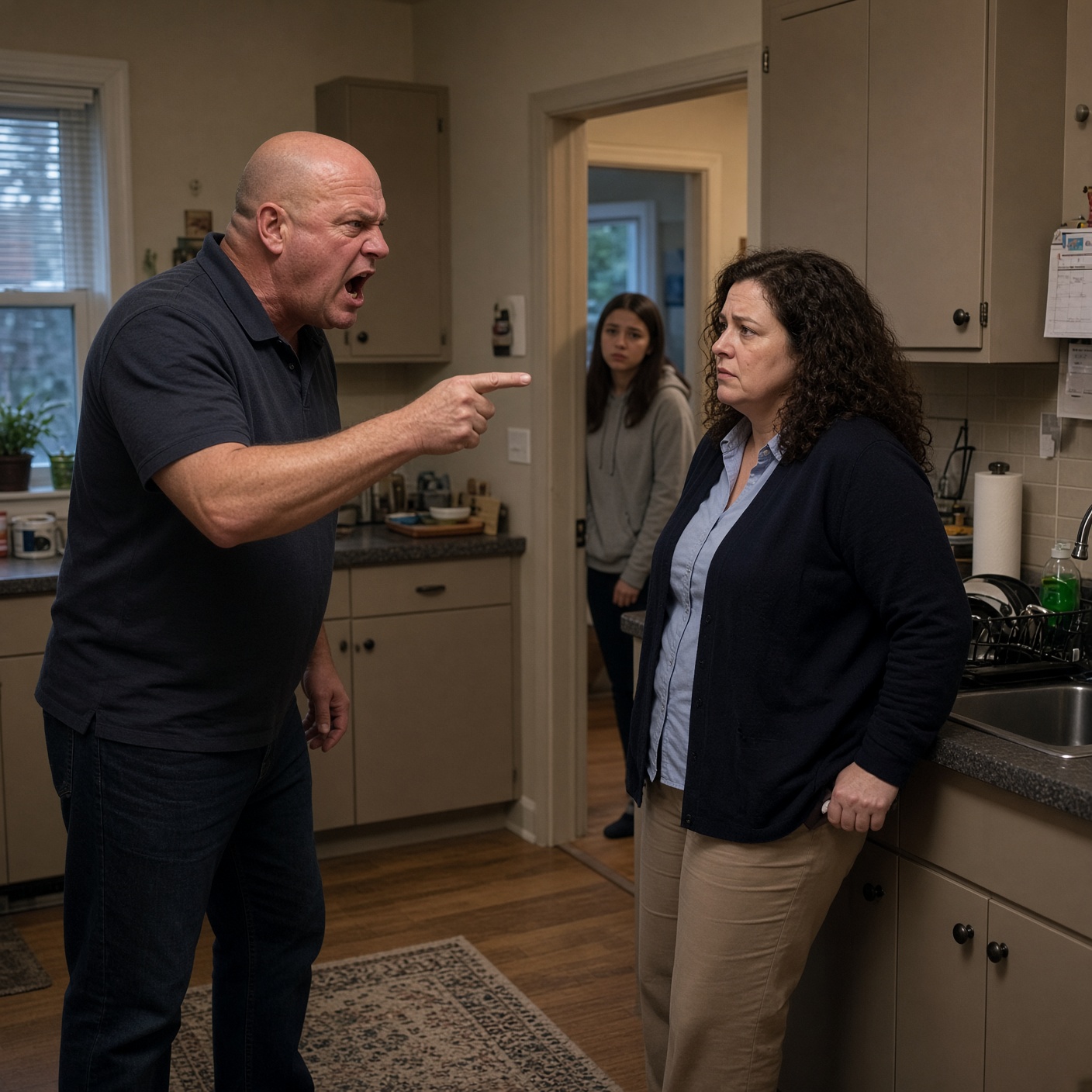
Using volume and intensity to intimidate, overwhelm, or silence. Even when no specific insult is delivered, yelling as a pattern creates fear and erodes the sense of safety in the relationship.
Threats
Direct or implied threats — about leaving, about consequences, about what will happen if you do or don’t comply. Threats don’t have to be physical to create a climate of fear.
Dismissing and Minimizing
“You’re too sensitive.” “That’s not what happened.” “You’re overreacting.” Systematically invalidating your feelings until you stop trusting them.
Weaponized Silence
Withholding communication as punishment. Silent treatment used to control, punish, or signal displeasure. The absence of words can be as harmful as the words themselves.
Available at any hour

Grace Will Not Tell You That You’re Too Sensitive.

One of the most consistent effects of verbal abuse is the gradual loss of confidence in your own perception. You were told your reaction was wrong often enough that you started to believe it. That is not a personality trait. That is what prolonged verbal abuse does.

Grace starts with what you bring — the specific words, the specific moments, the voice you still hear — and stays there. Without minimizing, without suggesting you misunderstood, without moving past it before you are ready.

Grace is a faith-based AI companion available at any hour. Grounded in Psalm 34:18 — He is close to the brokenhearted.
Recovery from verbal abuse — Grace is here
Questions People Search Alone

What People Ask When They’re Trying to Name It.

What is verbal abuse?
Verbal abuse is a pattern of behavior in which one person uses words — or silence — to control, demean, intimidate, or harm another. It includes name-calling, yelling, constant criticism, humiliation, threats, and the use of language to make someone feel worthless, afraid, or at fault. Verbal abuse is not defined by volume — it can be delivered quietly and still cause deep and lasting harm. It happens in relationships of all kinds and is not limited to any gender.
Is verbal abuse as serious as physical abuse?
Yes. Research consistently shows that verbal abuse causes significant and lasting psychological harm — to self-worth, to the ability to trust, to mental health, and to physical health over time. The phrase “just words” minimizes something that is not minimal. Words used as weapons over time shape how a person understands themselves and what they believe they deserve. The damage is real regardless of whether it leaves a visible mark.
Can women be verbally abusive to men?
Yes. Verbal abuse is not limited to any gender. Women verbally abuse men, men verbally abuse women, and verbal abuse occurs in same-sex relationships, parent-child relationships, and other family dynamics. Men who are verbally abused by a partner often face additional barriers to naming what is happening — including cultural expectations that minimize male vulnerability and a lack of resources specifically designed for their experience. What happened to you is real regardless of who caused it.
What are examples of verbal abuse?
Examples of verbal abuse include name-calling and insults, yelling and screaming, constant criticism and humiliation, threats — direct or implied — public degradation, mocking, dismissing feelings as overreactions, blaming the other person for the abuser’s behavior, using silence as punishment, and making someone feel stupid, worthless, or at fault for things outside their control. Verbal abuse often escalates over time and may precede or accompany other forms of abuse.
Why do people stay in verbally abusive relationships?
People stay in verbally abusive relationships for many of the same reasons they stay in other forms of abusive relationships — love for the person in the calm periods, hope that it will change, trauma bonding, financial dependence, the erosion of self-worth that makes it harder to believe you deserve better, and the isolation that cuts off perspectives that might otherwise help you see the pattern clearly. Verbal abuse also often comes with gaslighting — being told that your reaction is the problem, not the words used against you.
“The Lord is close to the brokenhearted,
He saves those who have lost all hope.”
Psalm 34:18 · For the person still hearing words that were never theirs to carry
Also in the Abuse Library

Keep Reading.

Related
Signs of Emotional Abuse
Related
Psychological Abuse
Related
What Is Gaslighting?
Related
Is Yelling Abuse?
Related
Emotional Abuse in a Relationship
Related
Am I in an Abusive Relationship?

What Was Said to You Matters. Grace Will Not Tell You Otherwise.

If you are carrying words that were used against you — Grace is a faith-based AI companion built to start exactly there. Grace listens first. Free to start.

Talk to Grace — it’s free to start